Boat Image and Practical Insights for Owners and Enthusiasts
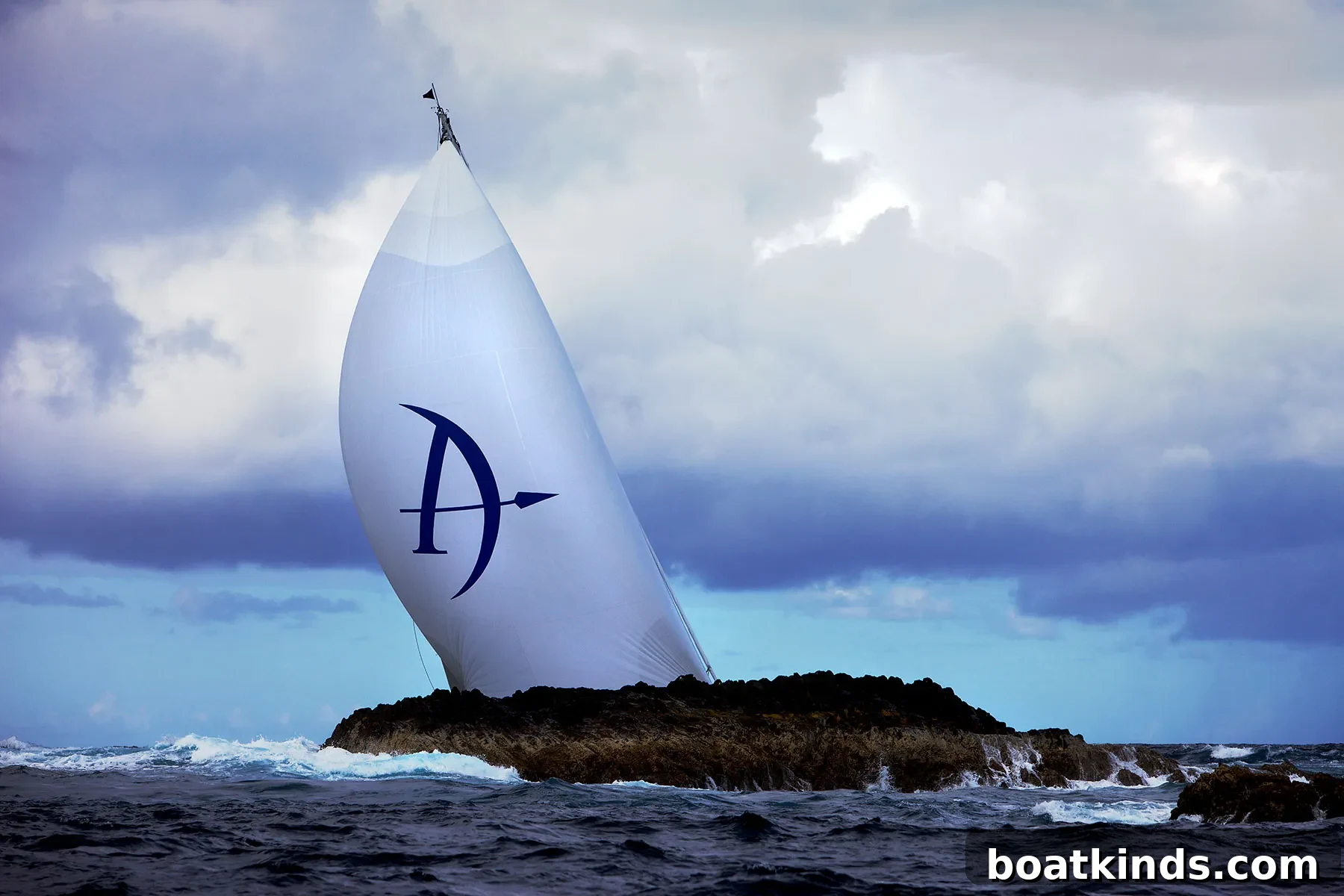
About This Image
This image serves as a visual starting point for a broader conversation about boating. Whether you are a new boat owner, an experienced captain, or simply someone who enjoys maritime photography, the photograph invites reflection on craft care, water safety, and how to capture meaningful moments on the water. The details visible in any boat photograph — composition, light, and condition — can prompt useful reminders about maintenance, preparedness, and aesthetics.
Maintenance and Care Tips
Regular maintenance keeps a boat safe, reliable, and enjoyable for years. Simple, consistent routines make a big difference: wash the hull and deck after each outing to remove salt and grime; inspect the hull for scratches, cracks, or blisters; check all fluid levels, fuel lines, and hoses; and service the engine according to manufacturer recommendations. Keep an up-to-date checklist for seasonal tasks such as winterization, battery storage, and antifouling treatments. A well-documented maintenance history not only preserves value but also improves safety and reduces the risk of unexpected breakdowns.
Safety Essentials
Safety is the foundation of every successful trip on the water. Ensure life jackets are available for every passenger and that they fit properly. Carry required safety equipment such as a VHF radio or other reliable means of communication, flares or signaling devices, a first aid kit, and a throwable flotation device. Check weather forecasts before departure and have contingency plans for changing conditions. Brief passengers on safety protocols, including where to find safety gear and how to behave during rough conditions or emergencies. Regularly practice emergency drills so everyone aboard knows what to do when seconds matter.
Practical Preparation Before Departure
A short pre-departure routine saves time and reduces stress. Verify fuel and oil levels, confirm navigation lights function, and test bilge pumps. Secure loose items and stow gear so it won’t move in rough water. File a float plan with a trusted contact, including your expected route and return time. If navigating unfamiliar waters, consult up-to-date charts and local notices to mariners. Simple preparations often prevent the most common mishaps and ensure a smoother outing.
Tips for Better Boating Photography
Boating photography marries technical considerations with timing and composition. Shoot during golden hours — early morning or late afternoon — for softer light and richer colors. Stabilize your camera or phone and use a fast shutter speed to freeze motion when needed. Capture details as well as wide scenes: rigging, helm instruments, and reflections on the water tell stories complementary to broad seascapes. Protect gear with waterproof cases or bags, and consider backup power and storage for longer trips. Thoughtful framing and attention to light will transform a casual snapshot into an evocative image.
Environmental Responsibility
Respecting the marine environment preserves ecosystems and enhances future boating experiences. Minimize wake near shorelines, dispose of waste responsibly, and avoid disturbing wildlife. Use eco-friendly cleaning products and follow local guidelines for fuel handling and bilge discharge. Small choices made consistently help maintain clean water and healthy habitats for all who enjoy the water.
Getting More Out of Every Trip
Every outing can be an opportunity to learn and enjoy. Rotate responsibilities among crew members to build skills, experiment with new routes, and schedule regular short trips to maintain familiarity with your vessel. Join local clubs or communities to exchange knowledge and discover new places. Whether you aim for relaxation, exploration, or sport, clear goals and good preparation will make each voyage more rewarding.