
Seriously salty reads
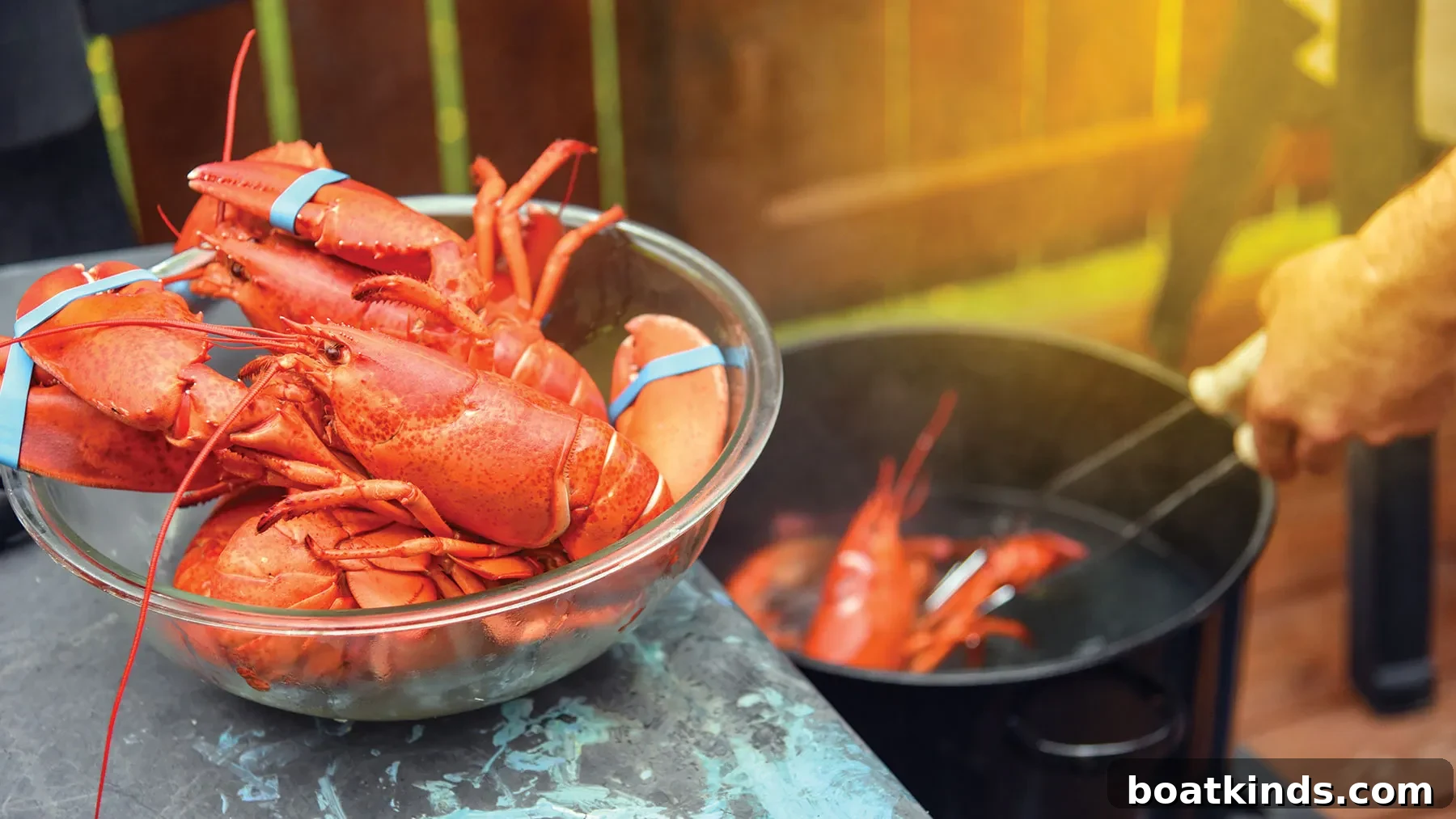
Bounty of the Sea
Seafood, like many perishable foods we buy regularly, often arrives at our tables with little thought given to its origin, the people who harvest it, or the systems that bring it from ocean to plate. Because many species are available year-round in markets and supermarkets, it’s easy to take them for granted. The books highlighted below restore that context: they introduce the fishers, processors, and communities who sustain American fisheries, and they illuminate the culture, ecology, and culinary traditions tied to the sea.
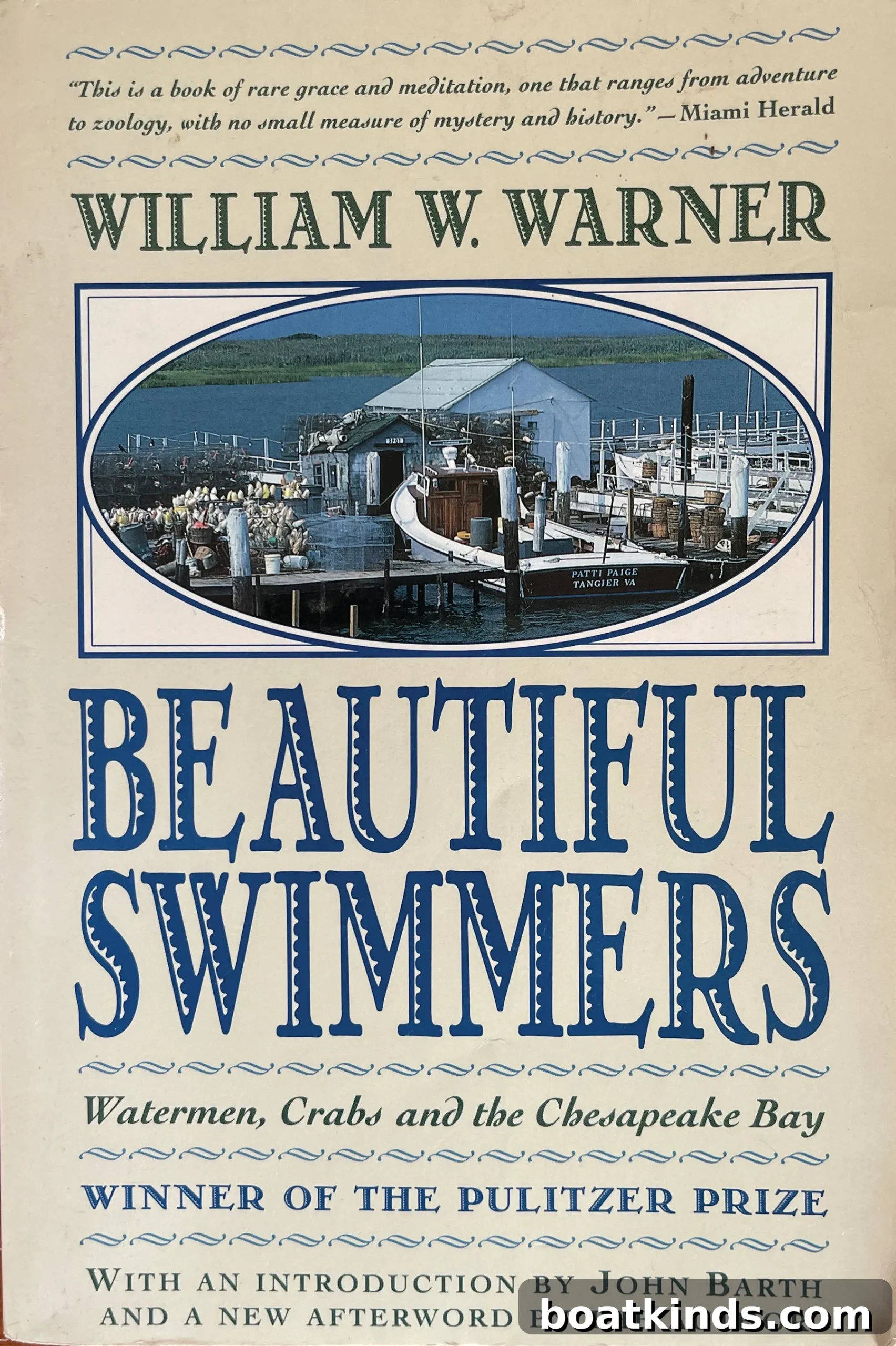
Beautiful Swimmers
Callinectes sapidus, the blue crab, is an armored crustacean known for its strong claws and distinctive, savory flavor. While blue crabs are found along the Atlantic and Gulf coasts, Chesapeake Bay is often regarded as the heart of the blue crab fishery. In Beautiful Swimmers, William Warner spent extended time among Chesapeake watermen, embedding himself in their daily routines and seasonal rhythms. His reporting captures both the colorful personalities of the people who work the bay—trot-liners, crab-potters, scrapers and dredgers—and the ecological life cycle of the crab itself. Warner’s observational prose blends natural history with memoir and social portrait, offering readers a lasting appreciation of place, craft, and the fragile balance between community and resource. Recommended for readers who enjoy narrative non-fiction about coastal life and fisheries. ($18, Back Bay Books)
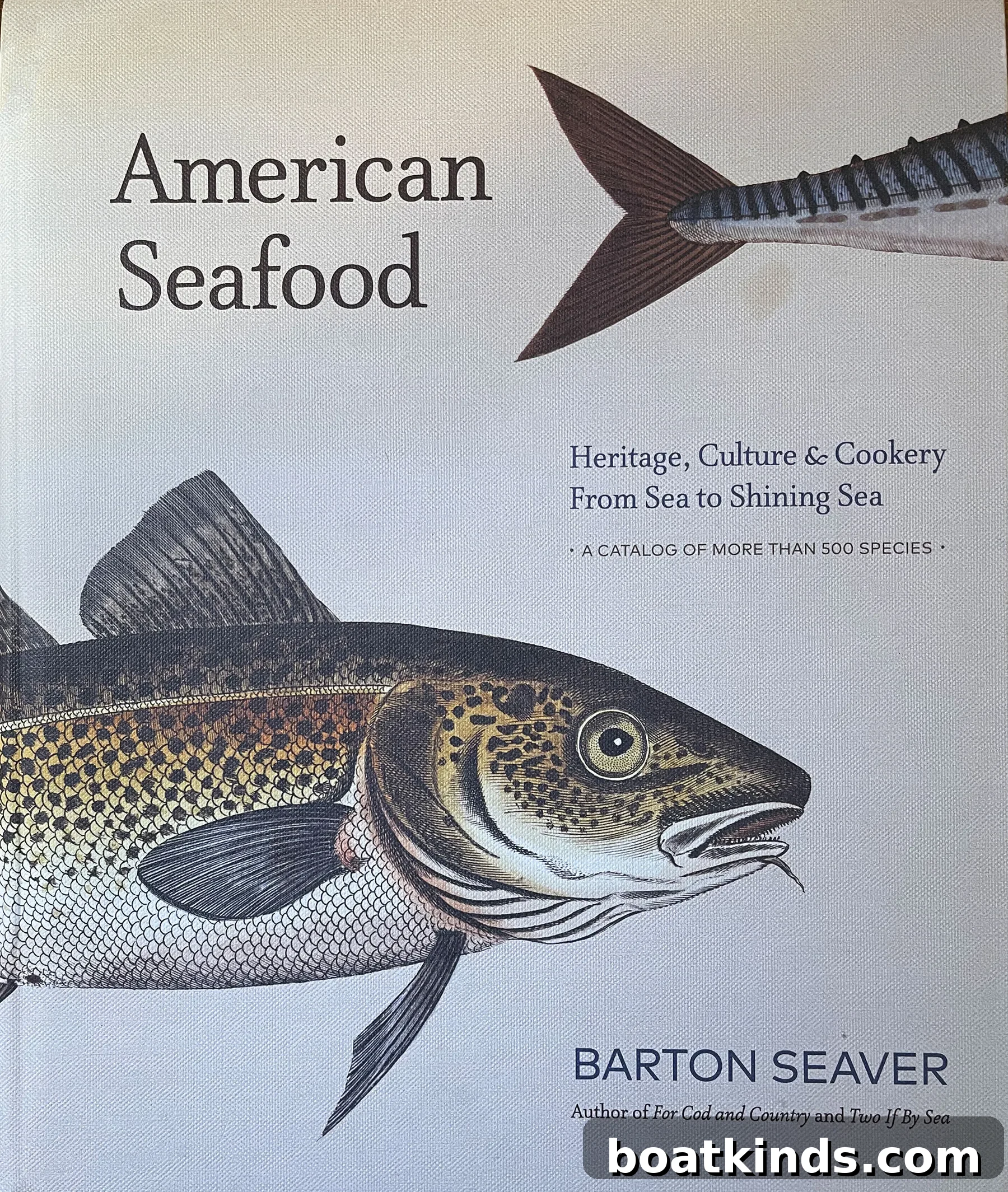
American Seafood
Barton Seaver’s American Seafood: Heritage, Culture & Cookery From Sea to Shining Sea is a comprehensive, richly illustrated celebration of the U.S. seafood tradition. As both a chef and an author, Seaver weaves culinary insight together with historical context and contemporary stories from fishers, processors, and coastal communities. The volume—more than 500 pages—pairs vibrant modern photography with archival images to trace the evolution of American fisheries and their place in national identity. Beyond narration, the book includes recipes that demonstrate how to prepare regional specialties using ingredients from American waters, from charbroiled oysters to hearty stews like cioppino. This is a visually appealing and informative resource for home cooks, food professionals, and anyone interested in the intersection of food culture and maritime heritage. ($50, Sterling Epicure)
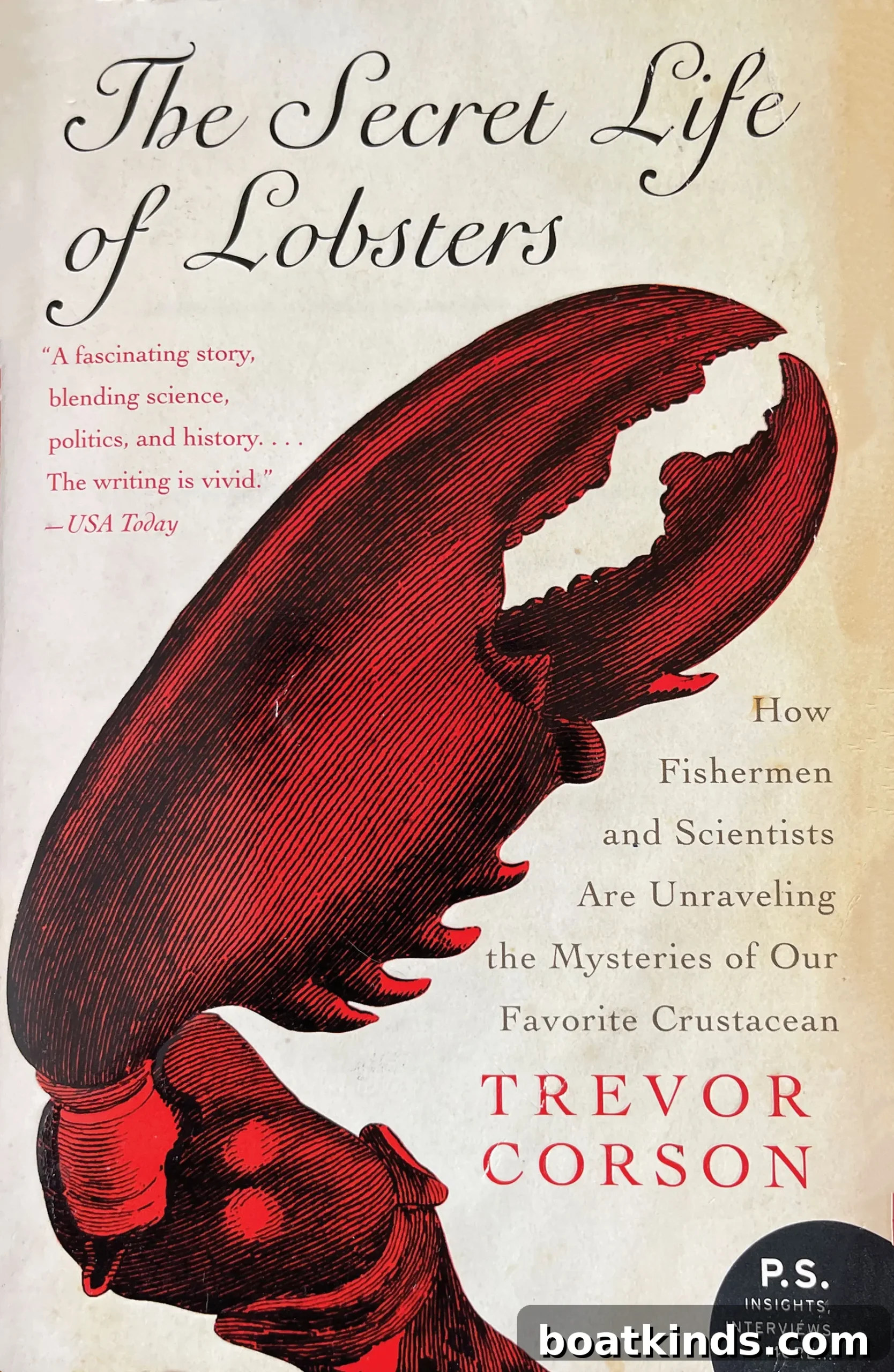
The Secret Lives of Lobsters
For many, lobsters are encountered as packaged meat or behind the glass tanks of a market. Trevor Corson’s The Secret Lives of Lobsters pulls readers beneath the surface—both literally and figuratively—by following scientists and lobstermen around the Cranberry Isles in the Gulf of Maine. Corson explores lobster behavior, habitat preferences, social interactions, reproductive habits, and the workings of the lobster fishery. The book balances accessible science with first-hand reporting, revealing surprising details—how lobsters shelter, how they interact and resolve conflicts, and how fishermen and researchers study and manage this economically important species. Corson also addresses ethical considerations that arise in handling and preparing lobsters, offering thoughtful context for readers who want to understand more about where their food comes from. ($15, Harper Perennial)
What we’re watching

I’ll Retire When I Die
Profiles of long-time fishers often highlight dedication and generational knowledge, and Virginia Oliver’s story exemplifies both. As reported in Soundings, Oliver—who began lobstering as a child—has spent nearly a century connected to the trade, working alongside family members at sea and maintaining a steady, exacting work ethic well into advanced age. Today she continues to set and haul traps with her son aboard the 30-foot lobster boat Virginia, keeping alive a family tradition and a way of life that ties community, livelihood and the ocean together. A recent television segment featured her candid response when asked about retirement: she quipped that she intends to work “until I die,” an answer that underlines the identity and commitment many fishers feel toward their craft.
If you want to learn more, read the full profile on our site or look for the accompanying television segment featured on national morning-program coverage.