
Ann Davison and Felicity Ann: The First Woman to Sail Solo Across the Atlantic
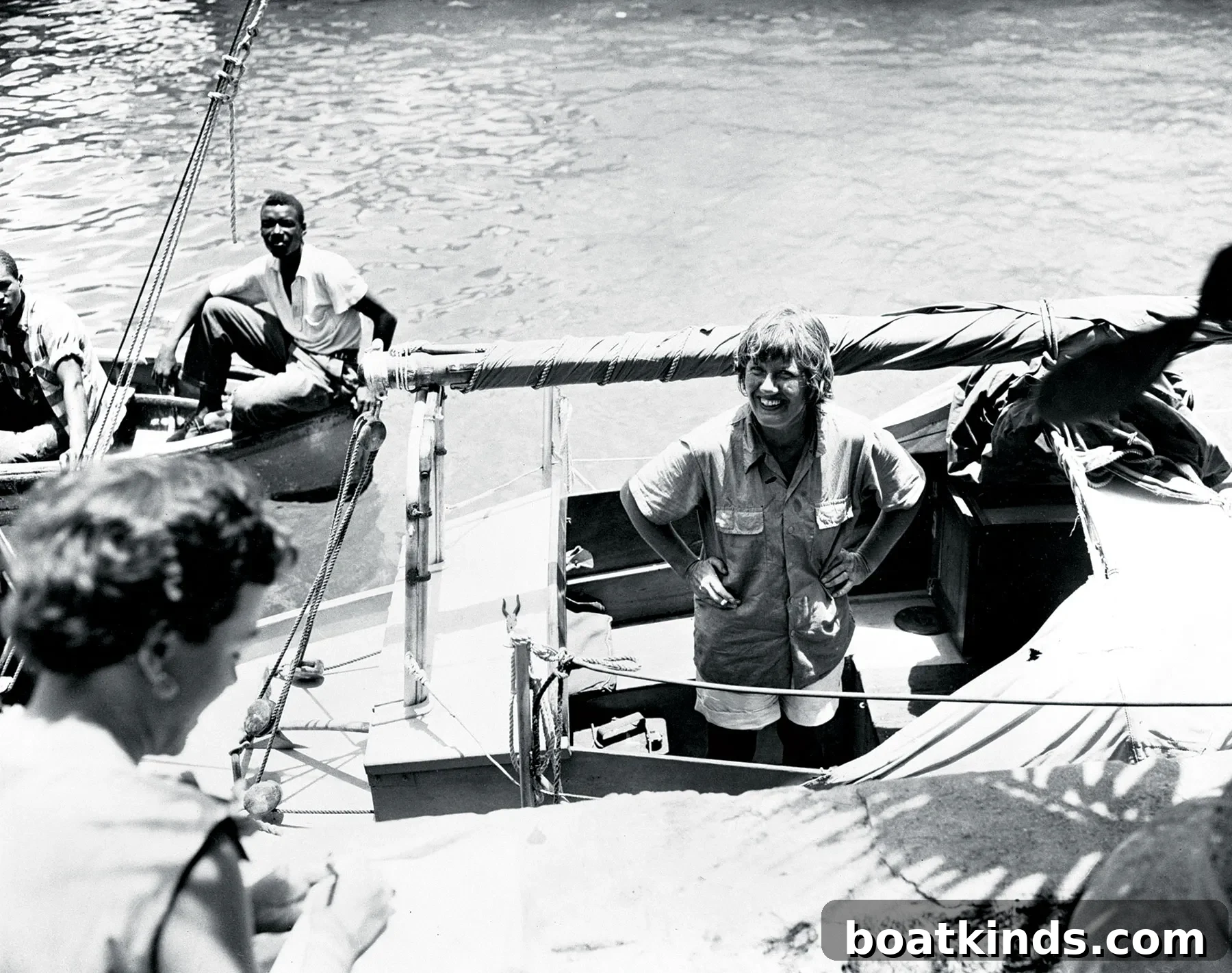
Ann Davison is remembered as one of the most resilient and pioneering sailors of the 20th century. A trailblazer in multiple fields, she was among the early female pilots in the 1930s and later turned to long-distance sailing after a devastating loss. Her life and voyages—most notably her solo Atlantic crossing in 1952 aboard the 23-foot cutter Felicity Ann—remain powerful examples of courage, skill, and determination.
From Tragedy to Determination
In the 1940s, Davison and her husband, a fellow pilot and experienced sailor, attempted a transatlantic voyage aboard their 70-foot ketch. A severe gale in the English Channel wrecked the vessel on the rocks; her husband drowned and Davison somehow reached shore alive. Rather than retreat from the sea after that tragedy, she embraced the adventurous spirit she and her husband had shared and resolved to continue sailing on her own terms.
The Solo Atlantic Crossing
Davison’s most famous voyage began in 1952 when she set off from Plymouth, England, on a 23-foot boat named Felicity Ann. At age 39, she sailed single-handed across the Atlantic, a voyage that took 65 days and tested her seafaring skills and resilience. During the passage she taught herself celestial navigation with a sextant, coped with near shortages of food and fresh water, and endured the physical and psychological challenges of a prolonged solo passage.
The journey carried her to the Caribbean, after which she continued north through the Bahamas. Davison then sailed up the East Coast of the United States, following the Intracoastal Waterway to the 1954 New York Boat Show. There she and Felicity Ann were featured, with a prominent sign proclaiming her achievement as “The first woman ever to sail alone across the Atlantic Ocean.” Photographs from that appearance show her smiling proudly beside the display.
Writing and Legacy
In 1956, Ann Davison published My Ship Is So Small, an account of her transatlantic crossing. The book has continued to attract readers who describe it as inspiring and remarkable. Davison’s narrative offers not only navigational detail and seafaring adventure but also a personal account of survival, grief, and renewal—elements that resonate with sailors and non-sailors alike.
Felicity Ann Restored
Felicity Ann herself has been preserved and restored to honor that historic voyage. The NorthWest School of Wooden Boatbuilding in Hadlock, Washington, worked with the Community Boat Project to repair and relaunch the boat. Local women led much of the restoration work by hand, and Felicity Ann was relaunched on May 1, 2018. The restoration effort aimed to celebrate maritime heritage and to inspire future generations—especially women and girls—to take to the water and pursue their own adventures.
Why Ann Davison Matters Today
Ann Davison’s story endures because it combines exceptional seamanship with an emotional journey from loss to self-reliance. She broke conventions in both aviation and sailing, learned advanced navigation techniques under pressure, and completed a solo transatlantic passage in a small vessel at a time when such feats were rarely accomplished by women. Her book and the continued preservation of Felicity Ann help keep her legacy alive, encouraging readers and sailors to respect the sea’s power while answering its call.
Originally published in the March 2022 issue.