
21 Fuel-Saving Tips for Boaters: Practical Ways to Cut Gas Costs
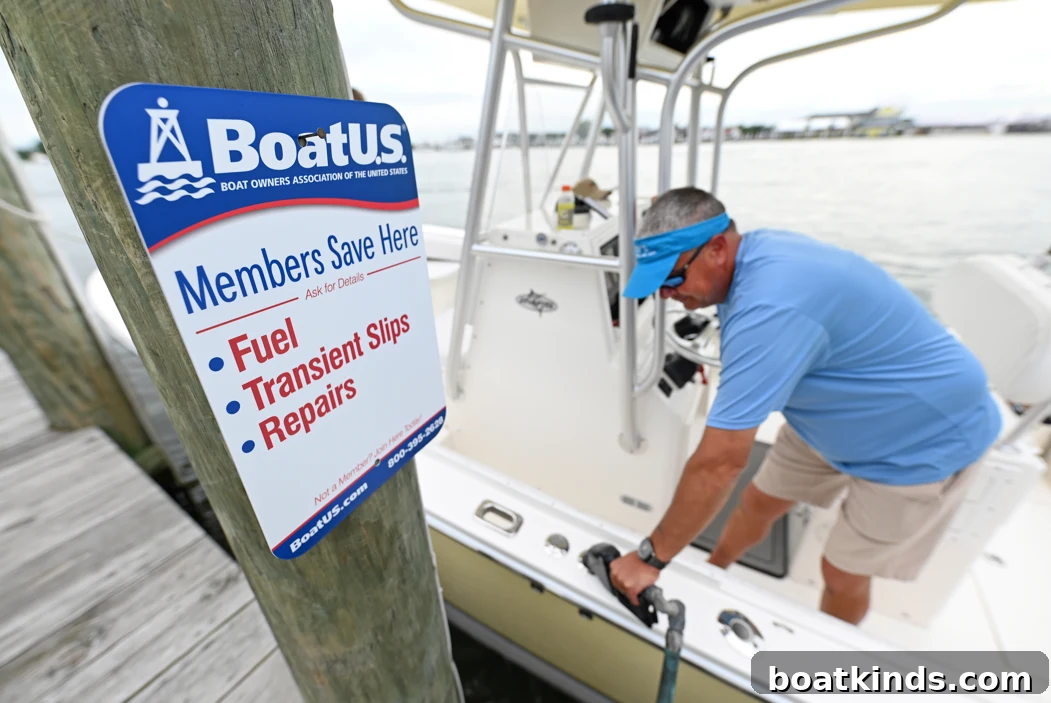
With fuel prices elevated, the Boat Owners Association of The United States (BoatU.S.) collected 21 fuel-saving tips to help boaters reduce fuel consumption and operating costs. Some suggestions are familiar, while others may be new ideas to consider. These tips cover actions you can take before leaving the dock, while preparing at the marina, and during time on the water.
Why fuel efficiency matters
Whether your motivation is saving money, extending range, or reducing environmental impact, improving a boat’s efficiency is worthwhile. Small changes in maintenance, loading, operation, and trip planning add up to significant savings over a season. Below are practical, widely recommended strategies that reflect the kinds of suggestions BoatU.S. highlights for smarter, more economical boating.
Before you launch: prepare and maintain
- Keep the engine well tuned: Regular servicing, proper spark plug condition, correct fuel/air mixture, and clean filters help engines run efficiently. Follow the manufacturer’s recommended maintenance schedule.
- Use the recommended fuel and oil: Using the grade and mix specified by the engine manufacturer maintains performance and avoids wasteful detuning or knock-related inefficiencies.
- Inspect and optimize the propeller: Proper pitch, diameter, and a prop free of dings or damage improve propulsion efficiency. A propeller that’s right for your load and usual speed range can reduce fuel use.
- Remove unnecessary weight: Clear out gear and items you don’t need for the trip. Lighter boats sit higher in the water and require less power to move.
- Check hull condition: A clean, smooth hull with a fresh coat of appropriate antifouling paint reduces drag. Regular cleaning removes growth that increases resistance.
- Balance and trim: Arrange gear and passengers to maintain a level trim. Excess bow-up or stern-down attitude increases drag and fuel consumption.
At the dock and fueling tips
- Shop for the best price: Compare marina prices locally or through apps before you head out. Buying smarter at the pump lowers your overall operating cost.
- Avoid topping off: Overfilling can spill fuel and waste money. Fill to the recommended level and close vents to avoid evaporation losses.
- Use good fueling practices: Keep the tank ventilated properly and use a fuel stabilizer when fuels will sit for long periods to avoid degradation that can harm performance.
- Consider fuel-sharing: When buddy boating, coordinating fuel stops or sharing rides for errands reduces individual trips and overall consumption.
On the water: operate efficiently
- Plan efficient routes: Chart shorter, sheltered routes that avoid excessive detours and strong head seas. Good planning reduces time motoring in inefficient conditions.
- Use the right speed: Many boats burn fuel disproportionately at high speeds. Find and cruise at the boat’s most economical speed — often below top speed — to maximize miles per gallon.
- Monitor trim and throttle: Small adjustments to trim tabs and engine trim can dramatically affect drag and fuel burn. Trim to plane efficiently and avoid excess throttling.
- Limit idle time: Turn off engines when safe and appropriate instead of idling excessively. Idling wastes fuel and produces emissions.
- Ride in calm water when possible: Avoid rough water or large wakes that force higher throttle and more fuel to maintain speed and stability.
- Use wind and tide: When feasible, take advantage of wind or favorable currents to reduce engine power and conserve fuel.
Smart habits and long-term choices
- Upgrade to more efficient gear: When replacing engines or drives, consider newer, more fuel-efficient models or alternative propulsion options that match your boating needs.
- Monitor fuel use: Keep a log of fuel purchases, trip distances, and observable fuel burn. Tracking trends helps you spot problems early and measure the impact of changes.
- Improve aerodynamics and runoff: Reduce drag from canvas, loose lines, or gear that catches wind. Secure covers and streamline the deck layout.
- Travel in groups: Buddy boating and ride-sharing cut the number of separate trips and can reduce per-boat fuel use for common destinations.
- Educate your crew: Teach passengers simple fuel-saving practices like mindful movement, even weight distribution, and minimizing on-board activities that require additional power.
- Consider professional advice: Marine surveyors, experienced mechanics, and naval architects can recommend hull, propulsion, and trim adjustments to maximize efficiency for your specific boat.
These measures range from maintenance and equipment choices to everyday operating habits. Taken together, they provide multiple ways to reduce fuel consumption without sacrificing safety or enjoyment. BoatU.S. compiled its full list of 21 tips to help boaters save money and operate more efficiently—use these approaches as a practical starting point to boat smarter, lower costs, and lessen environmental impact.