
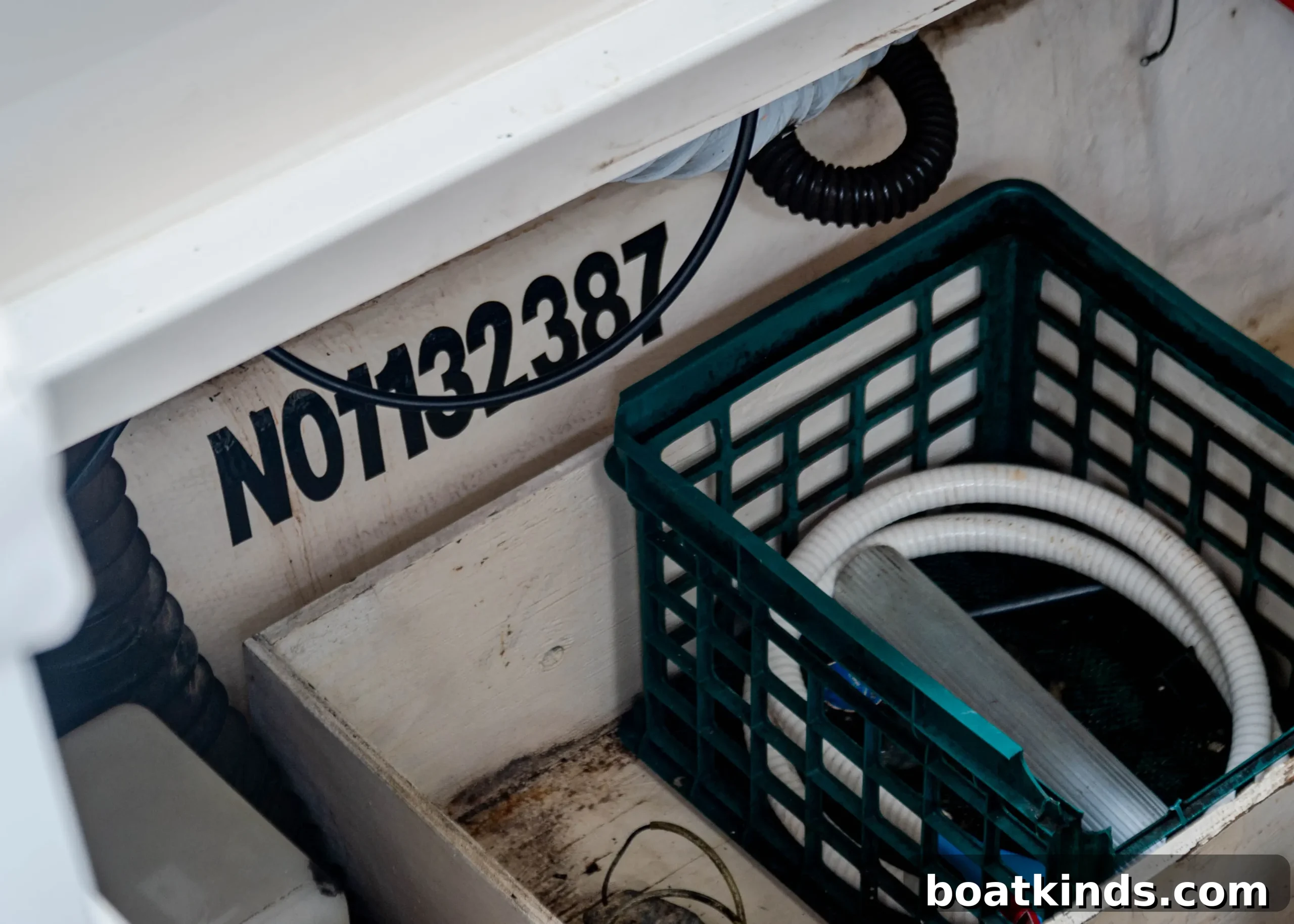
Beware of Third-Party Renewal Notices for USCG Certificate of Documentation
Boat Owners Association of The United States (BoatU.S.) is warning vessel owners to be cautious when they receive renewal notices in the mail that appear to be from the U.S. Coast Guard National Vessel Documentation Center (NVDC). While the Coast Guard does send official renewal reminders by U.S. mail, members have reported receiving letters from third-party companies that use names, logos or return addresses that closely resemble the official NVDC correspondence.
These third-party letters often direct recipients to websites that imitate the Coast Guard NVDC site but charge significantly higher fees for renewing a Certificate of Documentation. The advertisements and mailings can be misleading because they suggest an affiliation with the Coast Guard when, in fact, these companies have no endorsement or official relationship with the federal agency.
The U.S. Coast Guard issued a bulletin in 2017 to raise awareness of the problem, and BoatU.S. continues to advise boaters to verify the source of any renewal notice they receive. Third-party services can be legitimate—they may offer help with paperwork or provide convenience—but their services are optional and often more expensive than using the Coast Guard’s own renewal system.
How to Renew Your Certificate of Documentation with the Coast Guard
For the most reliable and usually least expensive renewal, use the official Coast Guard National Vessel Documentation Center website: https://www.uscg.mil/nvdc. On that site, click “Instructions and Forms” and then select “Certificate of Documentation Application for Renewal.” The Coast Guard’s fees for renewal typically range from $26 for a one-year renewal up to $130 for a five-year renewal, which is often far less than fees charged by third-party companies.
When you use the Coast Guard’s NVDC portal directly, you are working with the official agency that manages documentation records. That reduces the risk of overpayment, identity confusion, or accidental enrollment in additional, unnecessary services. If the fee quoted in a mailed notice or on a website is substantially higher than the $26–$130 range, treat it as a red flag and double-check with the official NVDC resources.
Who Needs a Certificate of Documentation?
A vessel must meet certain criteria to be eligible for federal documentation. To be documented, a vessel generally must measure at least five net tons and, except for certain oil-spill response vessels, must be owned by a U.S. citizen. As a practical rule of thumb, boats roughly 27 feet in length or longer typically meet the five net ton requirement.
Boat owners choose federal documentation for several reasons: a lender may require documentation as a condition of financing, internationally recognized documentation simplifies travel beyond U.S. waters, and a Certificate of Documentation can make it easier for American vessels to enter and clear foreign ports. For many owners, the benefits of documentation outweigh the small renewal cost when handled directly through the Coast Guard.
Recognize and Report Misleading Mail
If you receive a mailed renewal notice that seems misleading, deceptive, or suspicious—especially if it pushes you to pay inflated fees or to use a third-party website—take these steps:
- Compare the mailing to official NVDC information on https://www.uscg.mil/nvdc.
- Do not provide payment or personal information to a company unless you have confirmed it is the official Coast Guard NVDC or a trusted representative you deliberately engaged.
- If you believe the mail is deceptive, contact the U.S. Postal Inspection Service at 877-876-2455 or visit postalinspectors.uspis.gov to report the mailing and get guidance.
Taking a moment to verify the source of any renewal notice can prevent overpayment and protect your documentation records. Use the Coast Guard’s NVDC for official renewals whenever possible, and treat third-party solicitations with caution unless you have independently chosen to use their paid services.
Remain vigilant about any correspondence that looks like it comes from the NVDC. Confirm fees, check the official site, and report suspicious mail so other boaters won’t be misled.