
Sober Skipper, MADD and the Push to Prevent Boating Under the Influence
When television hits like Cheers and L.A. Law dominated the airwaves, the phrase “designated driver” entered everyday conversation. By 1991 it was in Random House Webster’s College Dictionary, and the idea of naming a sober driver became as ordinary as making dinner plans. Today, that concept is widely accepted on the road—but it has taken longer to become common practice on America’s waterways.
Alcohol remains a leading factor in fatal boating accidents, according to the U.S. Coast Guard, and two prominent efforts this year aim to change that: the Sea Tow Foundation’s Sober Skipper program and a new boating campaign from Mothers Against Drunk Driving (MADD). While both campaigns seek to reduce boating under the influence (BUI), they approach the problem in distinctly different ways and are attracting growing attention through education and enforcement.
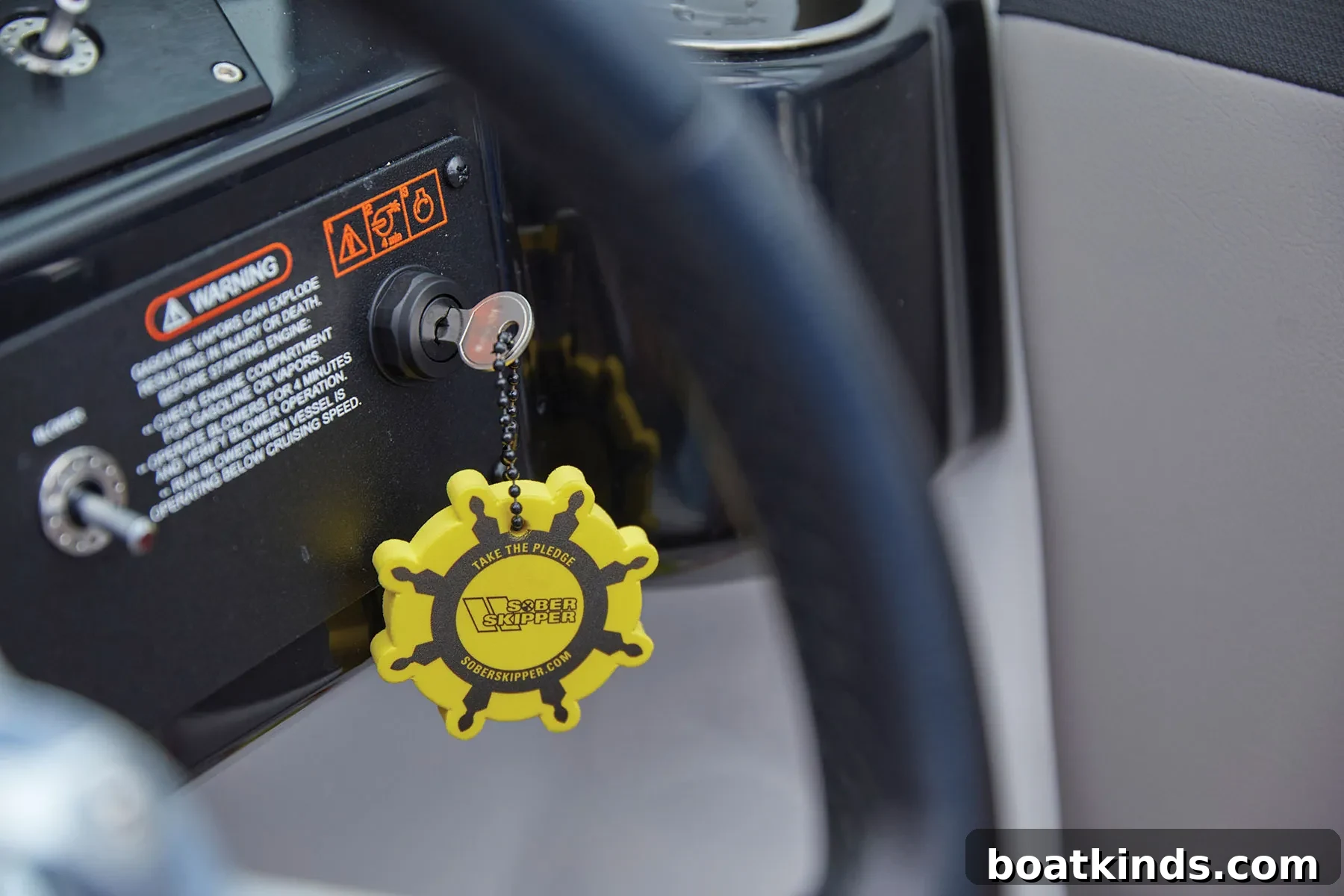
Launched in 2015 by the Sea Tow Foundation, the Sober Skipper initiative encourages boaters to designate a sober person to operate the vessel—much like the road’s designated driver. “We’re hearing people use it in their regular dialogue,” says Gail Kulp, executive director of the foundation. “Where people used to say, ‘Don’t drink and boat,’ now they say, ‘Have a sober skipper.’” The program emphasizes responsible behavior by ensuring someone at the helm remains alcohol-free and can intervene if others on board are behaving unsafely.
MADD’s national president, Alex Otte, argues for a stricter standard. Otte, a survivor of a boating incident involving alcohol, has made preventing BUI a priority for the organization. In 2010, while she was a child, a recreational boat struck her personal watercraft, causing life-changing injuries. Those experiences shaped her work with Operation Dry Water, the National Association of State Boating Law Administrators’ campaign launched in 2009 to deter alcohol use on the water. Now at MADD, Otte is pushing the group beyond road-focused efforts and into a zero-tolerance stance on alcohol on boats.
Otte says her goal is straightforward: eliminate alcohol from all boats. She contends that simply ensuring a sober operator is not sufficient because many boating fatalities happen when vessels are anchored or drifting and people are intoxicated in the water. “It has very little to do with the operator,” she explains. “It has to do with drunk people falling overboard, drunk people swimming where they shouldn’t be.”
Progress has been made. In 2004 the Coast Guard reported alcohol involvement in about one-third of boating fatalities; by 2021 that share had fallen to roughly 16 percent. Supporters of both Operation Dry Water and Sober Skipper claim responsibility for some of that decline. Operation Dry Water reports a large growth in outreach—rising from contact with about 52,000 boaters a year in 2010 to reaching more than 300,000 annually. Sea Tow Foundation data indicates that, among participating states and territories, most have seen reductions in BUI-related deaths, accidents or injuries.
Despite shared goals, the organizations differ philosophically. Sober Skipper focuses on a practical, achievable message: keep the person in charge sober so they can enforce safety on board. “As long as the person in charge and everyone on the boat are not drinking, they can step in, tell someone to put on a life jacket and prevent risky behavior,” Kulp says. MADD, in contrast, promotes a stricter policy aimed at removing alcohol from the boating environment entirely.

Cultural habits also present a challenge. Drinking around boats has deep roots in nautical lore and popular culture—from sailors’ rum rations to modern recreational party boating. That history makes the idea of banning alcohol on boats a tough sell to some. Otte acknowledges those reactions but believes attitudes can change as people recognize the real human cost of intoxication on the water. “People say, ‘We’re just trying to have a good time,’” she says. “But look at what someone’s good time did to me.”
Expect to see more education and enforcement aimed at BUI this season. MADD’s campaign, “BUI = DUI, Know Before You Boat,” includes stepped-up patrols and targeted enforcement, including planned “saturation” operations—days when law enforcement concentrates resources to detect and deter BUI, similar to roadside checkpoints for impaired drivers. MADD says that publicizing these efforts helps build awareness and prompts people to reconsider risky choices before they go out on the water.
Generational change may also help: Sober Skipper’s research suggests younger boaters are more receptive to sharing educational material about BUI, often via social media. A recent Sober Skipper video aimed at mid- to late-20-somethings drew far more engagement in weeks than previous content did in years. “Younger people seem to understand that one mistake can follow you forever online,” Kulp notes. “They’re thinking more about how their actions could have long-term consequences.”
Otte, who is in her mid-20s, reflects that perspective and is using MADD’s platform to amplify a zero-tolerance message. “We know many tragedies occur because of an intoxicated operator, and many deaths happen even when an operator isn’t drinking,” she says. “Our guidance is clear: don’t drink and operate a boat, and the only way to protect everyone is to keep alcohol off the water.”
This article was originally published in the September 2022 issue.