
NOAA Raises Chances of an Above‑Normal 2023 Atlantic Hurricane Season as Atlantic Ocean Reaches Record Warmth
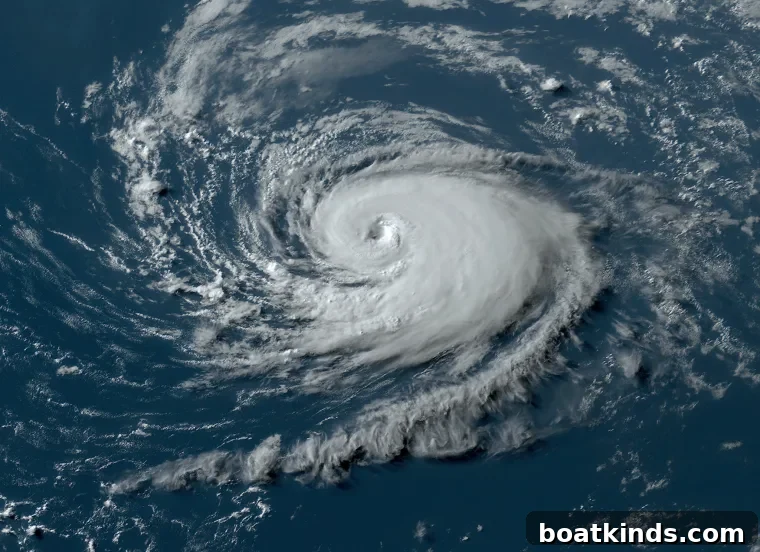
NOAA’s Storm Prediction Center issued an early August update to its seasonal forecast, increasing the probability of an above‑normal 2023 Atlantic hurricane season from 30% to 60%. The revision reflects unusually warm Atlantic sea surface temperatures and other factors that may offset some of El Niño’s typically suppressing influence on tropical activity.
The updated outlook, which covers the official Atlantic season from June 1 through November 30, now calls for 14–21 named storms (winds of 39 mph or greater). Of those systems, 6–11 could become hurricanes (winds of 74 mph or greater), and 2–5 could reach major‑hurricane strength (Category 3 or higher, with winds of 111 mph or greater). NOAA reports these ranges with about 70% confidence. The updated totals include tropical systems that already formed earlier in the season.
Matthew Rosencrans, lead hurricane season forecaster with NOAA’s Climate Prediction Center, summarized the primary climate drivers in a public briefing: the ongoing El Niño pattern, the warm phase of the Atlantic Multi‑Decadal Oscillation (AMO), and record‑warm sea surface temperatures in the North Atlantic main development region. Rosencrans noted there is greater than a 95% chance that El Niño will persist through the autumn, and that El Niño typically creates atmospheric conditions that tend to inhibit Atlantic tropical storm formation—especially in the western Caribbean and the Gulf of Mexico.
Despite the persistence of El Niño, the Atlantic’s local conditions have been unusually favorable. June–July sea surface temperatures in the main development region were reported 1.23°C above the long‑term average—an anomaly the forecasters described as the warmest since records began in 1950. Those warmer waters likely helped fuel the formation of early tropical systems in the deep tropics during June and July, and early season activity is often an indicator of a more active overall season.
Additional contributors to the outlook include the behavior of the West African monsoon. A stronger monsoon can feed more tropical waves and enhance cyclogenesis; this season has shown robust rains over West Africa, while wind patterns there have been closer to normal. That combination produced a mixed signal for forecasters and added uncertainty to seasonal projections.
Rosencrans emphasized the conditional nature of the forecast: if El Niño’s atmospheric effects intensify quickly, overall activity could fall toward the lower end of the forecast range. Conversely, if the locally warm Atlantic conditions persist, the season could trend toward the upper end of the projected ranges. That interplay—between a typically suppressive El Niño and unusually warm Atlantic waters—was the central reason NOAA raised its probability for an above‑normal season.
NOAA’s adjustment arrives as the six‑month season typically begins to reach its most active phase. Even in seasons with below‑average totals, a small number of storms can cause significant impacts on coastal communities, infrastructure, and shipping. Forecasters therefore stress that seasonal outlooks indicate overall activity but cannot predict where or when individual storms will form or make landfall.
Preparing for the Core of Hurricane Season
NOAA and other emergency management officials advise that residents, boat owners, and coastal businesses prepare now for the peak months of the hurricane season. Basic preparedness steps include assembling an emergency kit with food, water, medications, and important documents; reviewing insurance and evacuation plans; securing loose outdoor items and vessels; and staying tuned to official forecasts and local emergency alerts. For mariners and sailors, contingency plans for southbound passages and hurricane avoidance should be revisited in light of seasonal conditions.
Seasonal forecasts are a tool for planning. They do not replace short‑term storm predictions and watches, which should guide immediate safety decisions. Monitoring official NOAA forecasts, local emergency management guidance, and trusted weather services remains essential once tropical systems begin to form.
This story was originally published in SAIL Magazine.