
Popham Colony’s Virginia: A Replica Rebuilds 17th‑Century Shipbuilding in Maine
Most Americans learn that Jamestown, founded in 1607, was the first enduring English settlement in North America. That colony, established a few miles from modern‑day Williamsburg, Virginia, endured staggering early losses; about two‑thirds of the original settlers died before reinforcements arrived. Less widely taught is that in the same year another English effort took root upriver in what is now Bath, Maine. That short‑lived outpost, the Popham Colony, survived only about 14 months but left behind an important piece of maritime history: the construction of a ship called the Virginia.
The Popham Colony was likely a temporary expedition composed largely of men and boys focused on building a vessel and exploring the New England coast. Harsh weather, inadequate relations with Indigenous neighbors, and poor use of local resources contributed to the decision to abandon the settlement. As Kirstie Truluck, executive director of the nonprofit Maine’s First Ship, summarizes, the colonists ultimately concluded they could not make the colony work and returned to England after completing their ship.
The Virginia, however, proved seaworthy. Historical records show the ship later returned to England and then sailed back to the Chesapeake Bay, where it was last mentioned in 1610. Maritime historians consider it the first oceangoing English vessel built in the Americas. That original build site evolved into one of the nation’s most storied shipbuilding regions.
This past June in Maine, volunteers and shipwrights brought that legacy back to life with the launch of a 51‑foot replica of the Virginia. The project was led by Maine’s First Ship after years of research by historians and maritime experts in the United States and abroad. They assembled construction plans that not only reflected 17th‑century evidence but also complied with modern safety standards so the vessel could carry passengers. The completed replica measures 51 feet overall with a beam of 15 feet, 8 inches, a draft of 6 feet, 6 inches, and a displacement of 98,560 pounds.
Because the original Popham settlers left no architectural plans, the research team relied on centuries‑old journals, logbooks, and any contemporary references to tonnage and construction details to approximate the Virginia’s design. In the early 2000s they presented their work to Dave Wyman, a Maine naval architect whose background includes a rebuild of the HMS Bounty and other historical reconstructions. Wyman’s task was to interpret that historical evidence and produce a set of plans that met modern inspection requirements.
“My task was to design the ship, consistent with the historical research and modern safety requirements to get her Coast Guard‑inspected to carry about 35 passengers,” Wyman told Soundings. Whereas the original Virginia would have carried cargo in its hold—fish, trade goods, or other supplies—the replica is designed for a deck load of passengers, which demanded careful attention to stability. To satisfy modern standards, the replica includes a lead keel and a wider beam that still aligns with historical upper limits.
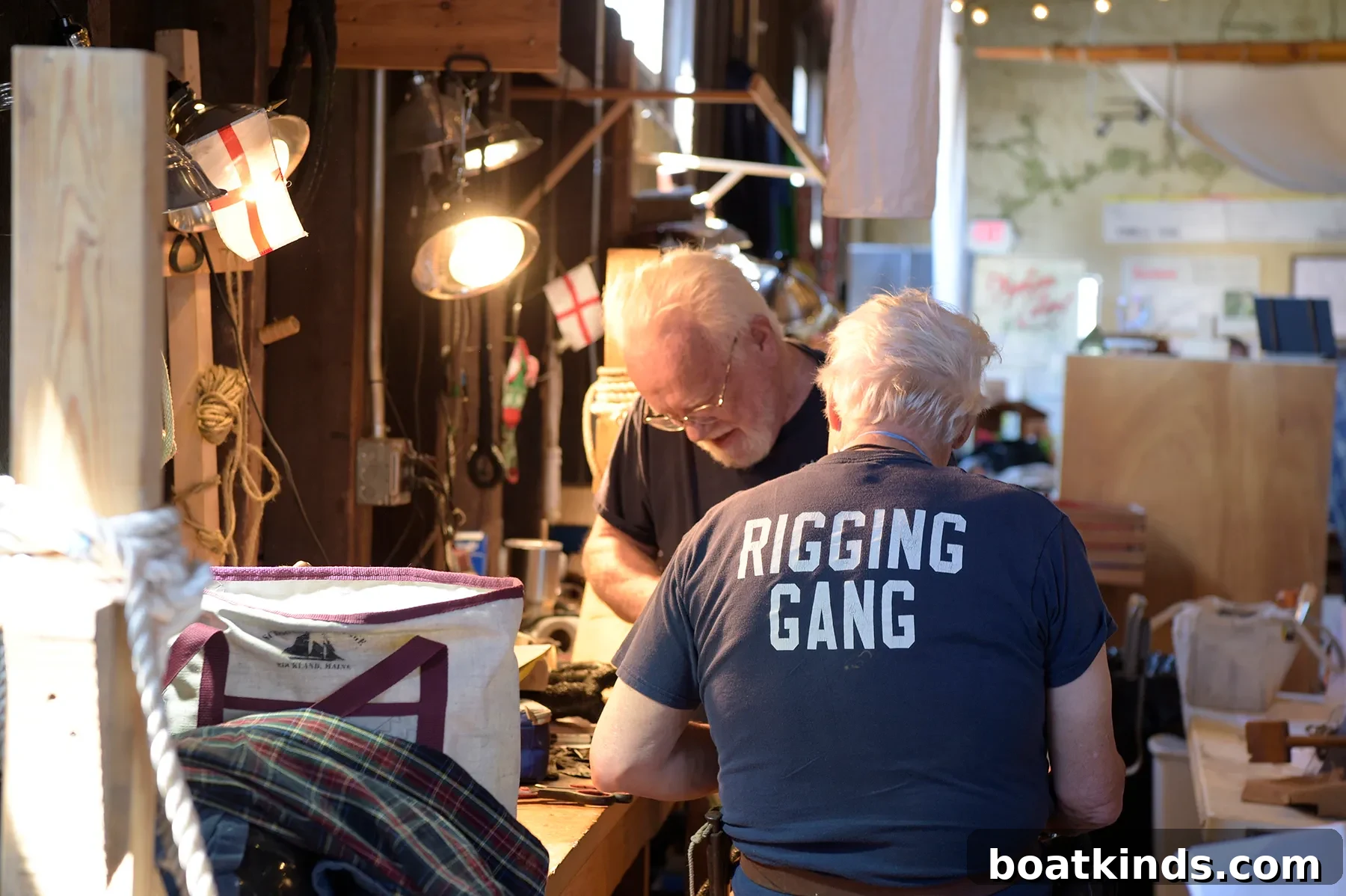
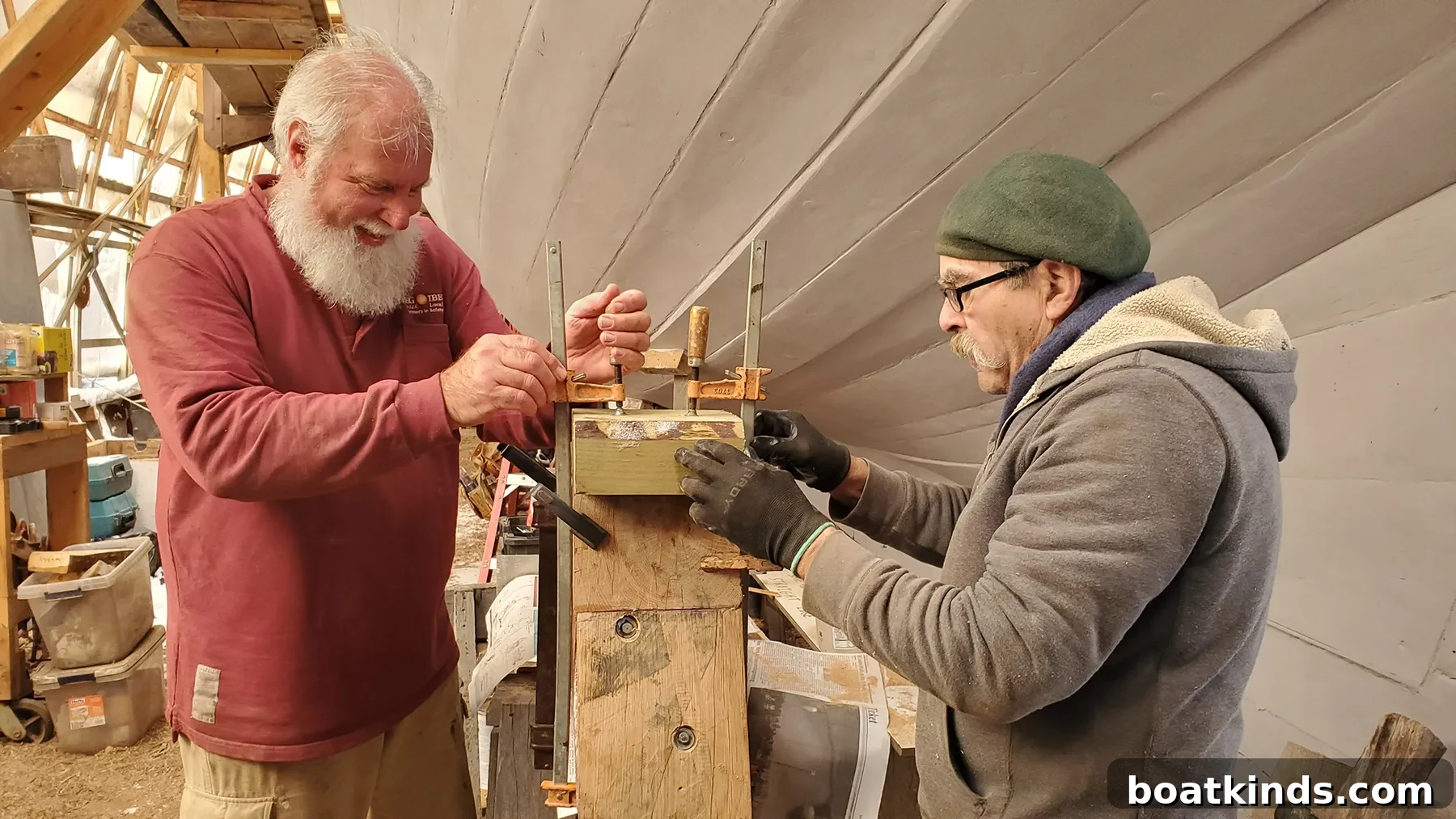
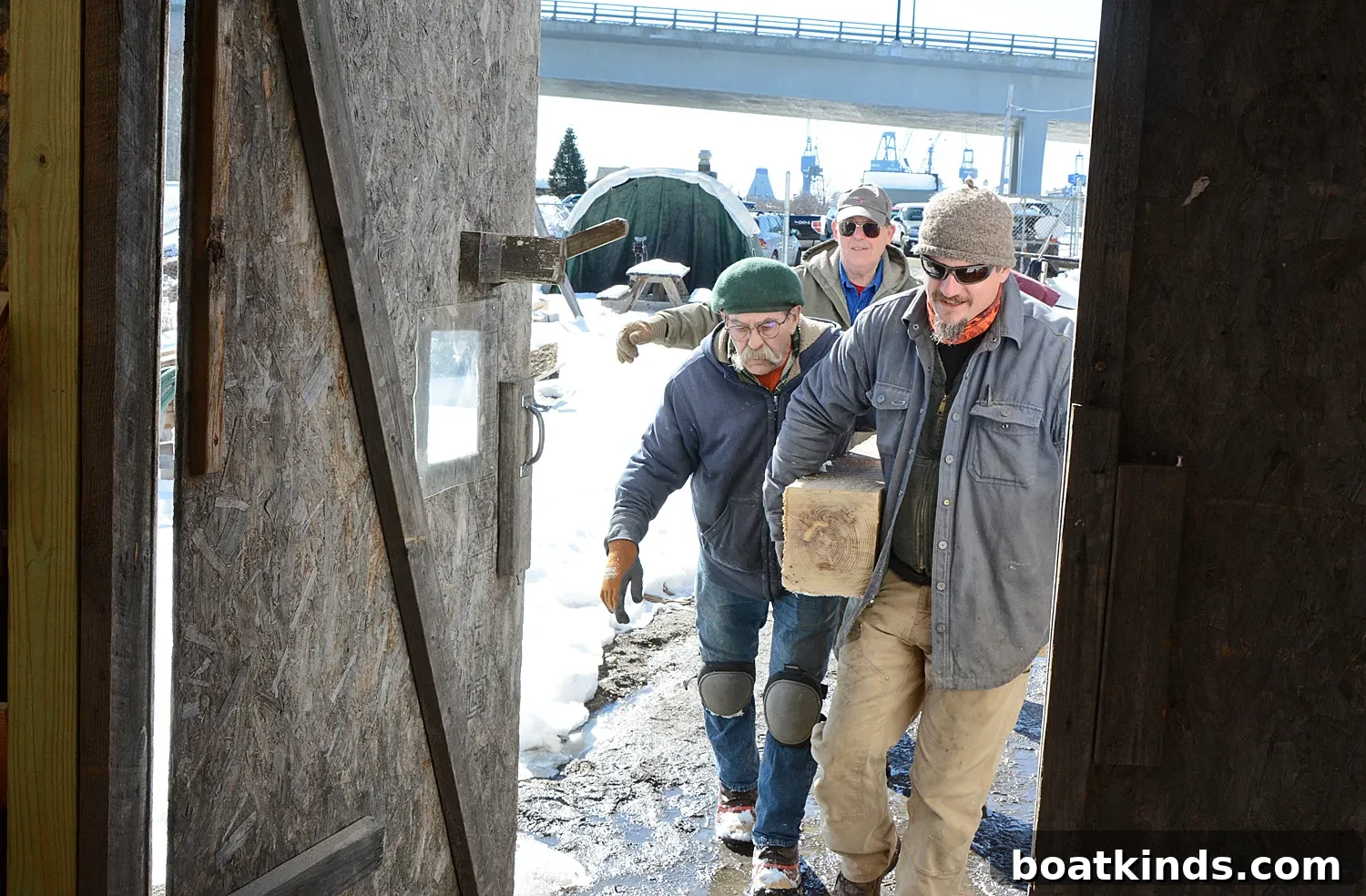
Skilled volunteers then built the vessel using a blend of traditional methods and contemporary tools. Truluck describes the approach as “traditional construction with modern amenities”: hand tools and joinery combined with power tools and safety equipment. The launch was, in her words, “the most anachronistic launch in history”—a 17th‑century style vessel eased into the water with the help of a hydraulic crane purchased in 2020.
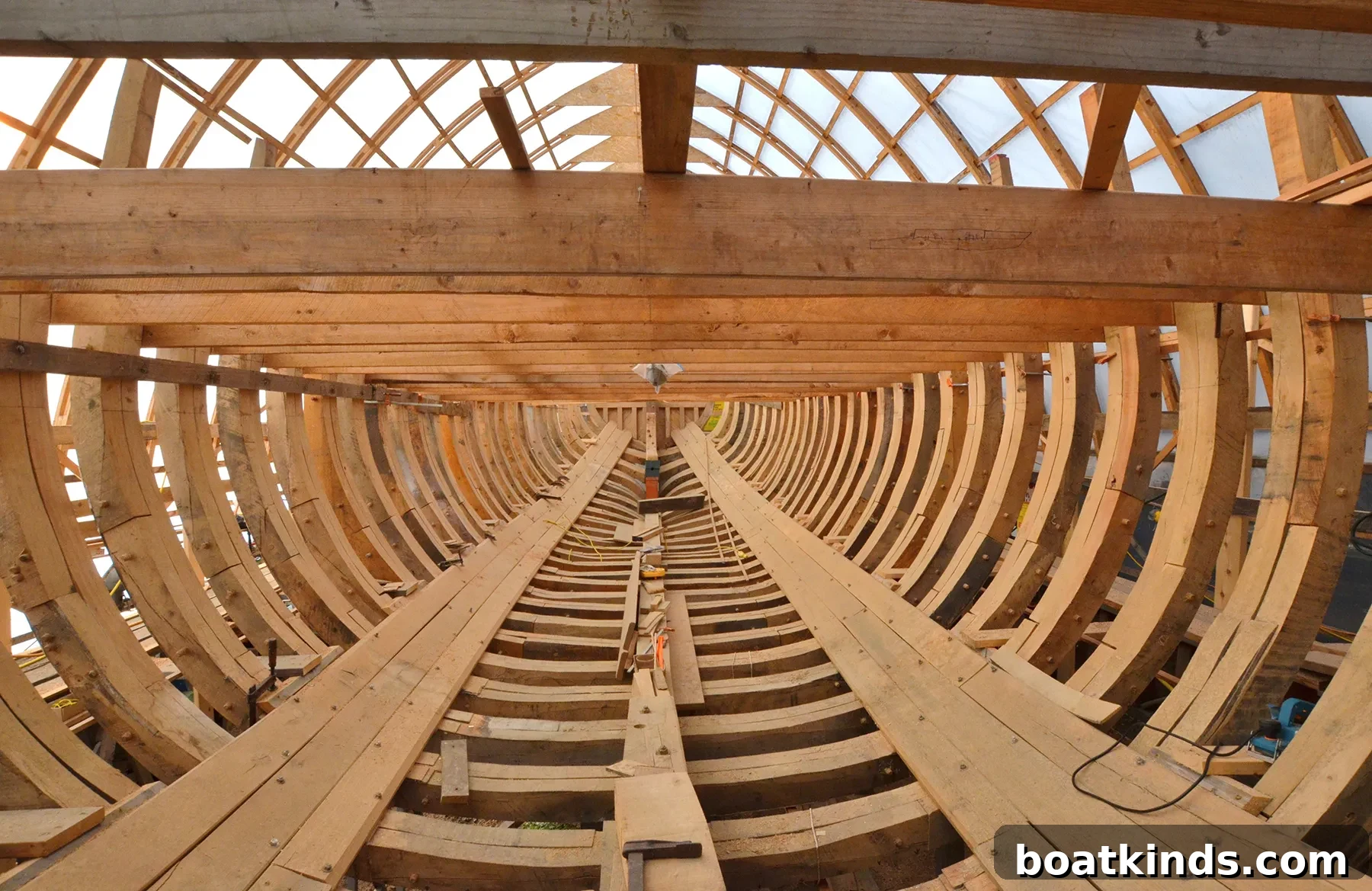
The construction team closely examined historic framing methods. The original Virginia likely used four or five widely spaced mold frames with futtocks attached to the planking but not to each other. Modern practice uses double‑futtock frames fastened into a single, solid frame and spaced much more closely—around 18 inches—resulting in a structurally different hull built to contemporary safety expectations. “We learned a bunch more in the past 400 years,” Wyman said. “What was an acceptable loss rate then is no longer acceptable now.”
Throughout the project the team balanced two primary goals: be faithful to historical evidence and make the vessel serviceable for modern use. That balance produced interesting debates over period details. During an early design review, an experienced shipwright pointed out the plans lacked a bobstay—the line from the bowsprit to the stem. Some argued the fitting was necessary, while others noted it wasn’t adopted widely until centuries later, so the replica follows the historical record.
The U.S. Coast Guard has been involved from the beginning, approving Wyman’s initial plans in 2004 and inspecting progress at the Bath Freight Shed. With the Virginia now launched, the vessel will be rigged and undergo final Coast Guard inspection. Wyman is updating the plans to reflect changes made in the yard and to provide documentation for inspections and future repairs; those plans will be archived alongside operational manuals and donated electronics equipment.
Truluck is organizing fundraising and programming so the ship can carry visitors in future seasons, with hopes to begin welcoming school groups, adult visitors, and educational tours in spring or summer 2023. The replica includes watertight bulkheads and a modern motor—features the original would not have had—but the builders left the interior hulls unplanked so visitors can see the framing and understand traditional construction. The nonprofit plans interpretive events, including costumed days, to convey the lived experience of early 17th‑century seafaring.
Launch day drew a large crowd; Truluck and Wyman estimate at least 3,000 people came to celebrate the volunteers and witness the ship’s splash. For the team, the moment echoed the Popham settlers’ own achievement centuries earlier: they, too, had built a ship that met its purpose. As Wyman noted, naval architecture rests on two simple principles—the vessel must float, and it must float upright. With the Virginia replica, both principles were proven.
This article was originally published in the August 2022 issue.