
Like many of you, we have a long list of favorite boating destinations, and choosing the very best can feel like picking a favorite boat. As Soundings celebrates its 60th anniversary, we’ve chosen six cruising locales that have endured as beloved stops for generations of boaters. All are in New England — the region where Soundings was born and where many of its readers still cruise and dock today.
Block Island, RI
Block Island’s appeal is simple and powerful: a scenic, sheltered harbor that invites boaters to linger. Henry DuPont, who runs Block Island Community Sailing and has lived on the island for 50 years, points to the Great Salt Pond as one of New England’s most comfortable and picturesque anchorages. “We can have 800 boats in the pond and in the marinas, and it’s all people enjoying the cruising lifestyle,” he says.
Boaters are the island’s lifeblood. On a typical summer day, DuPont estimates that at least a third of the people on and around the island are staying aboard boats. Over time, older classic cruisers have been joined by faster, high-performance yachts, yet many traditional vessels still visit.
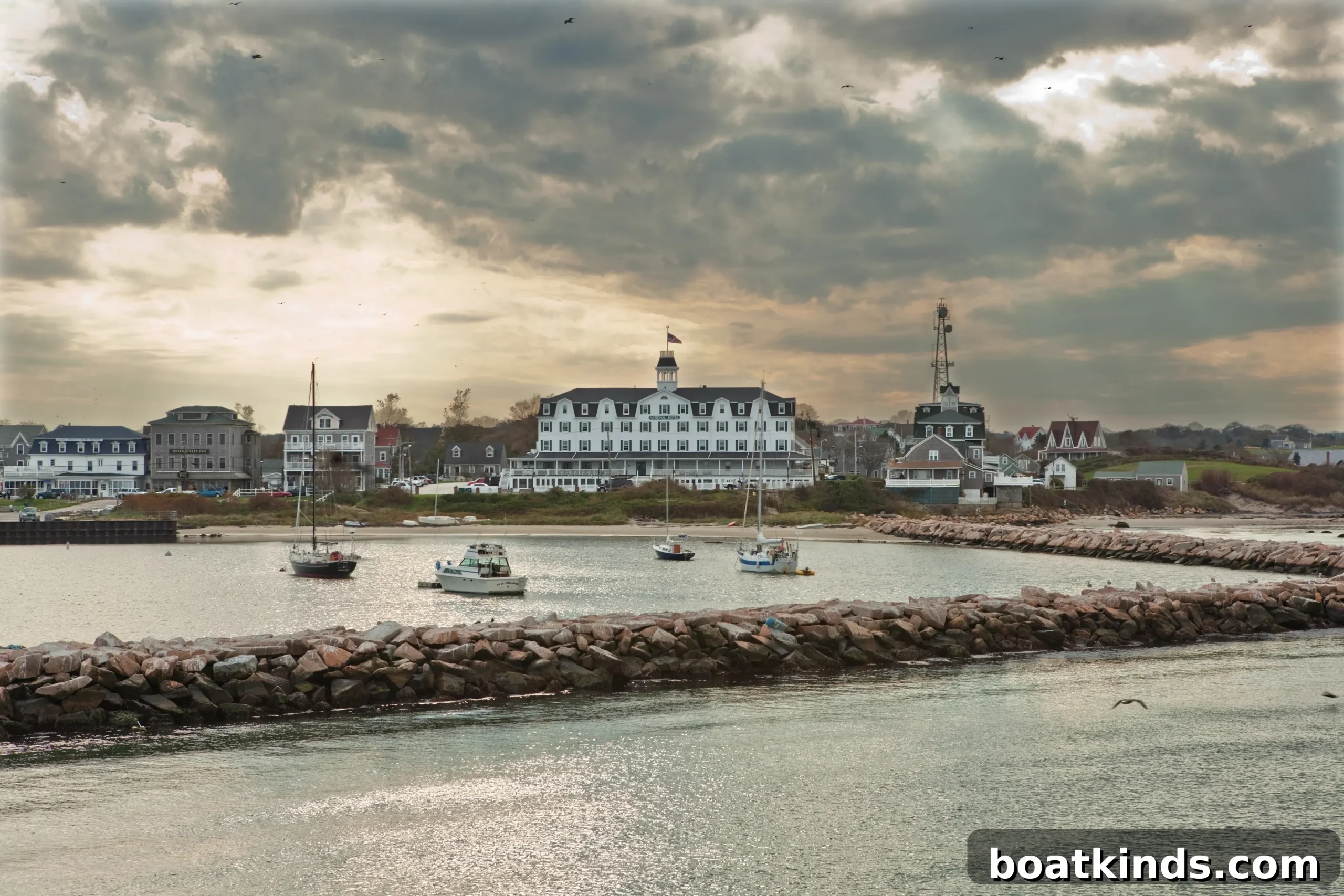
New Shoreham Harbormaster Kate McConville notes that, despite busy summer seasons, Block Island has resisted large chain development and retained its small-town New England character. Longstanding shops, waterfront restaurants and family traditions remain intact, and many seasonal staff are boaters who live aboard and work ashore.
Housing is limited, so living on a boat can be a more affordable seasonal option. During major holiday weekends, as many as 1,200 boats can fill the marinas, moorings and anchorage; typical summer weekends see 700 to 800 vessels. Plans are underway for a maritime welcome center near the boat basin that would offer a dinghy dock, hot showers, laundry, Wi‑Fi and other amenities, and fundraising is in progress.
One highlight of the season is Block Island Race Week over Memorial Day, which brings a wide range of racing and cruising boats together for spirited competition and socializing.
Newport, RI
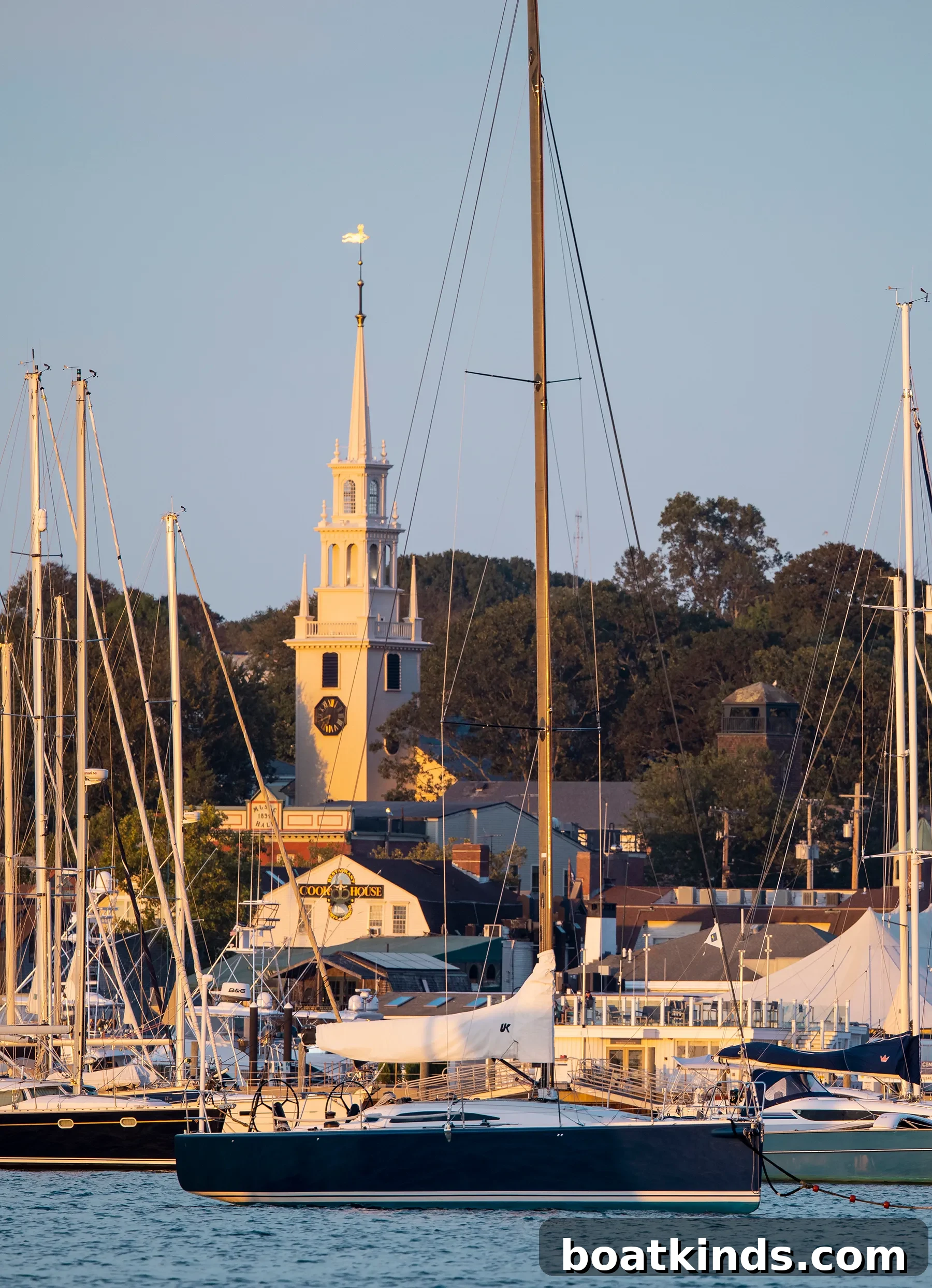
Newport’s rich maritime culture is visible at every dock and on every waterfront street. Known today for the Newport International Boat Show, the city was also the home of America’s Cup racing from 1930 through 1983, a legacy that shaped the area’s sailing traditions and social fabric.
Charlie Dana, a longtime resident and former owner of what is now Safe Harbor Newport Shipyard, recalls how the Cup races once put Newport in the national spotlight. Although losing the Cup was a difficult moment, the city adapted and evolved. Yacht clubs and sailing institutions — including the New York Yacht Club’s Harbour Court and the Ida Lewis Yacht Club — helped maintain the sailing community and cultivate new maritime activity.
Newport’s waterfront blends history, museums and modern amenities. Institutions such as the IYRS School of Technology and Trades (formerly the International Yacht Restoration School) and the National Sailing Hall of Fame contribute to the city’s strong nautical identity. Walking the harbor, visitors encounter a mix of classic clubs, shops and restaurants that still feel connected to the city’s sailing heritage.
Nantucket, MA
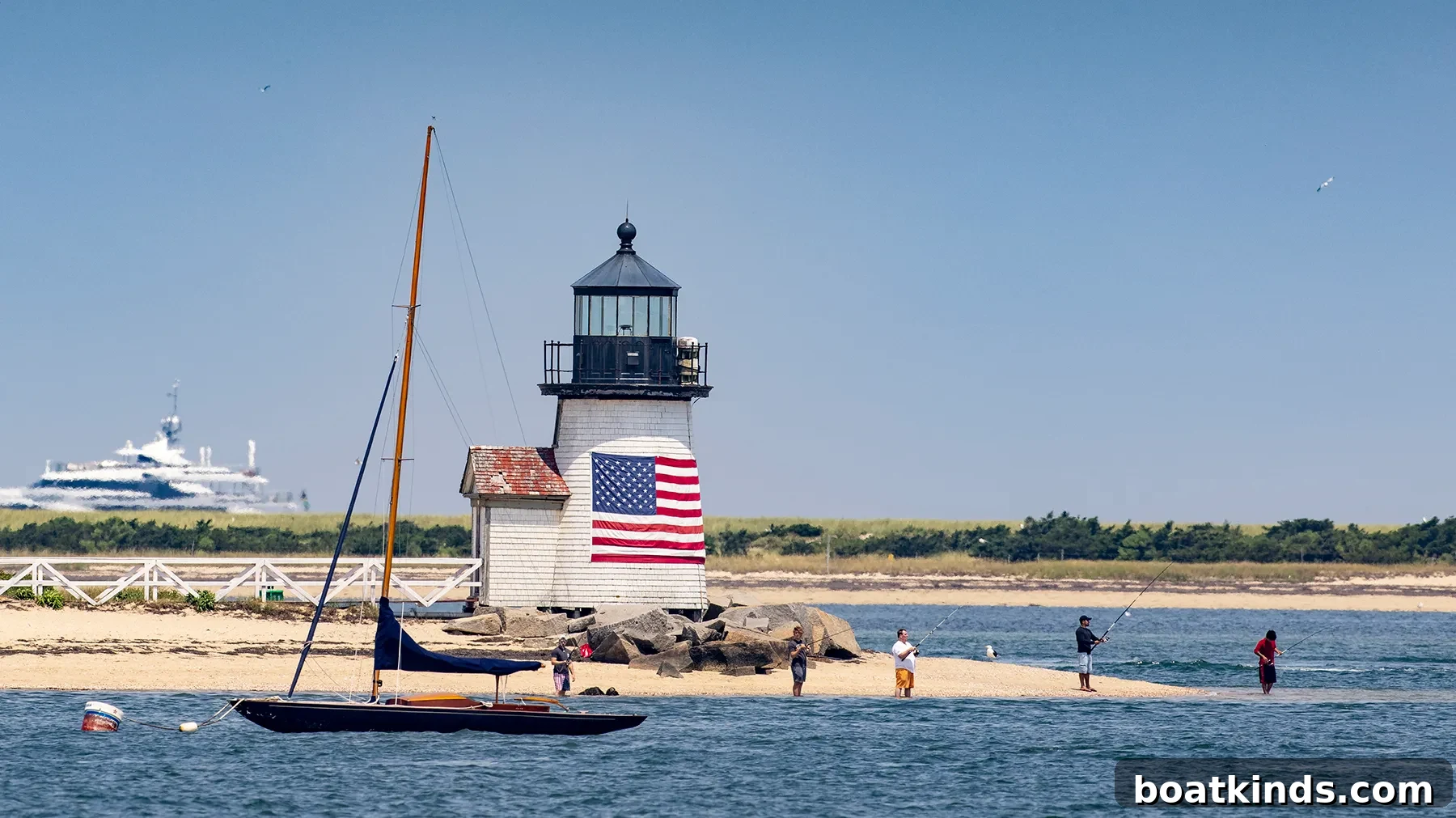
Nantucket remains a perennial favorite because it’s both a destination and a convenient hub for island-hopping. From Hyannis the passage is about 26 nautical miles, and from Newport the trip is longer but still routinely done by cruisers. The island’s location makes it an ideal stop on many New England cruising itineraries.
The Nantucket Boat Basin welcomes boats each day after the usual check-in time, and the nearby Nantucket Whaling Museum often sees afternoon visitors who stroll over from the docks. Ashley Santos, the museum’s director of marketing and communications, explains that maritime enthusiasts frequently combine a stop at the museum with their time ashore. Nantucket’s whaling heritage shaped the island’s past, and its maritime traditions continue to attract boaters throughout the summer.
Nantucket Race Week every August draws large fleets, but during the entire season the harbor fills with a wide variety of vessels — from private cruisers to yachts too large to tie inside the harbor. The island’s cultural ties reach beyond its shores; for example, the museum is preparing an exhibit about Tony Sarg, the designer known for creating the Macy’s Parade balloons, who summered on Nantucket.
Cuttyhunk, MA
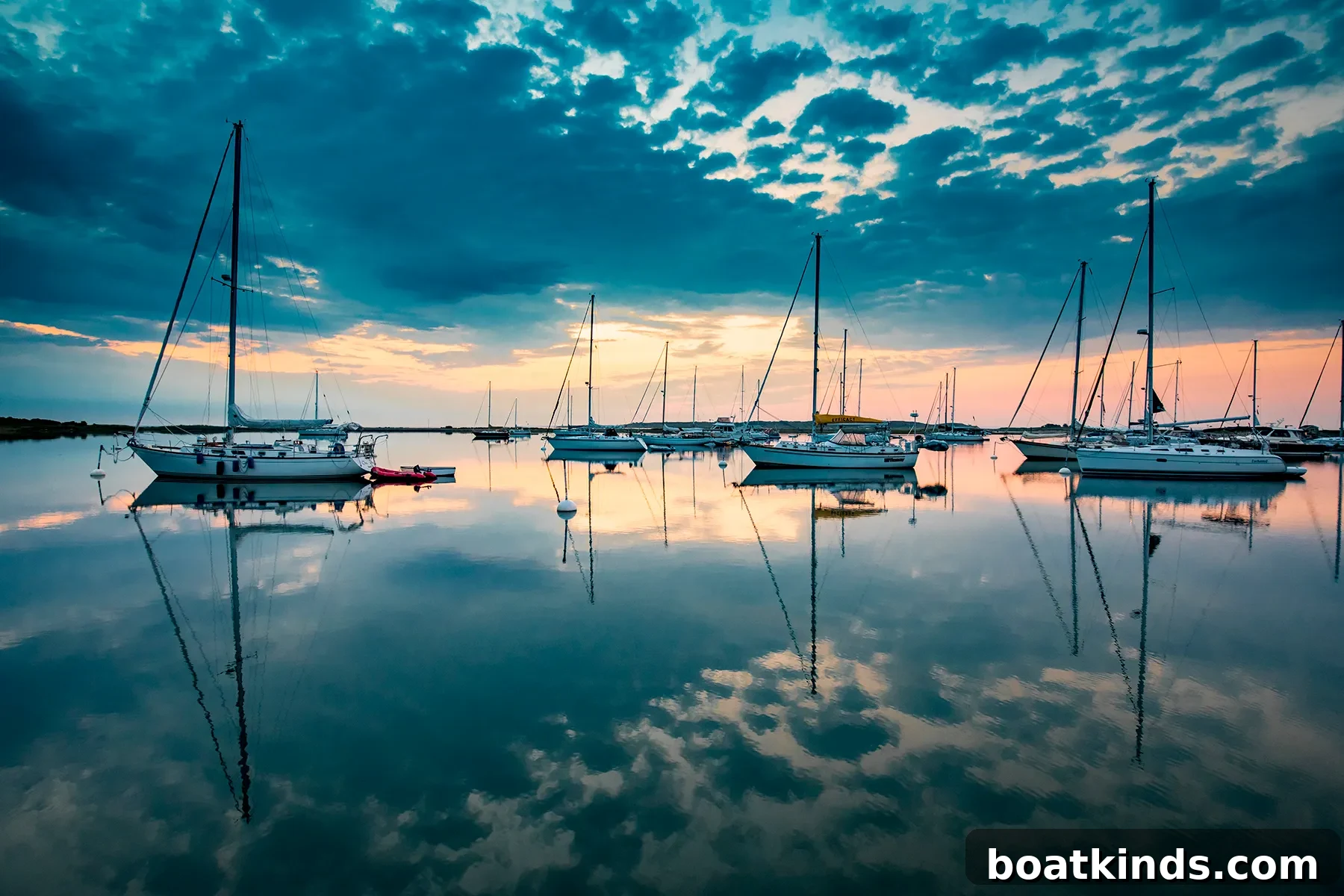
Cuttyhunk, at the outer edge of the Elizabeth Islands, remains a quietly exclusive and surprisingly unspoiled destination. Robyn Weisel of the Cuttyhunk Historical Society explains that the island’s reputation began when New York businessmen and anglers made it a fishing retreat, and that sense of privacy and tradition endures. Many locals and visitors relish the island’s off-the-radar charm; even residents of nearby coastal towns sometimes overlook it.
Presidential visitors and prominent anglers have fished these waters in the past, and today Cuttyhunk still gives the impression of a private discovery. Rentals are rare, so visiting by boat is the usual option, and on peak summer days she’s seen around 100 vessels in the inner harbor. The island’s relaxed atmosphere extends to the way locals dress and move around — bare feet are common among residents — and anecdotes about famous guests underline its storied, informal character.
Cuttyhunk’s small scale and restrained development make it feel like a hidden gem. For many cruisers, finding Cuttyhunk is part of the pleasure: it feels like a special discovery, a peaceful boater’s paradise that rewards those who seek it out.
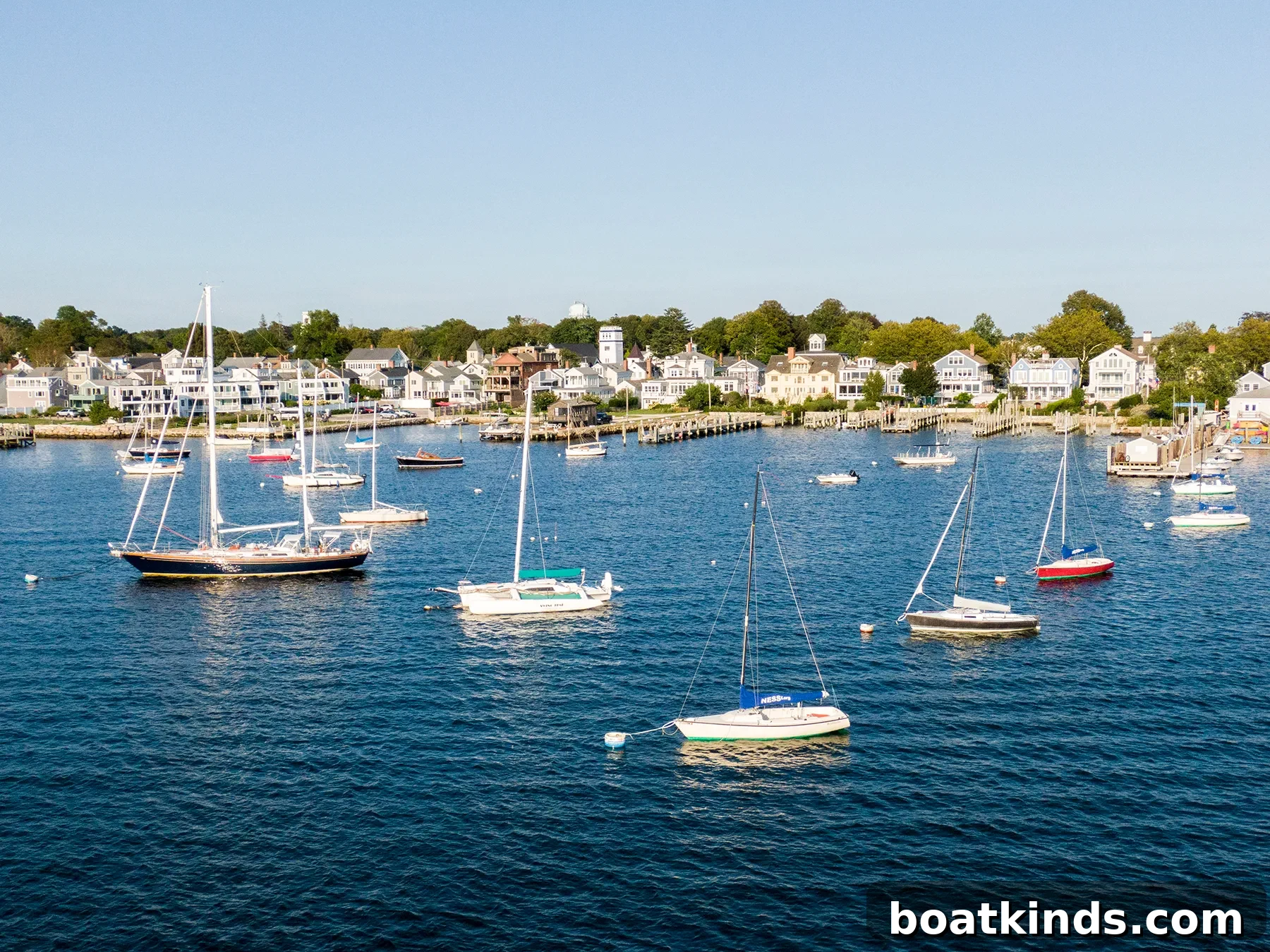
Mystic & Stonington, CT
Mystic’s maritime attractions center on the Mystic Seaport Museum, but the approach by water is part of the draw. Chris Gasiorek, vice president of watercraft preservation and programs at the museum, notes that voyaging into Fishers Island Sound still offers the same iconic views boaters saw decades ago — the lighthouse, the village and the Mystic River Bascule Bridge — creating a sense of timelessness.
The museum has modernized facilities like floating docks and showers, but walking the grounds in the evening, when mainly boaters remain ashore, can feel like stepping back in time. Many families return with multiple generations, continuing traditions that began decades earlier.
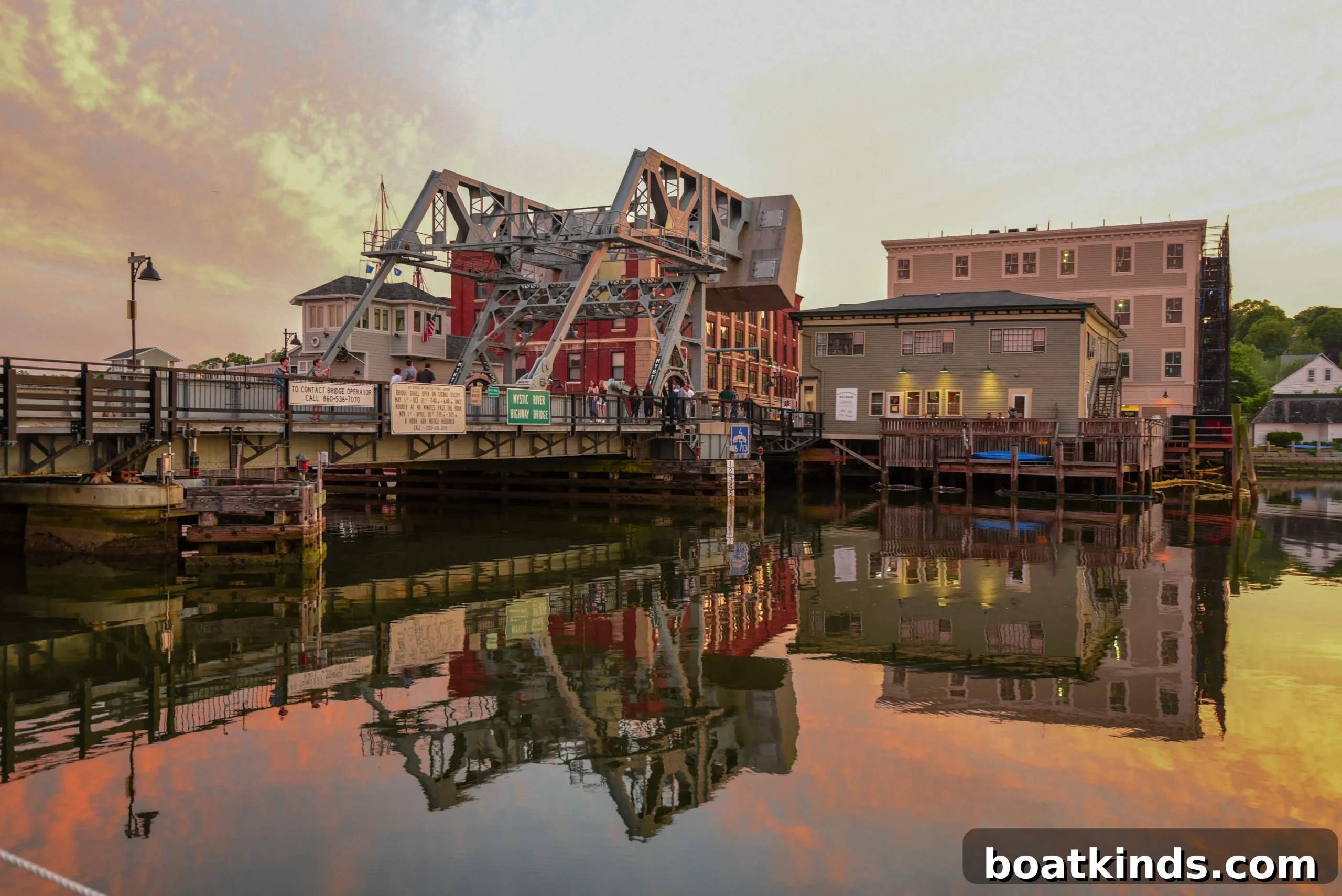
Nearby Stonington also keeps drawing boaters who appreciate its familiar, unchanged geography and rocky coastline. The Fishers Island Sound area offers beaches and small harbors that evoke a New England feel reminiscent of Maine’s shorelines, with plenty of friendly stops for cruisers.
For those who ask, the museum sometimes arranges special tours of its extensive Mystic Watercraft Hall collection. Housed in a large warehouse, the collection includes hundreds of boats — an insiders’ experience that offers a deep look at maritime history and a sense of endless discovery for enthusiasts.
Montauk, NY
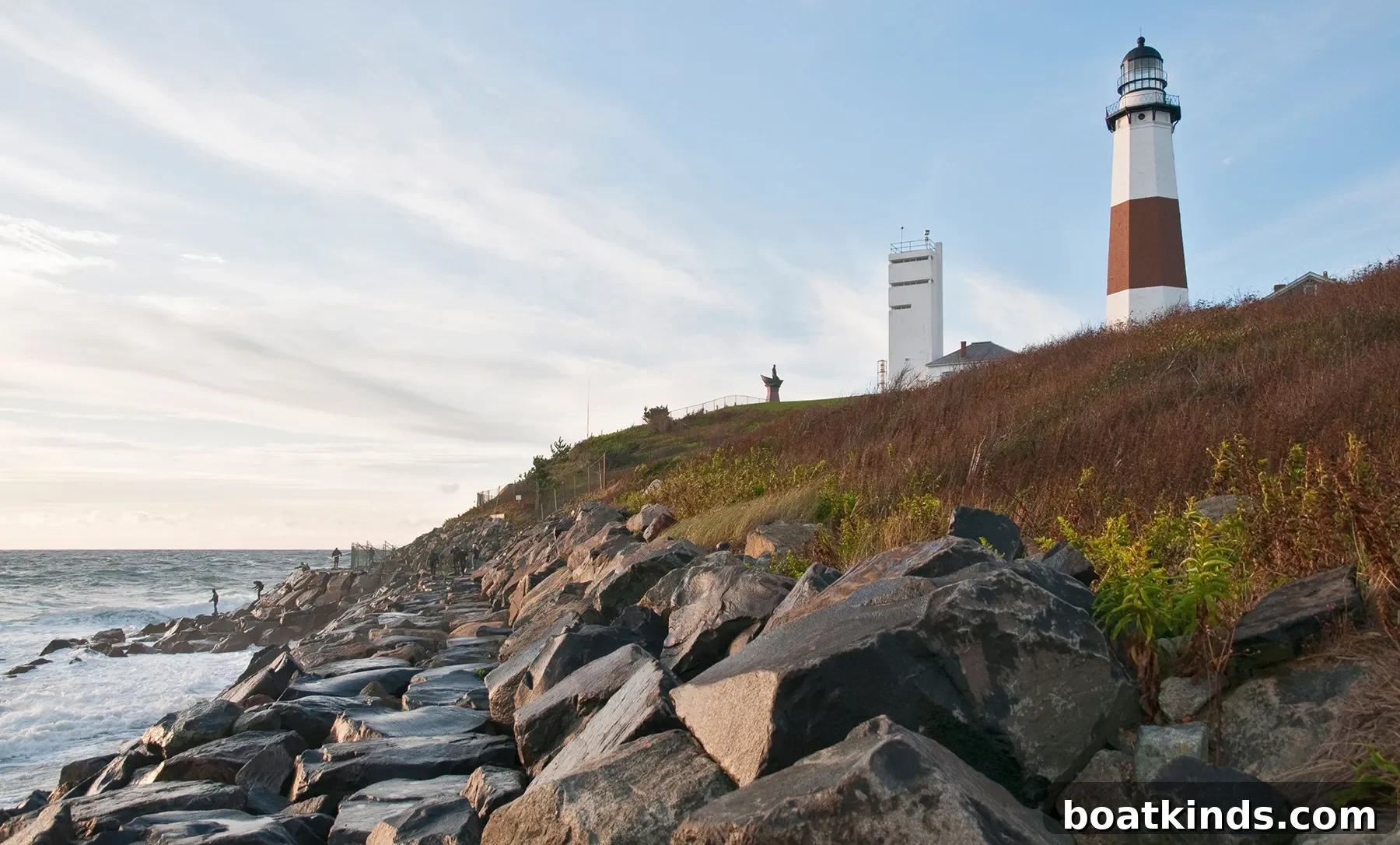
Montauk’s identity is shaped by its fishing heritage and its exposed location at the tip of Long Island. Fisherman Clint Bennett, a 14th-generation resident whose family has worked these waters for generations, describes a place where the ocean and bay sit close together, limiting development and preserving a distinct coastal character.
Fishing is central to Montauk’s boating scene. In summer, sportfishermen arrive to chase marlin, wahoo, dorado, tuna and other offshore species, and the area serves as the setting for numerous tournaments. Bennett notes that visiting yachts range widely in size, and that some very large yachts anchor outside the harbor and use tenders to shuttle crew ashore.
Local skiffs and center consoles ply both bay and ocean, and commercial fishing activity remains visible across the waters. At different times of year, the number of boats can vary from a handful to thousands. Locals often welcome visiting boaters with fresh seafood — clam and lobster pies, oysters — served from home-based stands and small restaurants. The village itself offers trails for hiking and biking, modest nightlife, and an economy built around the sea.
This article was originally published in the April 2024 issue.