
Boating is often more enjoyable and practical with a tender—a multipurpose dinghy that acts as the mothership’s gofer. With so many quality options from reputable builders, choosing the right tender can be confusing. The first question every expert I consulted asked was simple: “How will you use it?”
That question matters because, while most owners use a tender for the same basic tasks—ferrying guests and crew between anchor and shore, carrying groceries and trash, exploring coves and harbors, cleaning the hull, or just cruising—the ideal tender varies by how and where those tasks will be done. Every tender should be capable of handling ferrying, light work, and casual outings, but size, weight, stowage and construction will determine which model fits your boat best.
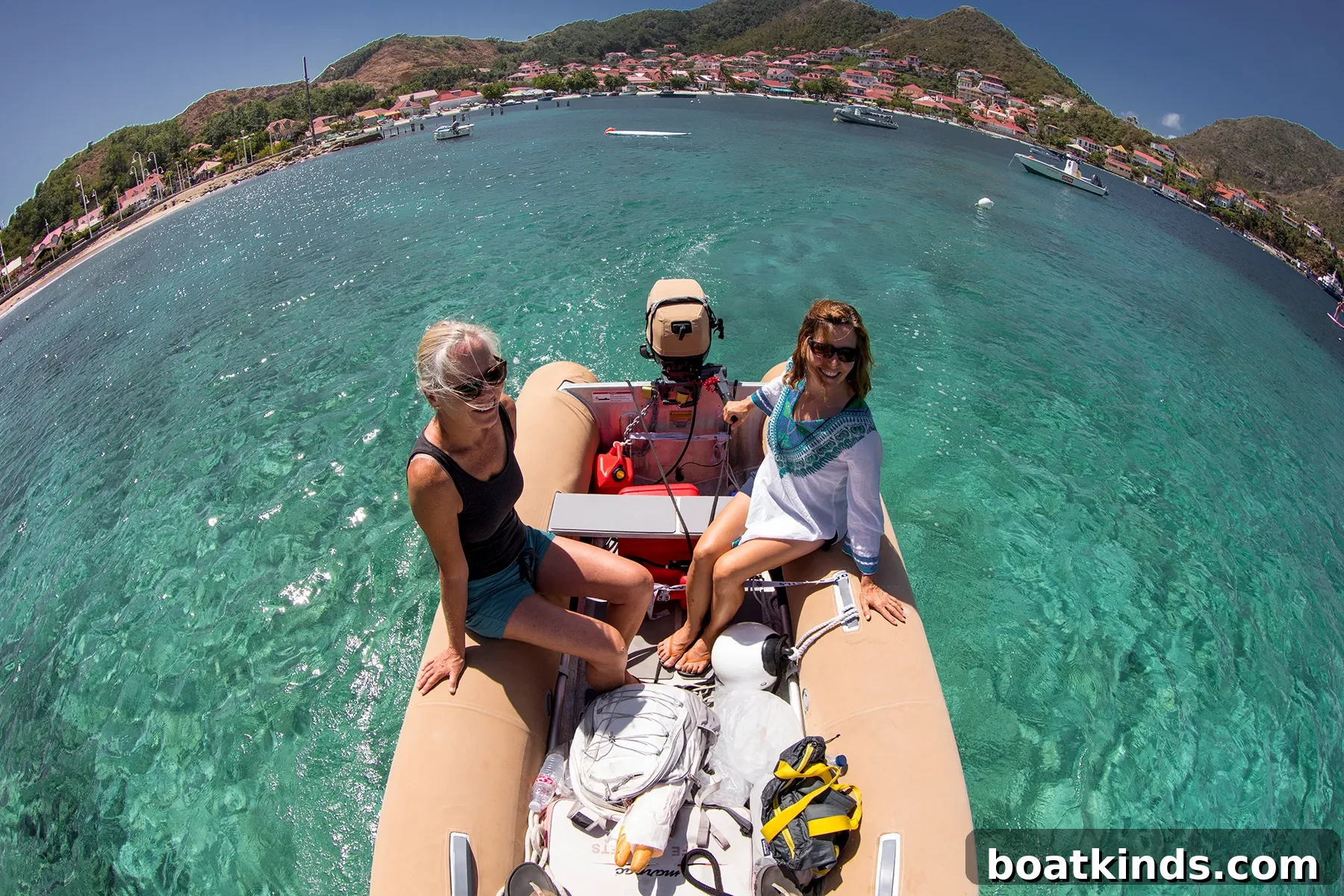
Should you choose a hard dinghy, a soft inflatable, or a RIB (Rigid Inflatable Boat)? Traditional hard dinghies appeal to purists: they generally row better, have classic lines, and many accept a sailing rig. A classic example is the Dyer Dhow—about 9’1″ long, rowing version weight roughly 104 pounds and a carrying capacity near 650 pounds—an excellent solid-tender choice. But hard boats lack built-in fendering, usually don’t match the stability or payload of similarly sized inflatables, and are less forgiving when you bump into the mother boat.
Inflatables, by contrast, offer high capacity, excellent stability and resilient fendering in the form of their tubes. A small inflatable only slightly shorter than that Dyer can often carry significantly more weight, resist capsizing and be rolled and stowed in a bag without davits. That convenience makes roll-up inflatables a popular option for many cruisers.
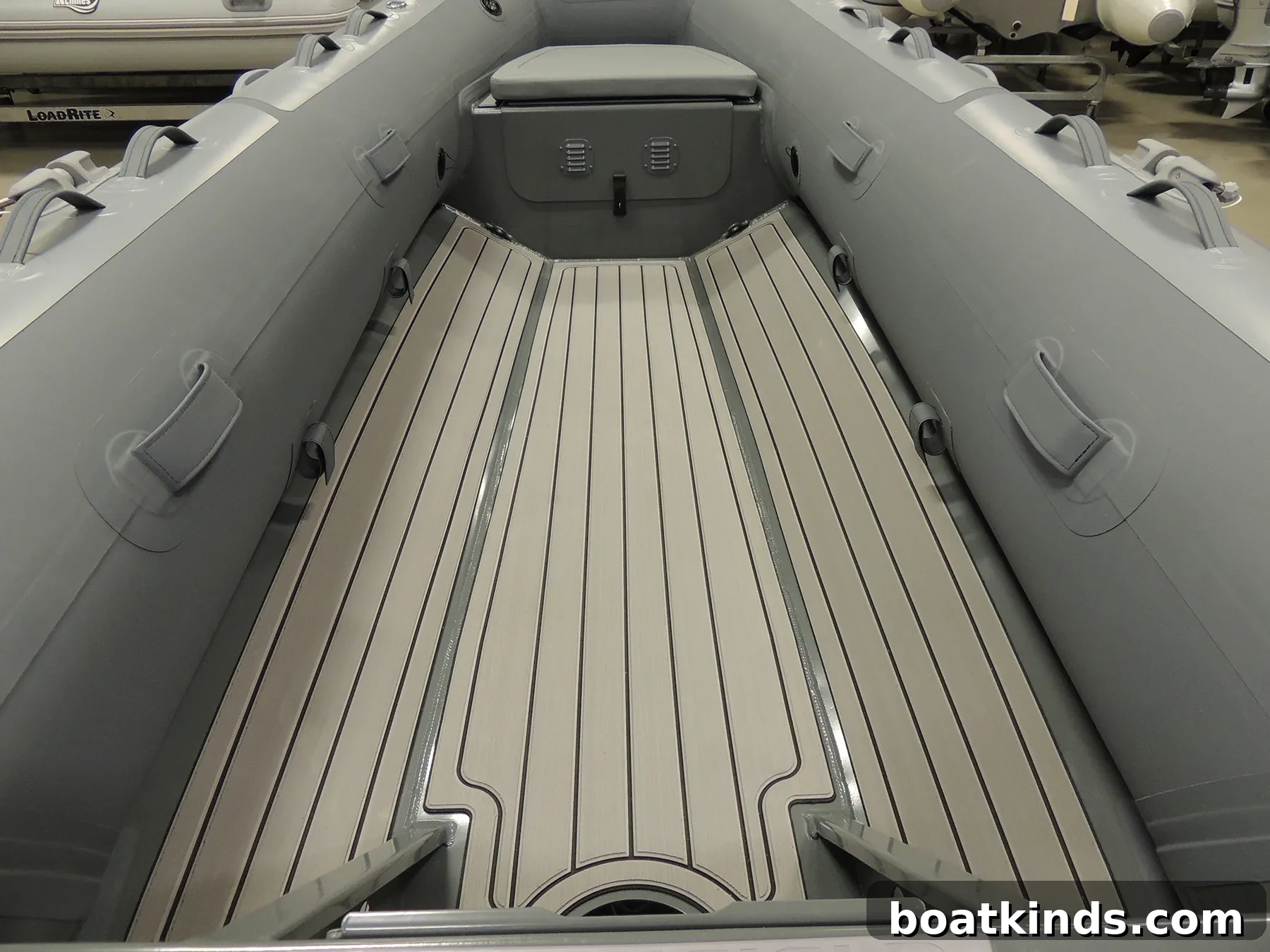
RIBs combine inflatable tubes with a rigid fiberglass or aluminum V‑hull. The hard hull delivers a smoother ride, better footing and allows fitting a larger outboard. RIBs typically include stowage lockers for fuel and gear, and because they’re heavier and less compact than pure inflatables, owners often use davits, cranes or swim platforms to handle them. For size-for-size performance and offshore capability, many experienced cruisers prefer RIB tenders.
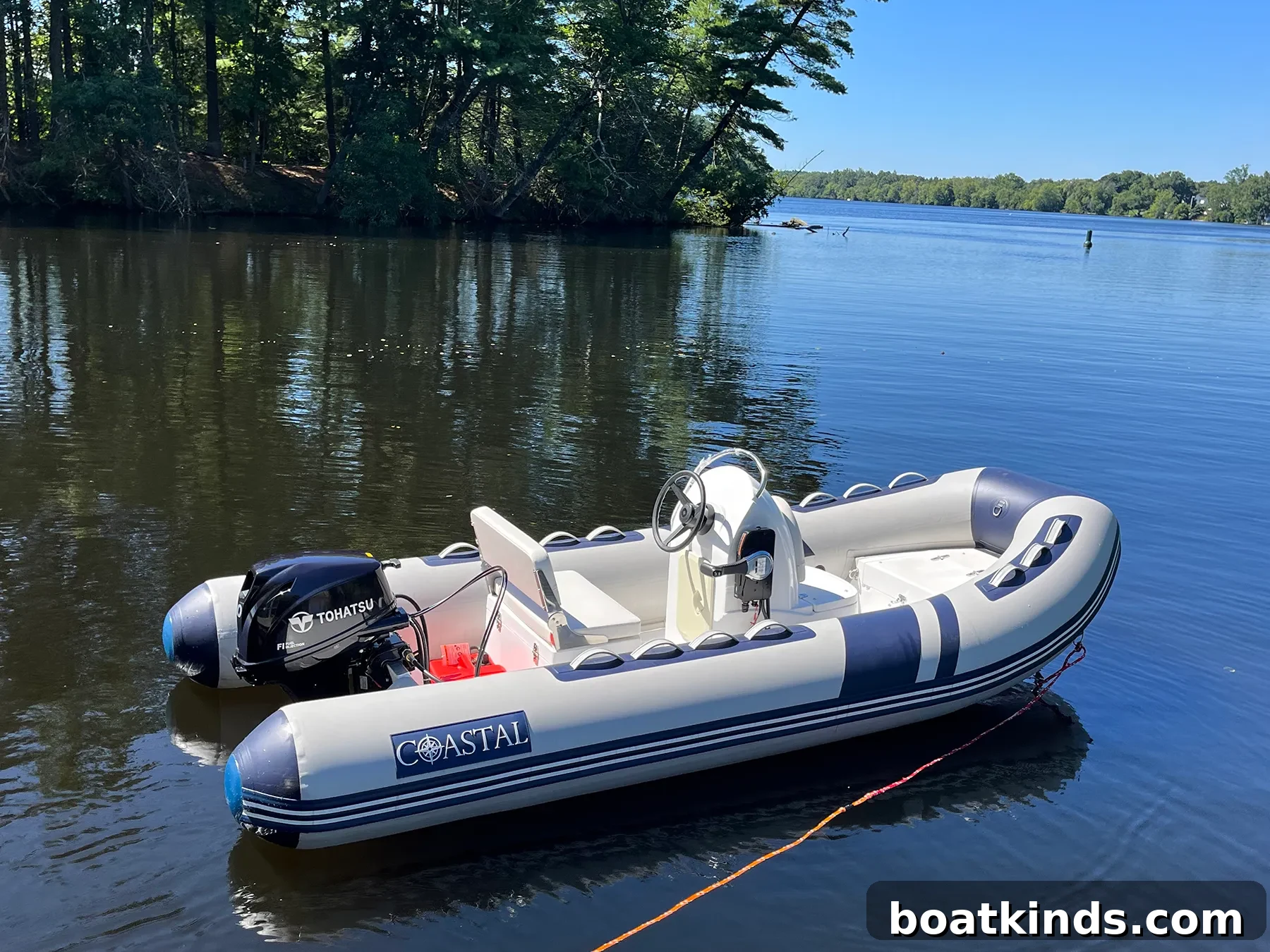
How large should a tender be? Industry feedback suggests the most popular tenders worldwide fall between roughly 10 and 11 feet long—frequently tiller-steered RIBs with aluminum or fiberglass hulls. Aluminum hulls are lighter and durable; fiberglass is easier to repair. Tiller steering keeps the layout simple, inexpensive and maximizes room for passengers and gear, whereas a console is handy in larger tenders and can be more fun for kids. A well-known example is Zodiac’s 9’11” Cadet 300 RIB Alu, which handles five passengers yet weighs about 95 pounds.
STOW RATHER THAN TOW
Plan where and how you’ll stow the tender before you buy. It can’t live on the tow hook forever—towing is fine for occasional slow-speed use, but you need a practical way to bring it aboard. Common storage options include davits, chocks on deck, lashed on a stern platform, in an aft garage, or deflated and stowed below in a bag. Measure carefully: if you plan to hang a tender on stern davits, the overall length including the outboard must not extend beyond the boat’s beam.
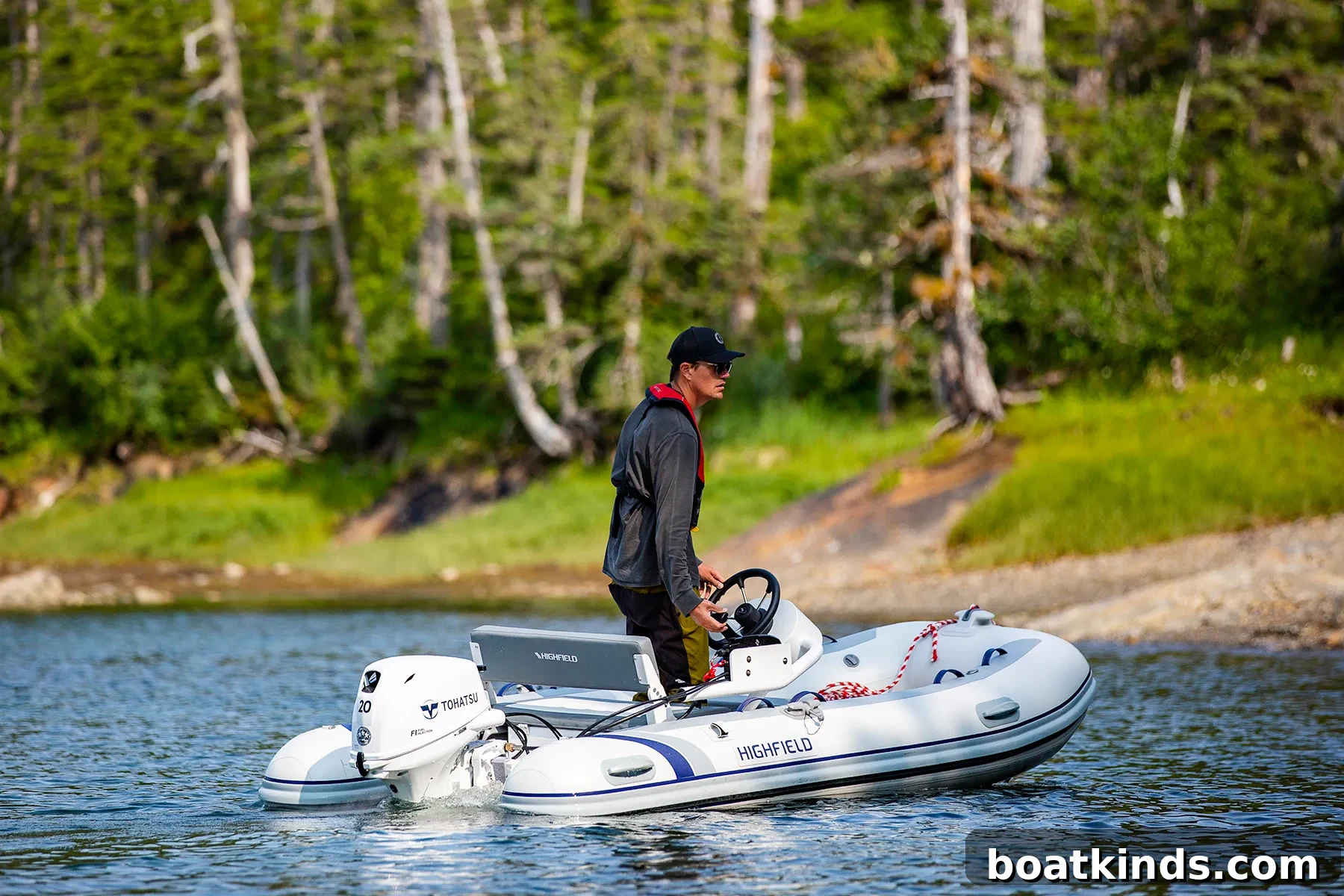
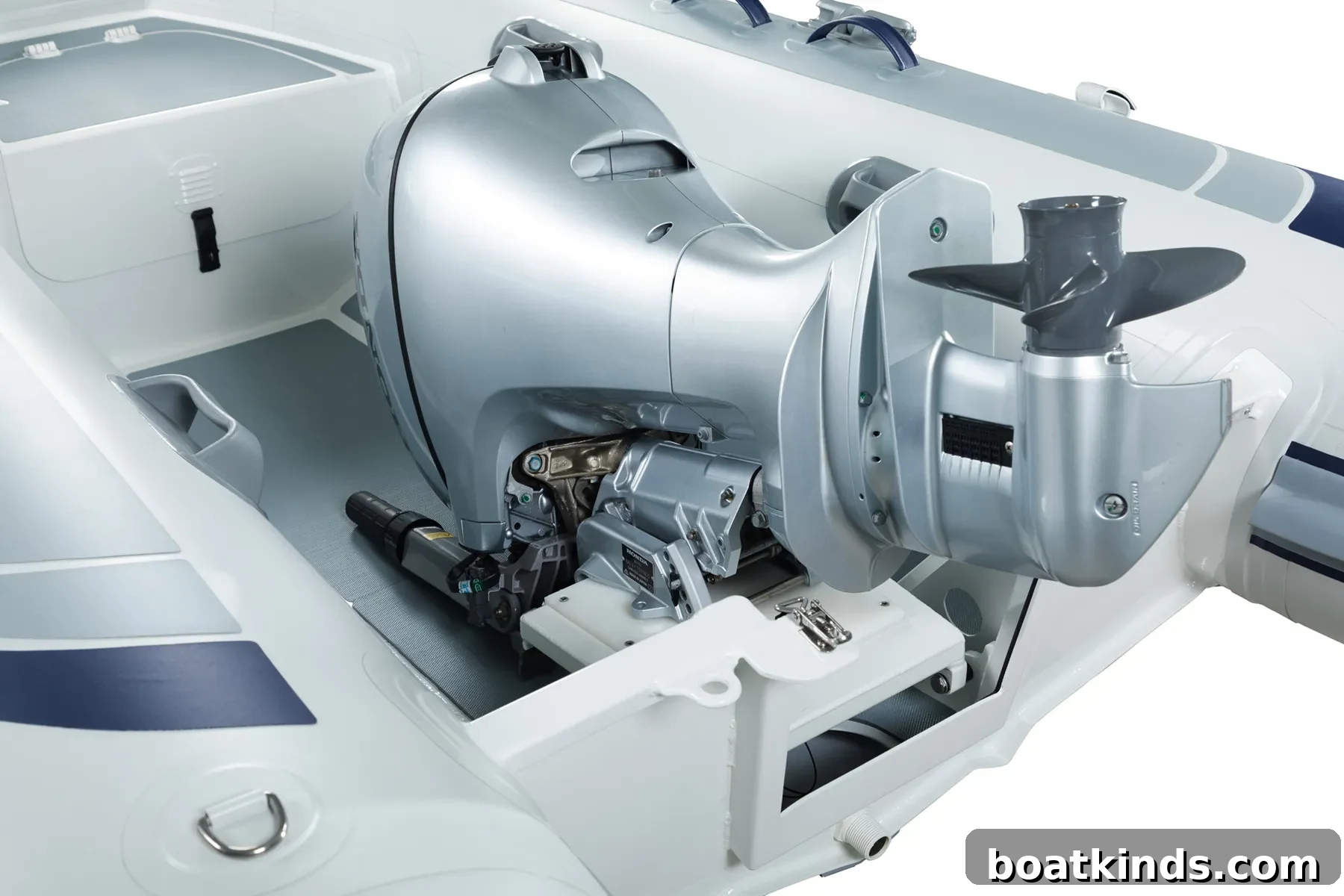
Some builders offer clever features to ease stowage. For example, Highfield’s FT (fold-in transom) option for certain aluminum RIBs lets you tip the outboard farther into the boat so the motor’s lower unit doesn’t protrude past the tubes. That saves valuable garage or platform space and reduces the hassle of motor removal. If you’ll be keeping a tender in chocks on deck or on a stern platform, check the tender’s packed dimensions and weight against the lifting gear and space aboard your boat.
Many sailors find a roll-up inflatable with an air floor or an aluminum-panel floor the most practical. An air floor is lighter and more comfortable to kneel on but is vulnerable to punctures from anchors or sharp objects. An aluminum floor is stiffer and better suited for larger motors, though it adds weight. For example, an air-floor version of a 10’2″ model may weigh about 85 pounds, whereas the identical hull with an aluminum floor can weigh around 119 pounds—an important factor when considering how you’ll get it back on board.
WHAT MATERIAL IS BEST?
High-quality inflatable tubes are typically made from Hypalon (a composite often called CSM) or PVC. Hypalon consists of a polyester base with a synthetic rubber exterior and is valued for abrasion, chemical, fuel and UV resistance—important in sunny climates. PVC is lighter, more airtight and less expensive, but more susceptible to UV damage unless protected; it performs well in cooler, lower-UV regions.
Construction matters: PVC seams should be welded rather than glued, and Hypalon seams are commonly glued. Premium PVC fabrics, such as Mehler Valmex, offer better longevity, while less expensive PVC can underperform. In short, choose material suited to your climate and intended use, and favor reputable manufacturers for long-term satisfaction.
There’s no reason to be without a tender. Whatever size or style of boat you own, a practical tender is available—pick the one that matches your stowage, handling and use-case needs, and ask the right questions when shopping.
WHERE’S THE JUICE?
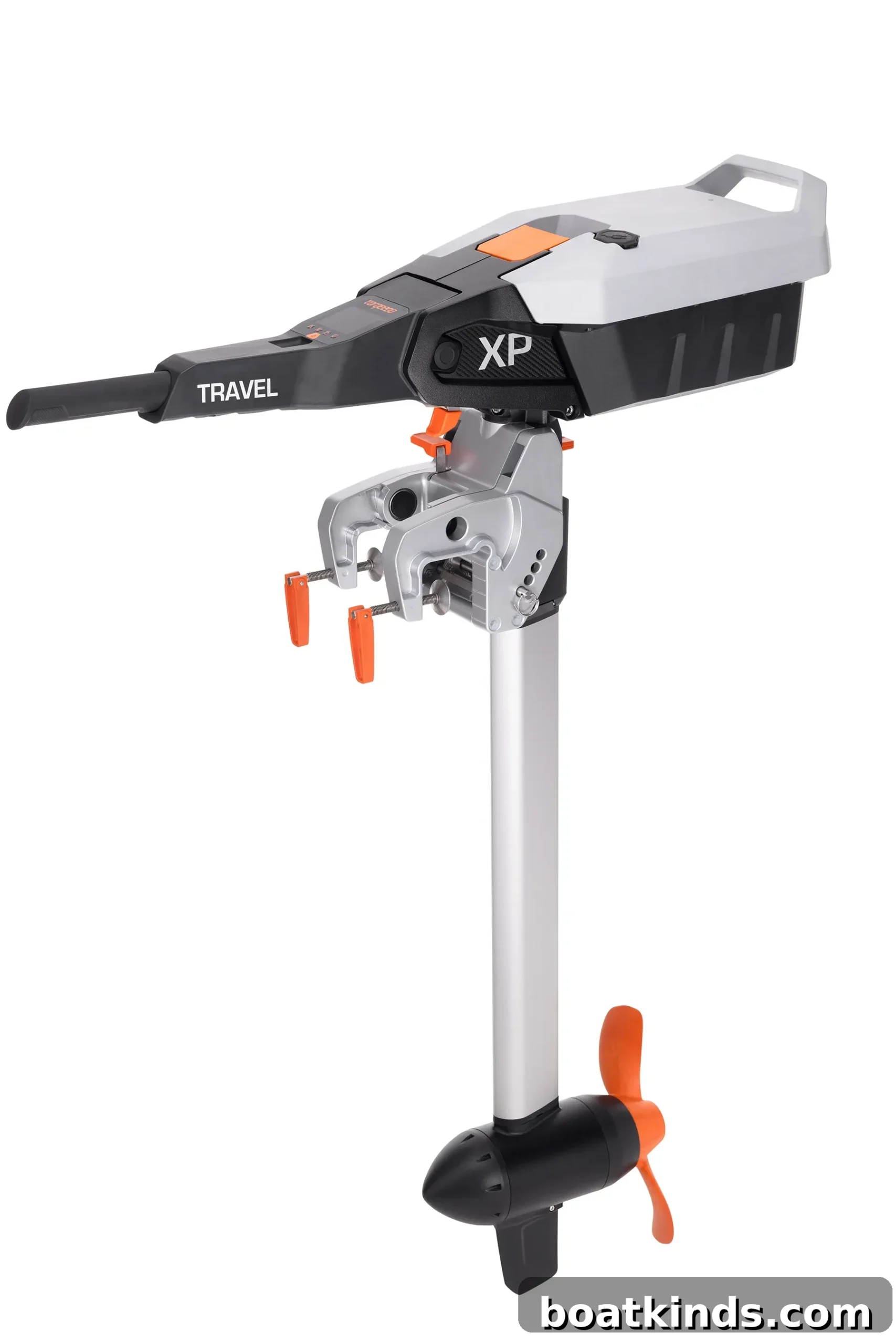
Inflatables don’t row well, so most owners add a small outboard. For tender work, horsepower needs are modest and small outboards are easy to manage. If you have a way to recharge, electric outboards are an attractive option: lightweight, quiet and eliminating the need to carry gasoline. Modern electric units can replace a small gas motor; for example, a 1,600-watt electric travel motor can perform like a 5-hp gasoline outboard for typical tender duties and run around an hour and a half at half throttle. Other manufacturers offer higher-capacity electric drives and dedicated battery systems that extend range and speed for larger tenders.
Some builders now offer factory-integrated electric RIBs. One example is a nearly 12-foot Hypalon-and-aluminum RIB available with one or two battery packs and charger gear; with a single pack it weighs several hundred pounds and will require davits. At harbor speeds electric tenders can achieve long ranges, while larger electric RIBs paired with high-capacity batteries are being developed for greater speed and endurance. As electric propulsion advances, expect more choices in coming seasons for those who want quieter, cleaner tender power.
This article was originally published in the May 2024 issue.