
Damage Control on Boats: Preventing and Managing Flooding

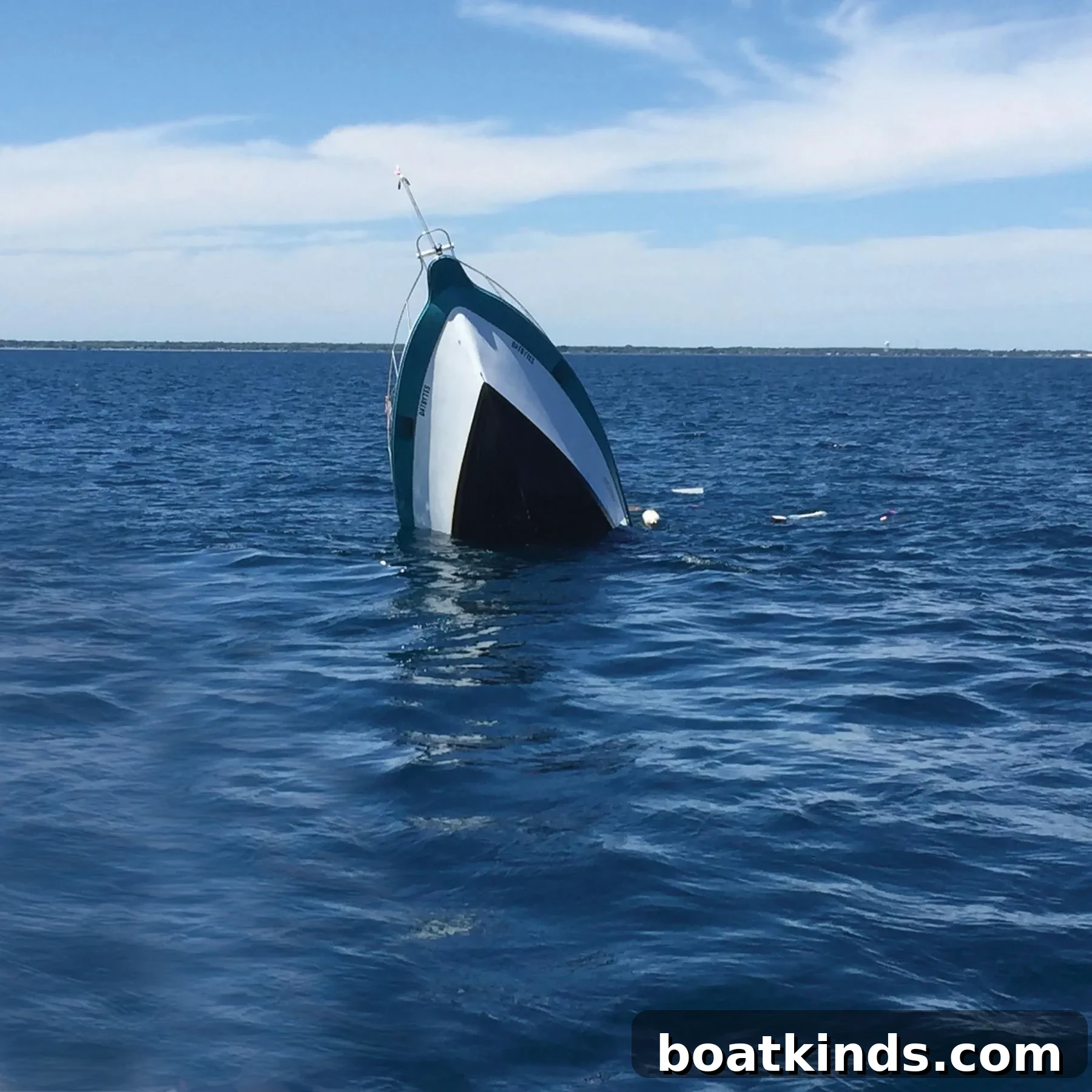
The phrase “damage control” often brings to mind dramatic submarine scenes from the film Das Boot: men waist-deep in water, fighting to stop ruptured pipes while the sea threatens to overwhelm the vessel. In everyday boating, flooding is rarely that cinematic, but it is still serious. Most of us deal with prevention, preparation and the occasional small emergency rather than catastrophic hull breaches — though grounding, collision or combat damage are distinct problems that deserve their own planning.
Flooding should not surprise us because boats are inherently full of potential entry points for water. Through-hull fittings and penetrations are necessary for propulsion, cooling, sanitation and electronics: propeller shafts, engine cooling intakes, generator cooling, saltwater heads, depth sounders, speed logs, mechanical bilge pumps and wash-down hose connections. Refrigeration intakes and watermakers add more openings. Each of these is a potential source of ingress, and even well-maintained systems can fail.
Many hull penetrations have seacocks or shutoff valves to isolate a failed hose or fitting — effective only if you can reach and operate them before the fitting is submerged. A few basic rules improve your chances of preventing a small leak from becoming a catastrophe:
- Know exactly where every seacock and through-hull valve is located and what it controls. Make sure they are quickly accessible from the deck or cockpit.
- Keep seacocks maintained so they will operate under load. Corroded or frozen valves are useless in an emergency.
- Use at least two high-quality hose clamps on each hose end and retighten them periodically; this common-sense step prevents many failures.
- Replace marine hoses on a schedule. Hoses age internally and can fail without visible warning.
- Consider closing nonessential seacocks when leaving the boat unattended, but only if you reliably remember to reopen them before starting engines or systems.
To make these measures effective, write them down. Checklists and logs are not glamorous, but memory is fallible — even more so for boat owners who juggle many tasks. If it isn’t on a checklist, it may be forgotten at the worst possible moment.
Not every hull aperture can be fitted with a seacock. Prop shafts, transducers and some sensors sit below the waterline and can be subject to significant inlet pressure if they fail. If a transducer or shaft seal lets go, the immediate priority is stopping or slowing the inflow long enough to pump and effect a repair. Short-term fixes include driving a tapered wooden plug into a transducer hole, stuffing rags or cushions around a leaking shaft, or wedging malleable material into a breach to reduce flow. A more advanced option is constructing a temporary cofferdam — a braced enclosure filled with hydraulic cement or similar material — to resist pressure, though this requires planning and materials most cruisers won’t carry. If all else fails and conditions allow, deliberately grounding the vessel in a safe location may preserve lives and allow repairs ashore.
If you cannot fully stop the leak, the goal becomes buying time: keep pumps running and ensure they are capable of handling the inflow. Redundancy is essential. Too many incidents begin with a failed primary pump and no usable backup because someone neglected routine checks or spare parts. Even powerful pumps are useless if water cannot reach them; keep limber holes clear and bilges free of clutter.
Clear bilges and proper stowage are simple but vital flood-prevention steps. Items like laundry bags, paper products, rags or loose storage can be sucked into pump intakes, blocking flow. I’ve heard of a laundry sack that blocked a bilge pump and a roll of toilet paper that disintegrated and destroyed a pump motor — both situations left the boat vulnerable and could have been avoided by sensible stowage.
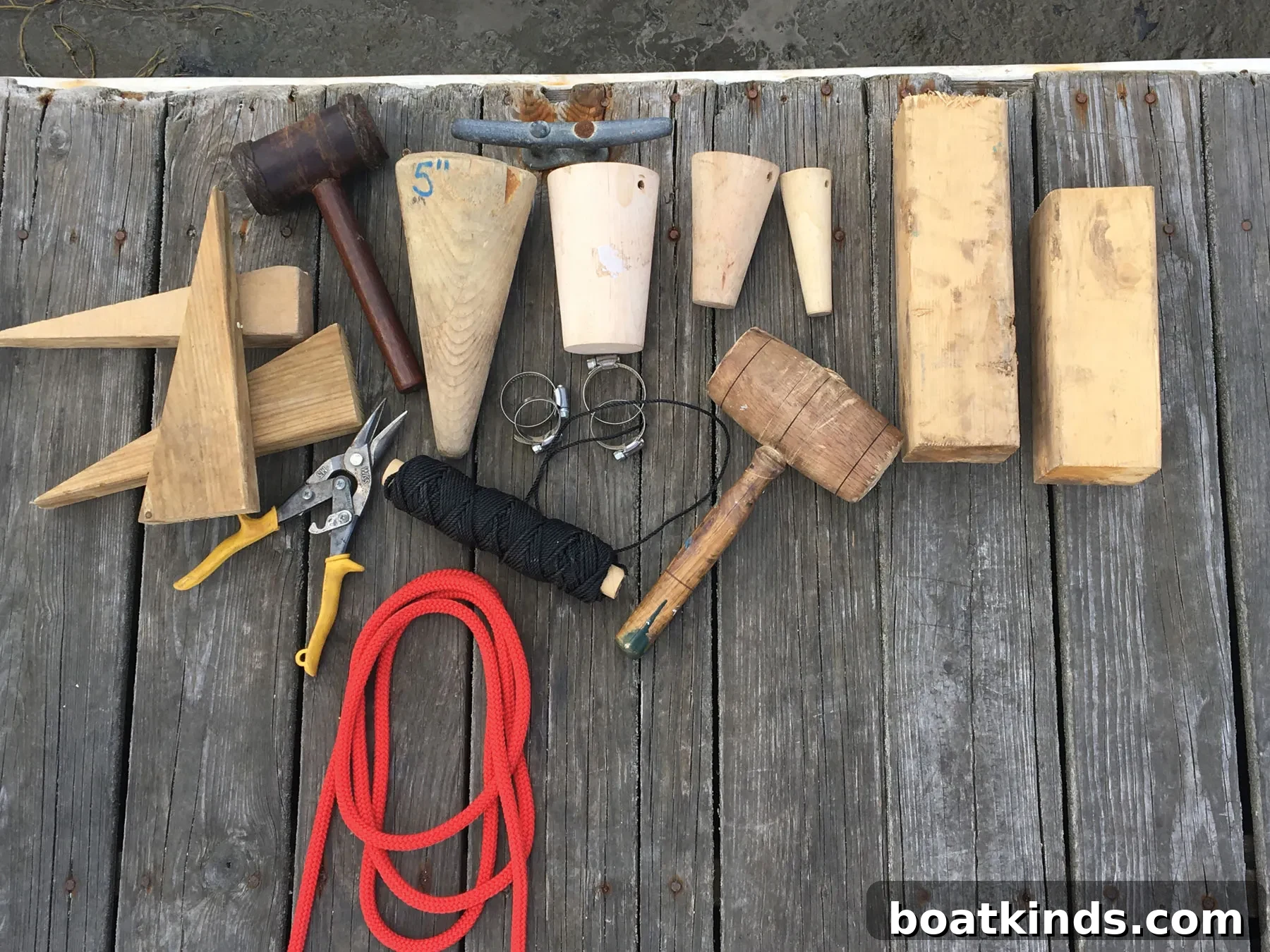
Equip your boat with basic damage-control gear and keep those items readily accessible. Useful items include a set of tapered soft-wood plugs sized to your through-hulls, wedges, pieces of 2×4 or 4×4 for bracing, a saw to trim wood, and a mallet to seat plugs. Small sheets of plywood and planks for shoring are helpful. Tether damage-control plugs to their corresponding fittings with durable lanyards so you don’t waste time searching for the right plug in an emergency.
Also carry materials for improvised gaskets (neoprene or rubber from an old tube), spare hose clamps, replacement hose, marine sealant, heavy-duty duct tape, twine and a basic assortment of tools. Keep critical spare parts for pumps — diaphragms, impellers and gaskets — and never underestimate the value of a bucket.
Time matters. Early detection gives you options, so consider installing bilge alarms if you haven’t already. Bilge alarms are inexpensive, common on commercial vessels for decades, and effective at alerting you before a small leak becomes dangerous.
There’s a common irony: a boat freshly returned to the water after an overhaul can be most vulnerable, because reassembled components sometimes leak. Prop shafts, stuffing boxes, through-hull fittings and transducers are frequent trouble spots after a yard job. I’ve witnessed two significant prop-shaft leaks after launch — one went unnoticed until the vessel was far offshore; another went undetected until the mechanical bilge pump and engine were submerged at 3 a.m. In that case a bucket brigade was the only immediate remedy. These incidents highlight the value of vigilance after maintenance.
No single tool or tip guarantees success in every flooding scenario. But thinking through realistic countermeasures appropriate to your boat and operation, keeping simple repair and pumping gear aboard, maintaining systems and practicing response procedures will dramatically improve your odds. A calm, prepared skipper with the right kit and a clear plan can turn an emergency into a manageable problem.
This article originally appeared in the November 2017 issue.