
Seven Essential Books on Boating Safety and Survival
I used to be a voracious reader. From my mid-twenties through the end of my Coast Guard career in 2013 I averaged about a book a week. I expected retirement to give me even more time for reading, but somehow I’ve let that habit slip. The truth is I have as much free time as I ever did—I’m just not using it well.
Reading changed the way I think about risk, planning and what matters most. It created its own space in my life and made many decisions clearer. So I made a resolution: to return to serious reading and relearn things with the curiosity of a beginner. If you spend time on the water, some of the books that influenced me are especially valuable for safety, survival and seamanship. Below are seven essential titles every boater should consider adding to their shelf. (See my full list for more recommendations.)
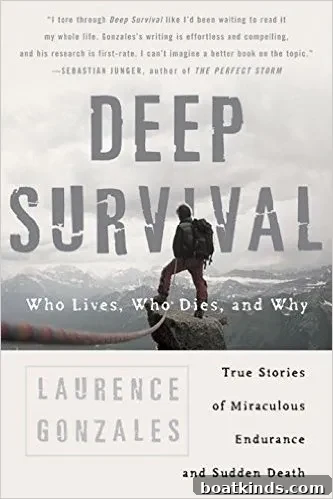
Deep Survival: Who Lives, Who Dies and Why, by Laurence Gonzales.
This book is foundational for understanding how the mind reacts in life‑and‑death situations. Gonzales blends psychology, history and case studies to show why some people survive extreme events while others don’t. I’ve read it several times, marked it up, and given copies to friends and students. The insights here will change how you plan, assess risk, and respond under pressure—making it required reading for anyone serious about safety at sea.
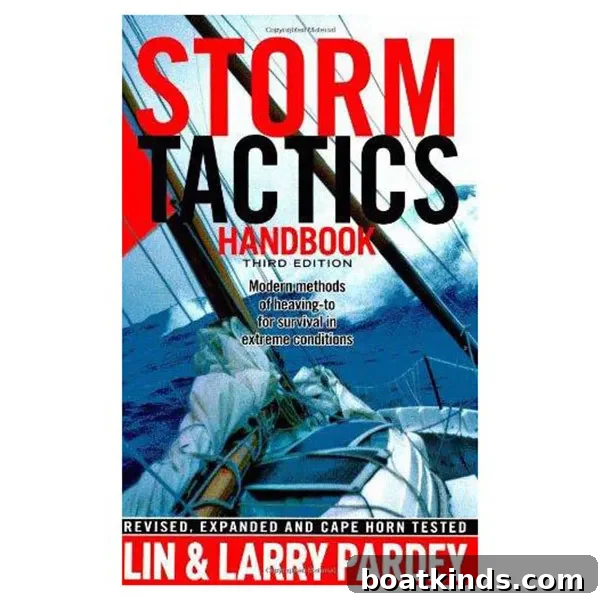
Storm Tactics Handbook: Modern Methods of Heaving‑To for Survival in Extreme Conditions, Third Edition, by Lin and Larry Pardey.
If you sail offshore and want practical, tested storm tactics, this is the book to read. The Pardeys share decades of hard‑earned experience about how to handle heavy weather, including techniques to heave‑to and ride out storms safely. Avoiding a storm is ideal, but when you can’t escape it, the tactics here can keep you and your vessel under control.

Secrets of Warmth for Comfort and Survival, by Hal Weiss.
Weiss offers clear, practical guidance on staying warm in exposed conditions—how to improvise insulation, choose effective fabrics, and use materials you may already have aboard. For anyone preparing survival gear or thinking about hypothermia prevention, this concise book is a valuable resource.
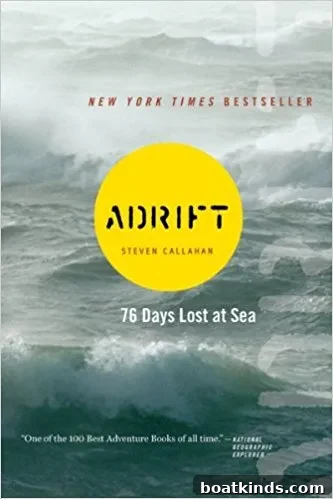
Adrift: Seventy‑Six Days Lost at Sea, by Steve Callahan.
Steve Callahan’s firsthand account of surviving alone in a life raft is brutally honest and humbling. His descriptions of physical hardship, solitude and the practical challenges of survival taught me things I’d never imagined—deserted of conveniences, people confront limits and resourcefulness in ways most of us never will. Reading Callahan’s ordeal is a powerful reminder to respect the sea and to prepare carefully.
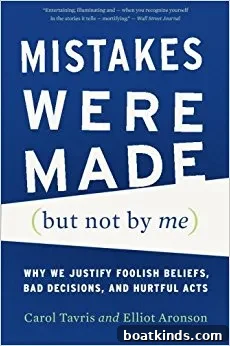
Mistakes Were Made (But Not By Me): Why We Justify Foolish Beliefs, Bad Decisions and Hurtful Acts, by Carol Tavris and Elliot Aronson.
Not a survival manual in the conventional sense, this book explores the cognitive biases and self‑justifications that lead people to double down on bad decisions. For mariners, recognizing how your mind rationalizes risk can prevent poor choices before they escalate. Tavris and Aronson teach readers to spot self‑deception and to pause when confidence outruns evidence—an essential skill when lives and boats are at stake.
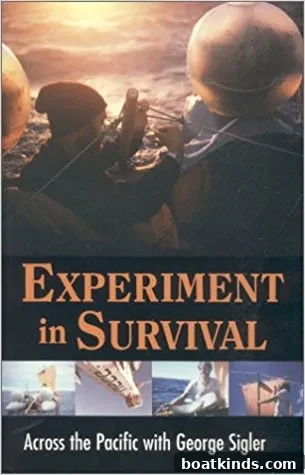
Experiments in Survival, by George Siglar.
Siglar’s account of surviving at sea with minimal supplies offers hard lessons in improvisation and endurance. While the prose can be uneven, the first‑hand observations are invaluable: the small details of decision making, rationing, and the unexpected technical realities of prolonged exposure on the open ocean. Real‑world narratives like this sharpen your situational awareness in ways theory cannot.
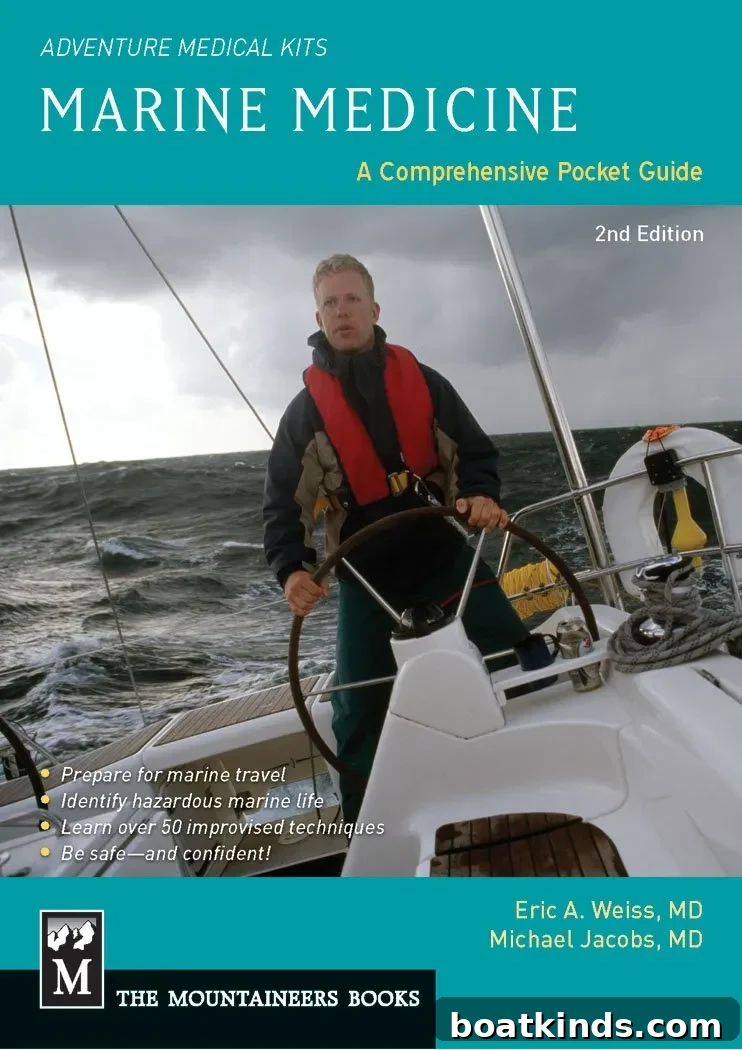
Marine Medicine: A Comprehensive Guide, Adventure Medical Kits, by Eric Weiss and Michael Jacobs.
Weiss and Jacobs are physicians experienced in remote and maritime medicine. This book is a practical handbook for on‑board medical emergencies—burns, trauma, fractures, dressings and when to improvise care far from help. It’s not light reading, but as a quick reference and training aid it belongs on any vessel that ventures beyond easy access to emergency services.
What’s your reading resolution? If you made it this far, you care about learning and safety. Add any of these titles you haven’t read to your list and make a plan to study them before your next season afloat. Books build knowledge, sharpen judgment and increase confidence—each of which improves your odds when things go wrong.
Happy New Year. Read widely, prepare deliberately, and I’ll be back soon with another practical piece for everyone who loves the water.