
Is the Anchor Becoming Obsolete for Fishing?
The short answer is: not entirely. As a general safety item, an anchor remains essential aboard any boat. But for anglers—especially those targeting bottom species like blackfish (tog)—new positioning technologies can reduce or even replace the need to deploy traditional anchors during fishing. Based on personal experience, these systems can save time, reduce physical effort, and dramatically improve precision when holding over small structure.
When I fished from an older center console, getting the boat exactly over a rockpile or the corner of a wreck often required two complete sets of ground tackle and a fair amount of work to set them correctly. For blackfish, those small corrections matter, and deploying anchors repeatedly was slow, wet, and sometimes backbreaking.
Digital Helms and Joystick Positioning
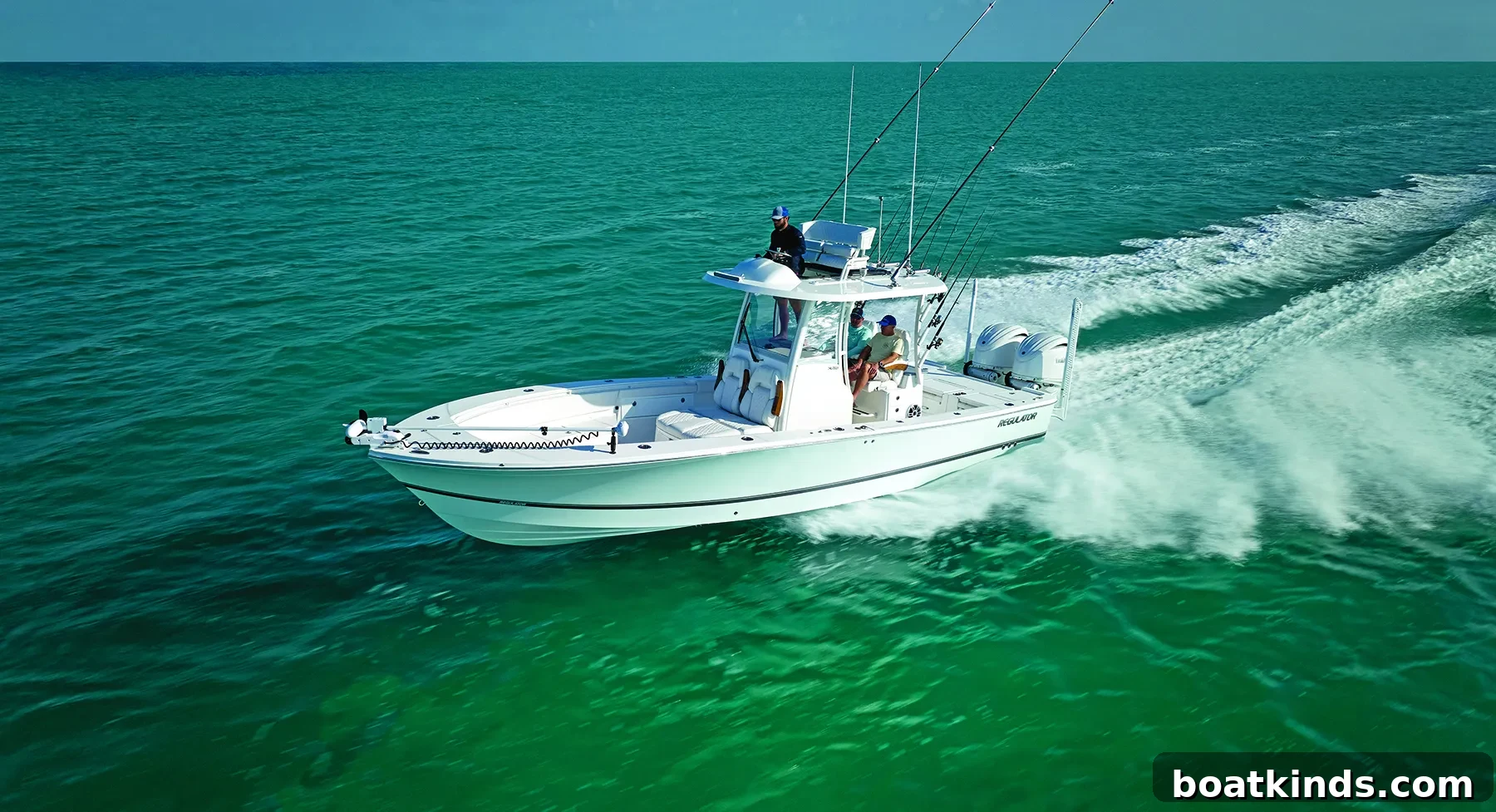
My new setup changed everything. I now fish from a 27-foot Pathfinder Open powered by a Yamaha F300 with electric steering and Yamaha’s Helm Master EX system, which includes joystick control and integrated autopilot. I also installed a Rhodan 120-pound-thrust electric trolling motor with its own internal GPS. Combined, these systems let me lock onto and hold a precise waypoint regardless of wind and current.
With the Helm Master joystick, I can engage FishPoint at the push of a button. The engine automatically points the boat into the wind or current and holds the exact position. If I want to move 20 feet to port, I simply nudge the joystick and the boat sidles over, then re-engages position-hold. The same goes for starboard, forward or rearward adjustments. For anglers, this level of control is transformative: you spend more time fishing and less time wrestling anchors and rode. Digital helm systems of this type are available from major outboard manufacturers such as Yamaha and Mercury, and they offer numerous fishing-specific features that serious anglers will appreciate.
Trolling Motors with GPS Position Hold
Trolling motors have evolved from freshwater bass tools into robust, marinized systems ideal for saltwater fishing. My Rhodan motor deploys from the bow in about 60 seconds and is controlled by a handheld remote on a lanyard. Once the boat is on the spot I want, I press “A” for Anchor Mode and the motor maintains the waypoint automatically. It adjusts direction and thrust to counteract wind and current, keeping the boat effectively glued to the chosen position.
These motors are remarkably stealthy and especially useful in shallower water where a conventional anchor or an engine-driven approach might spook fish. I’ve even had tog come up directly beneath the motor head in as little as 25 feet of water—apparently unaffected by the presence of the motor. To reposition, I use simple remote buttons to move forward, back, or sideways; the remote control makes fine adjustments quick and precise.
Power-Pole and Other Shallow-Water Anchors
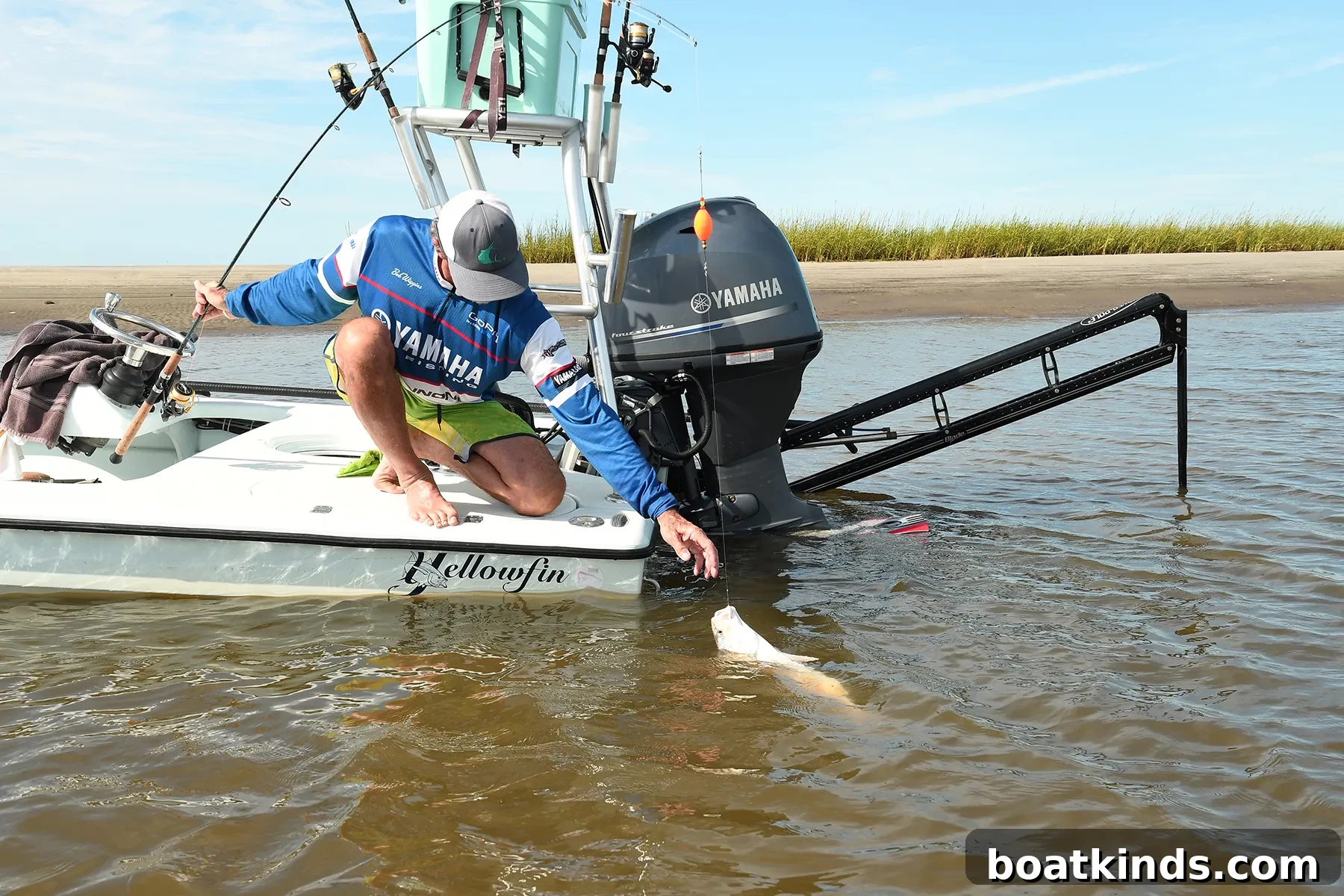
For anglers who fish shallow bays, flats, or freshwater lakes, dedicated shallow-water anchoring systems—Power-Pole and the Minn Kota Talon, for example—remain very popular. They use a spike or blade driven into the bottom to hold a boat in place quietly and quickly. The Power-Pole Blade typically reaches down to about 10 feet, while the Minn Kota Talon is rated to around 8 feet. Installed as a pair—one on each side of the transom—these systems can be especially effective for sight-casting and flats work.
They’re straightforward to operate with lanyard remotes or control panels mounted around the boat and are a good option if your fishing primarily keeps you in shallow depths where their range is appropriate.
Which Option Is Right for You?
If you’re buying a new boat or repowering an existing one, consider integrating an electronic helm with joystick control. The convenience, precision, and safety benefits are substantial. But if retrofitting a full digital helm is impractical, adding a modern trolling motor with internal GPS and position-hold is a relatively simple upgrade that can be installed on most boats and delivers many of the same advantages.
I’ve seen these setups work on surprisingly large boats. On a recent trip off Atlantic City, New Jersey, Capt. Frank Crescitelli’s 35-foot Contender stayed locked over tiny pieces of structure while we caught numerous blackfish—without ever touching the anchor locker—thanks to a Minn Kota trolling motor and steady seamanship.
So is the anchor obsolete for fishing? For my style of bottom-fishing, the anchor has been largely replaced by electronic position-hold systems and powerful trolling motors. Many anglers appear to be making the same choice. That said, an anchor remains an important backup and safety tool—so keep one aboard—but for day-to-day fishing over structure, newer technologies have made anchoring far less necessary.
This article was originally published in the August 2023 issue.