
Diesel Outboards Gain Traction: Axopar 37 Trials with Cox CXO300
Diesel outboard engines are increasingly attracting attention across several boat segments. Recent trials installing twin Cox Powertrain CXO300 diesel outboards on an Axopar 37 illustrate the practical benefits and trade-offs of diesel propulsion for modern recreational and utility boats.
Test Program and Sea Trials
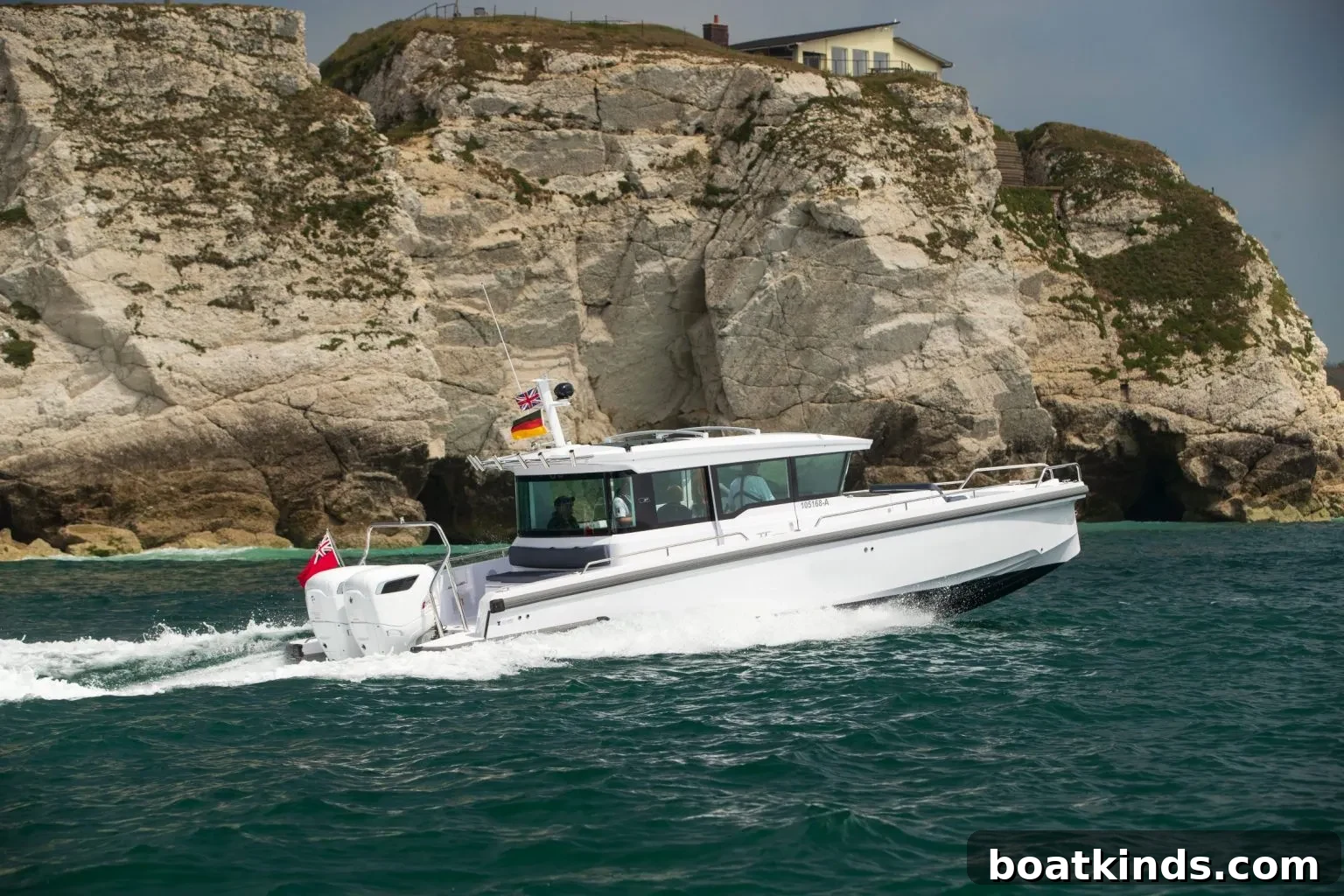
The British diesel outboard manufacturer Cox Powertrain, together with its German distributor Diesel Power and Axopar dealer Boote Polch, commissioned a twin CXO300 installation on an Axopar 37. Sea trials were conducted in Lymington, England, where the boat ran in smooth to moderate seas. During those trials the twin CXO300 setup recorded fuel consumption of 37.51 gallons per hour at 4,000 rpm and achieved a top speed of 41 knots.
Additional testing on the Mosel River in Germany, under calm conditions, produced higher top speed figures: the Axopar 37 reached 46.3 knots at 3,900 rpm. Those measurements offer a useful comparison of real-world performance across different conditions and validate diesel outboard capability on a performance-oriented hull.
Efficiency, Emissions and Range Benefits
Cox reports that the CXO300 delivers roughly 25% better fuel efficiency than similarly rated gasoline outboards, along with 20–35% lower CO2 emissions. The CXO300 is also said to provide more torque at lower rpm and an expected service life approximately three times that of comparable gasoline outboards. Those attributes translate into extended cruising range, reduced operating costs over the life of the engine, and improved low-end drivability—important factors for both tenders and larger boating applications.
Practical logistics also point to advantages: diesel outboards allow operators to carry a single fuel type aboard. That simplifies provisioning for boats that already run diesel generators or main engines, eliminates the need to transport gasoline on diesel-powered yachts, and reduces risks associated with the higher volatility of gasoline.
Weight, Cost and Total Ownership
Diesel outboards typically weigh more and have a higher upfront cost per horsepower compared with gasoline outboards. However, the longer expected operating lifetime, combined with lower fuel use and emissions, can make total cost of ownership favorable over time. For buyers focused on durability, fuel economy and long-distance cruising, these trade-offs often justify the initial premium.
Other Manufacturers Embracing Diesel Outboards
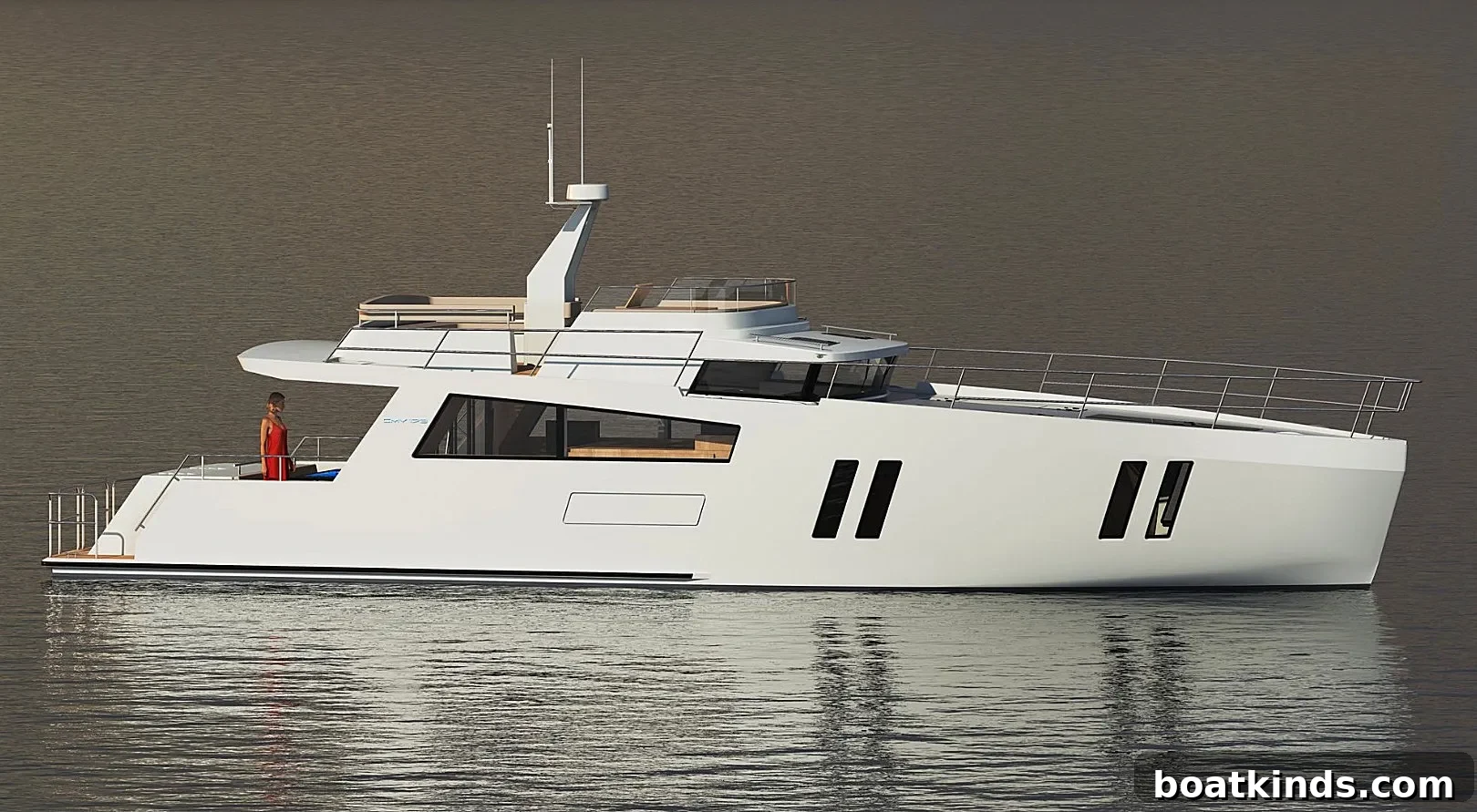
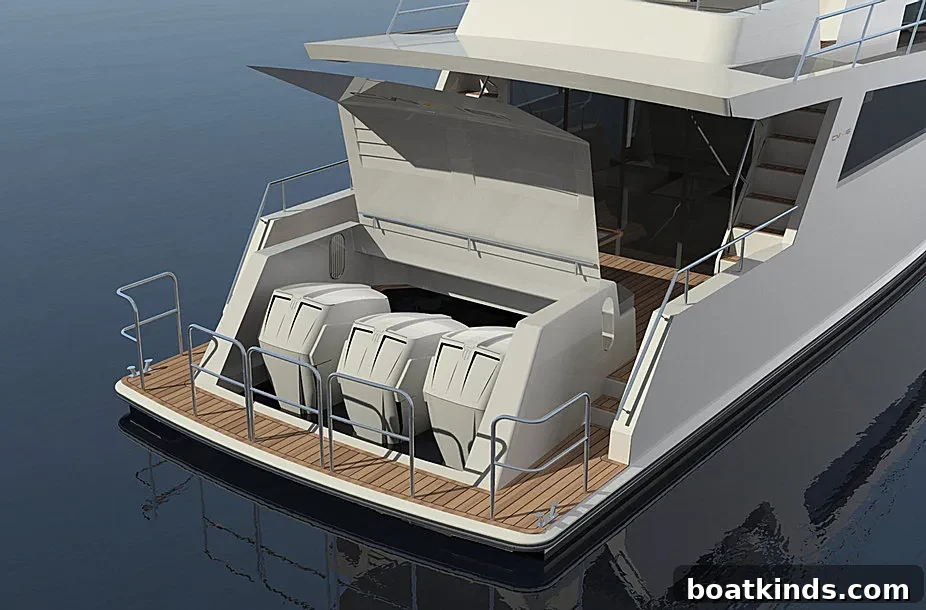
Axopar is not the only maker moving toward diesel outboard options. Finnish start-up Compact Mega Yachts (CMY) is developing two cruiser models to be powered exclusively by triple 300-hp diesel outboards from Swedish manufacturer OXE. CMY highlights an “adaptable powering” concept: a computer control system decides whether to run one, two or all three engines based on efficiency and balance, and any engine not in use is automatically lifted clear of the water to reduce drag.
OXE’s outboards are marinized versions of BMW’s 3.0-liter, six-cylinder automotive engines. Like the Cox units, OXE promotes higher torque, improved fuel economy and lower emissions compared with gasoline outboards. CMY claims that, on larger yachts, diesel outboards can be substantially more efficient; OXE has suggested its 300-hp units can use up to 40% less fuel than comparable gasoline engines.
Installation and Servicing Considerations
CMY plans to house the OXE outboards in dedicated lockers on the transom. This arrangement allows maintenance access by lowering the engines for front-end service, while gearbox and propeller work can be carried out from the swim platform when the units are raised. For boat designers and owners, such installation concepts help integrate diesel outboards into cruiser layouts without compromising serviceability.
Market Implications and Use Cases
According to Peter Nauwerck, Managing Director at Diesel Power AB, “the combination of the Axopar 37 and the CXO300 diesel outboard is attractive for many market segments including the boat tender sector, geographical markets with a limited availability of gasoline and also for those looking for a dramatically improved range.”
Diesel outboards appear particularly well suited to operators who prioritize long-range cruising, single-fuel logistics, robust low-rpm torque and lower lifecycle emissions. They also offer compelling benefits for larger tenders, workboats and yachts operating where gasoline supply is scarce or where diesel infrastructure is already in place.
Outlook
The trend toward diesel outboards is gaining momentum as manufacturers refine marinized diesel powerplants and boatbuilders adopt installation strategies that address weight, balance and maintenance. CMY’s first diesel-outboard-powered cruiser was scheduled for launch in 2022, marking an early commercial step in this direction. As data from real-world trials like the Axopar 37 installation accumulates, owners and designers will have clearer evidence to weigh the operational and economic trade-offs of diesel versus gasoline outboard propulsion.