
Boating Boom Since the Pandemic: New Boaters, Rising Assistance Calls, and How to Stay Safe
The Covid-19 pandemic brought an unexpected benefit to the boating world: a steady stream of new boaters discovering the appeal of open water and socially distanced recreation. This influx has helped support the marine industry during uncertain economic times, but it has also created new challenges on busy waterways. Less experienced operators learning the ropes have contributed to a noticeable increase in on-water assistance requests, presenting safety concerns for both newcomers and veteran boaters alike.
More Calls for Help: What the Numbers Show
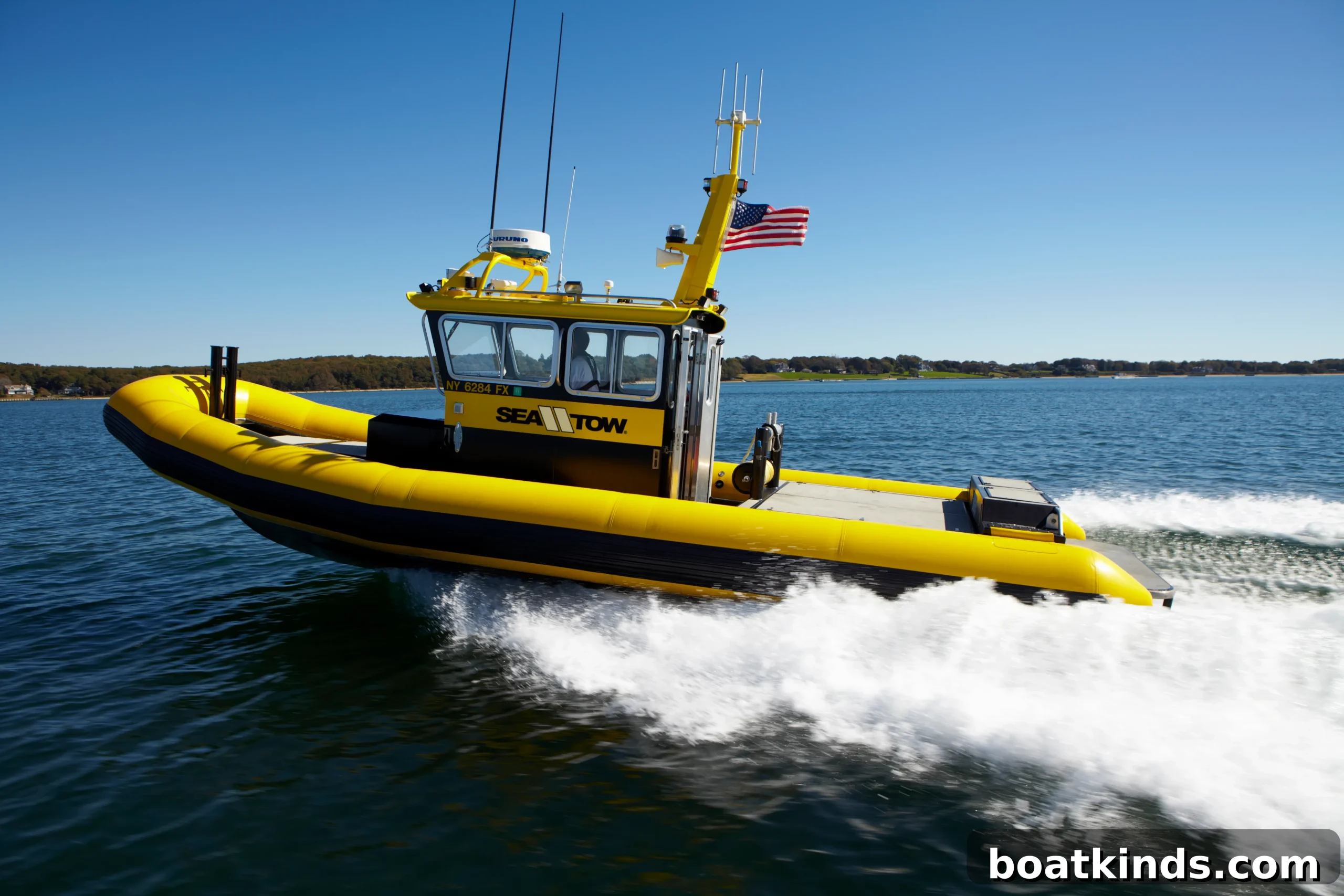
Sea Tow Services reports a 34 percent increase in on-water assistance requests between Memorial Day and Labor Day this year compared to the same period last year. Captains with Sea Tow helped more than 60,000 people over the summer season. The nature of those calls highlights common problems for newer operators and boat owners:
- Towing made up 58 percent of assistance requests — a sign that mechanical failures, running aground, and other incidents requiring a tow remain the most frequent issues.
- Groundings accounted for 9 percent of calls, reflecting navigation errors, unfamiliarity with local waters, or challenging conditions in shallow areas.
- Jumpstarts, fuel deliveries, and dock-to-dock towing each represented about 8 percent of requests, pointing to battery failures, fuel miscalculations, and docking difficulties as frequent causes for assistance.
Why New Boaters Struggle
Boating is intuitively appealing, but it combines mechanical, navigational, and seamanship skills that take time to develop. New boaters commonly face issues such as:
- Insufficient pre-departure checks, resulting in dead batteries, low fuel, or overlooked mechanical problems.
- Limited familiarity with local charts, tides, currents, and shoal locations, increasing the risk of groundings.
- Inexperience with docking and close-quarters maneuvering, which can lead to collisions or calls for dock-to-dock assistance.
- Underestimating weather changes and how they affect handling and safety on the water.
Practical Tips to Reduce On-Water Assistance Calls
Whether you’re a new boater or returning to boating after a long break, adopting a few simple habits can greatly reduce the chance of needing help and improve safety for everyone on the water.
1. Perform thorough pre-departure checks
Inspect batteries, fuel levels, bilge pumps, engine oil, and essential electronics before leaving the dock. Confirm that safety gear—life jackets, fire extinguishers, flares, and a functioning VHF radio or other means of communication—is aboard and readily accessible.
2. Plan the trip and file a float plan
Study charts and local navigation markers, check tide and current tables if relevant, and discuss your route and expected return time with someone ashore. A simple float plan increases the likelihood of timely assistance if something goes wrong.
3. Learn basic seamanship and navigation
Enroll in a reputable boating safety course to learn docking techniques, rules of the road, chart reading, and how to react to common emergencies. Many organizations and local marine centers offer hands-on training that builds confidence and skill faster than trial-and-error on the water.
4. Maintain equipment and carry backups
Regular engine maintenance dramatically lowers the odds of a tow. Carry a spare fuel container when appropriate, have jumper cables or a portable battery pack, and keep essential tools and replacement parts on board.
5. Practice good fueling and battery habits
Check fuel gauges before heading out and refuel when convenient rather than waiting until levels are low. Secure batteries and ensure charging systems are functioning to avoid being stranded with a dead electrical system.
6. Respect local rules and conditions
Obey speed limits, pay attention to buoys and markers, and adjust plans when weather or visibility deteriorates. When in doubt, head to shelter and seek advice from experienced local boaters or marina staff.
How the Boating Community Can Help
Experienced boaters, instructors, and marina operators play a crucial role in welcoming newcomers and sharing knowledge. Offering hands-on guidance during short outings, mentoring programs, and community safety events helps reduce common mistakes and strengthens overall safety on the water. Industry organizations and publications continue to document trends and provide safety resources to support this growing community.
Bottom Line
Boating has become a popular and valuable form of recreation for many new participants since the pandemic. While that growth supports the marine industry, it has coincided with a meaningful increase in on-water assistance requests. By focusing on preparation, education, and basic maintenance, new and returning boaters can lower the likelihood of needing help, protect themselves and others, and make the most of time on the water.
For further reading on this trend, see related coverage in industry publications such as Soundings Trade Only.