
Tom Cunliffe is a sailor to the core and one of Britain’s most recognized nautical personalities. With decades of hands-on experience and a deep love for traditional seamanship, he writes and edits with authority and warmth, bringing the lessons of the sea to a wide readership.
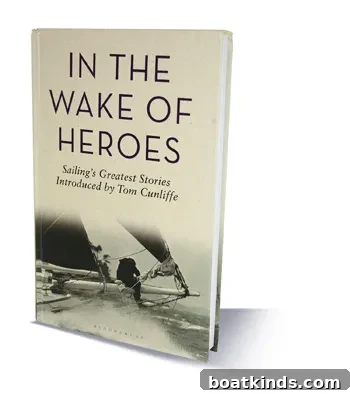
In The Wake of Heroes (Bloomsbury, $25) gathers 40 of Cunliffe’s favorite “Great Seamanship” columns from Britain’s Yachting World magazine into a single, carefully curated volume. Each excerpt is selected from classic yachting literature and is introduced by Cunliffe with concise, illuminating context about the original author and the passage that follows. The book is arranged thematically—Classic Yachting, Emergency, Long-Distance Cruising and Racing, Voyages Under Duress—so readers can easily find material that addresses specific skills, stories or situations. Illustrated throughout with photographs drawn both from the original books and from Cunliffe’s own archives, the collection is designed to be practical as well as inspirational, offering boaters a wealth of on-water wisdom, historic perspective and hard-won advice on how to handle demanding conditions and complex decisions afloat.
Downeast Maine by catboat
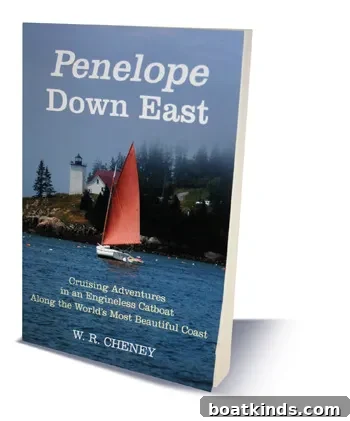
The rugged, island-strewn coast of Maine—famous for rocky shoals, iconic lighthouses and frequent fog—has long attracted cruisers who relish both challenge and solitude. Penelope Down East (Breakaway Books, $14) recounts W.R. Cheney’s decades of solo voyaging along that coast in his engineless Marshall 22 catboat, Penelope. Cheney writes with the plainspoken authority of someone who has spent years at sea alone, and his book combines vivid local description with steady, practical seamanship. He favors old-school navigation and the use of one’s senses—sound, feel and observation—to find a way through Maine’s frequent fog banks, while recommending that electronic aids be kept as backup rather than primary sense. Cheney’s approach to cruising is flexible and exploratory: “I like to keep my options open. The idea is to take advantage of changing conditions and follow whatever intriguing path opens up.” That philosophy, and the careful decision-making he demonstrates, makes his account useful reading for anyone planning coastal passages where changing weather and tight navigation demand experience, patience and good judgment.
A captain’s best friend
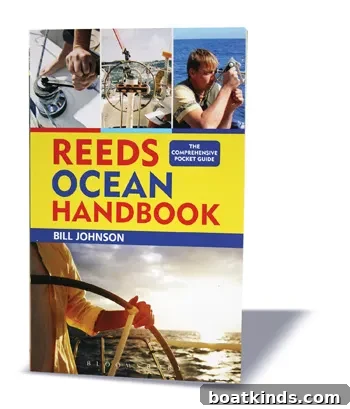
Reeds Ocean Handbook by Bill Johnson (Adlard Coles Nautical, $15) serves as a concise, practical handbook for sailors preparing to venture offshore. Sized to be a pocket reference and built with durability in mind, the book supports the Royal Yachting Association’s Ocean Yachtmaster course and is organized to help with navigation, weather interpretation and route planning. Beyond theory, it offers hands-on guidance for long-distance radio communications, passagemaking, provisioning and emergency preparedness. Color-coded sections make it easy to locate material on heavy weather tactics, traditional, celestial and electronic navigation methods, and the many facets of offshore voyaging. Useful reference tools such as a clear glossary and a subject index further improve its value for quick consultation while afloat or during voyage planning.
Taken together, these three books offer a complementary set of perspectives: Cunliffe’s anthology provides historic context, inspiring examples and seamanship philosophy; Cheney’s memoir supplies a quiet, experience-driven portrait of coastal cruising under sail; and Johnson’s handbook delivers concentrated, actionable guidance for sailors going offshore. Whether you are a weekend cruiser, a long-distance passage maker, or someone who simply appreciates well-told stories of seamanship, each title contributes useful knowledge and reassurance—reminding readers that careful preparation, respect for weather and a clear head are the foundations of safe and satisfying voyaging.
This article originally appeared in the February 2016 issue.