
The wind screamed in from the east at about 25 knots as we forged through the incoming tide funneling into North Carolina’s Barden Inlet. By the time we cleared the shoals, our crew felt like a pair of jeans tumbling through a washing machine. Still, weather or not, we had a mission: go fishing.
For many, a day like that is reason enough to stay ashore. But with the right boat—such as the North Carolina-built Jones Brothers Marine 23 we used to thread through that angry inlet—conditions like those are simply part of the job. Harsh inlets, sudden weather changes and long runs to Gulf Stream grounds helped shape the distinctive Carolina sportfishing boat. Over seven decades of regional boatbuilding, designers and builders developed hulls and features specifically to handle rough seas while keeping anglers dry, safe and comfortable. You’ll find that tradition of craftsmanship across eastern North Carolina, from Wanchese to the Albemarle Sound, where custom center consoles, convertibles and walkarounds are made the Carolina way. Following are several builders who have become synonymous with those durable, seaworthy boats.
REGULATOR MARINE
Joan Maxwell didn’t grow up chasing fish or dreaming about boats, but today she and her husband Owen run Regulator Marine in Edenton—one of the world’s most respected manufacturers of offshore center consoles. Joan recalls a modest childhood boat used for shrimping and says she only really learned to love fishing after meeting Owen, a committed angler. The couple’s idea to build boats took shape at a fly-in in Oshkosh in 1988. With the help of naval architects Lou Codega and Mike Russell, they developed the original Regulator 26 center console.
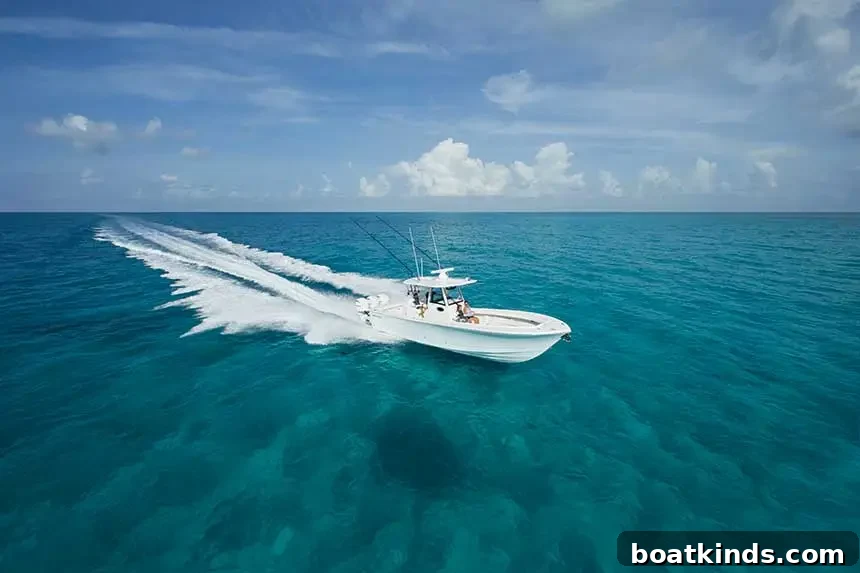
The company expanded its lineup from that first model to a family of center consoles designed for a safe, dry, comfortable ride. Regulator’s distinctive Carolina traits—a pronounced, widely flared bow, deep-V hulls with sharp entries and ample transom deadrise—remain obvious across its nine-model range from 23 to 41 feet. Wide freeboard, spacious cockpits and meticulous build quality help Regulator boats perform in rough, sloppy seas. After three decades in the business, the company remains committed to center consoles and recently introduced XO crossover models—the 24XO and 26XO—that bridge coastal, near-shore and offshore capabilities on suitable days.
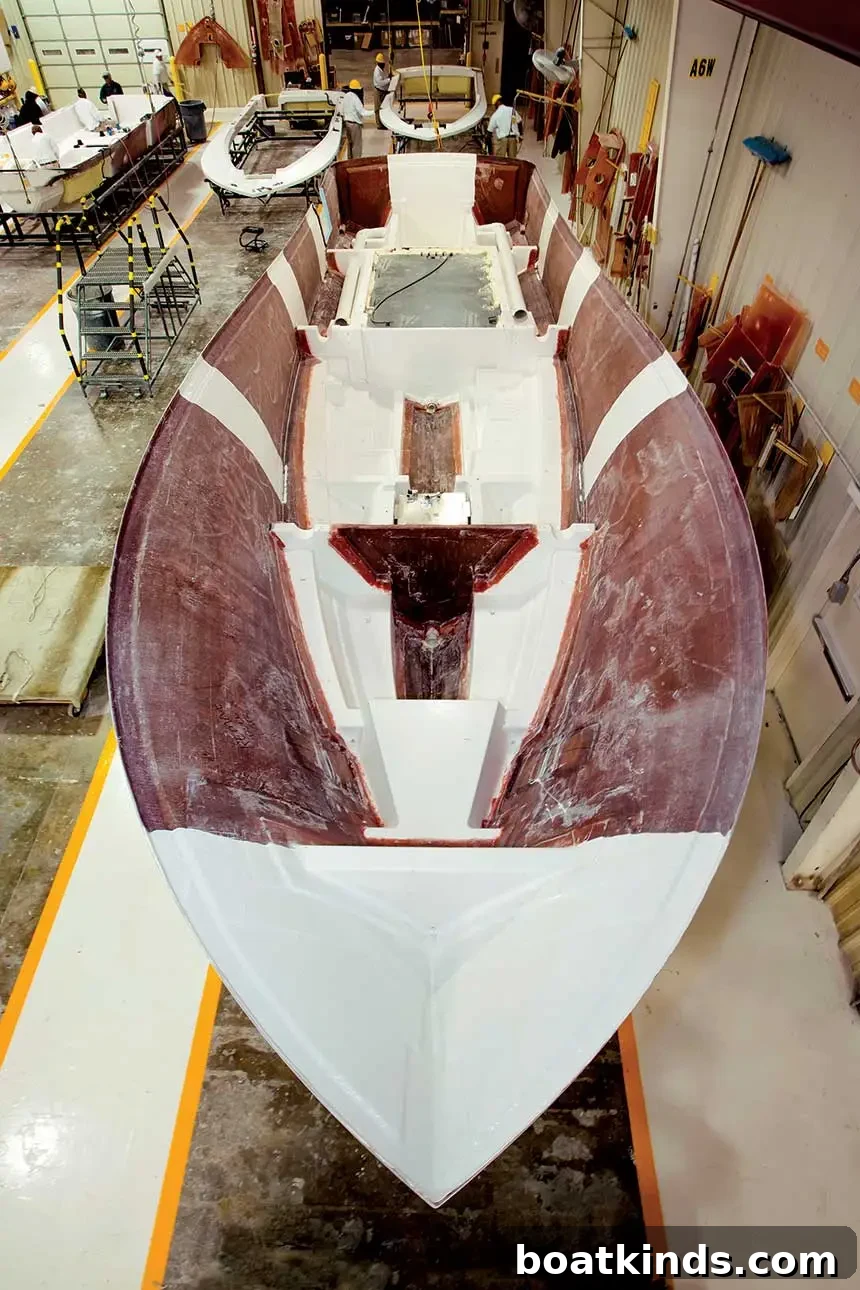
WINTER CUSTOM YACHTS
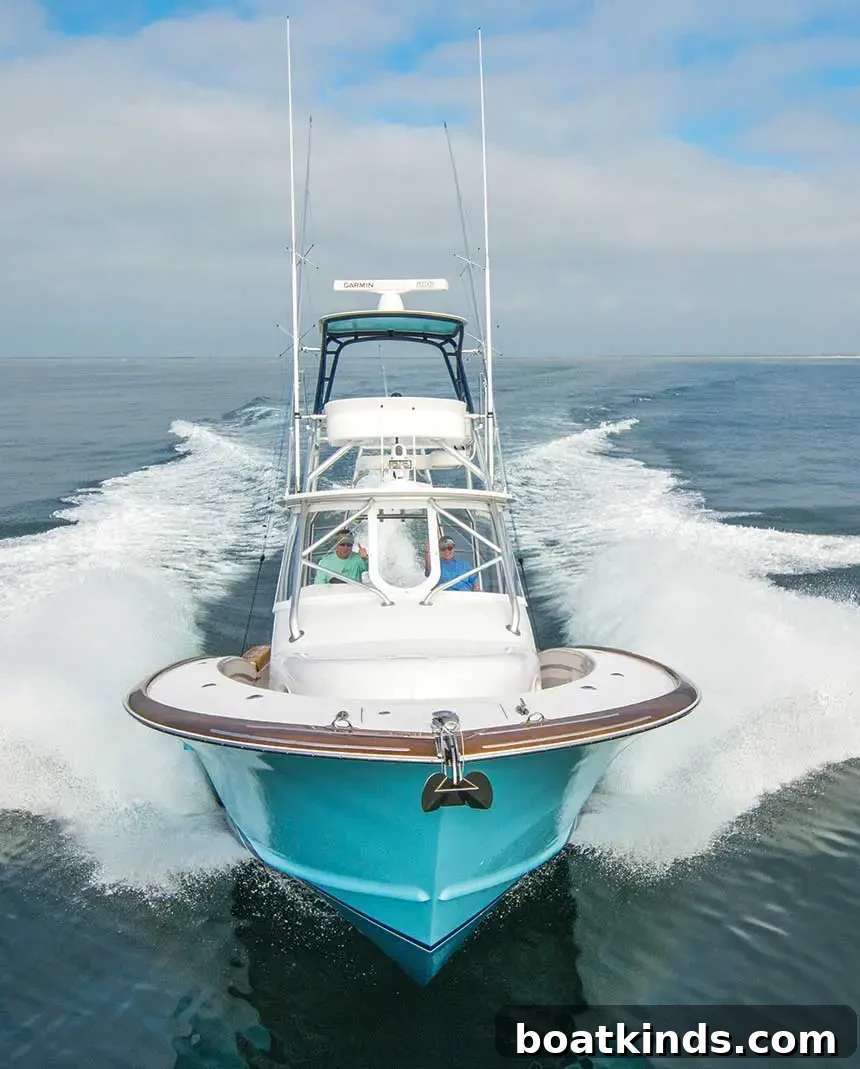
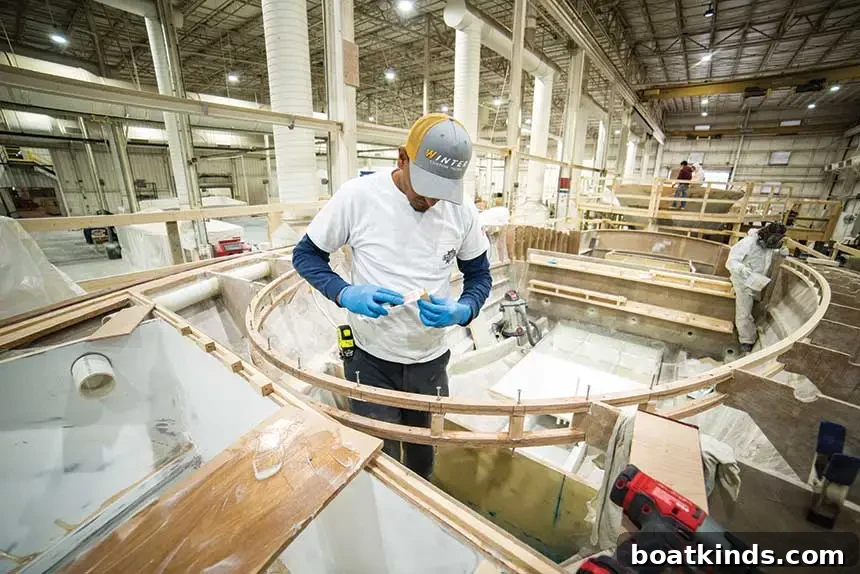
Tim Winters dreamed of building boats long before he ever set foot in a shipyard. After apprenticing at Shearline Boatworks and earning a mechanical engineering degree from NC State, he worked on large sportfish projects before starting Winter Custom Yachts in Hubert. His first hull, a 62-foot sportfish named Galot 3, launched in 2004, and since then Winters has built nearly 30 custom hulls ranging from flats boats and walkarounds to express boats, center consoles and convertibles.
Winters’ designs combine classic Carolina sportfishing lines with modern styling: softer curves paired with purposeful contemporary details that give each boat a distinctive profile. Current projects often include mid- to large-sized builds such as a 46-foot walkaround, a 50-foot outboard-powered express and a 63-foot convertible. Winters says obsessing over small details—fit, finish and balance—creates boats that not only look right but deliver exceptional ride and functionality on the water.
JARRETT BAY BOATWORKS
Randy Ramsey’s path to building high-end sportfishing yachts began in the cockpit. By 18 he had his U.S. Coast Guard captain’s license and was running paid charters. Dissatisfied with available boats, he and a partner started building their own. Guidance from experienced captains and access to proven bottom shapes helped Ramsey launch Jarrett Bay Boatworks in a rented shed; the company’s first hull, a cold-molded 52-foot sportfish named Sensation, launched in 1988 and remains in service as a charter boat.
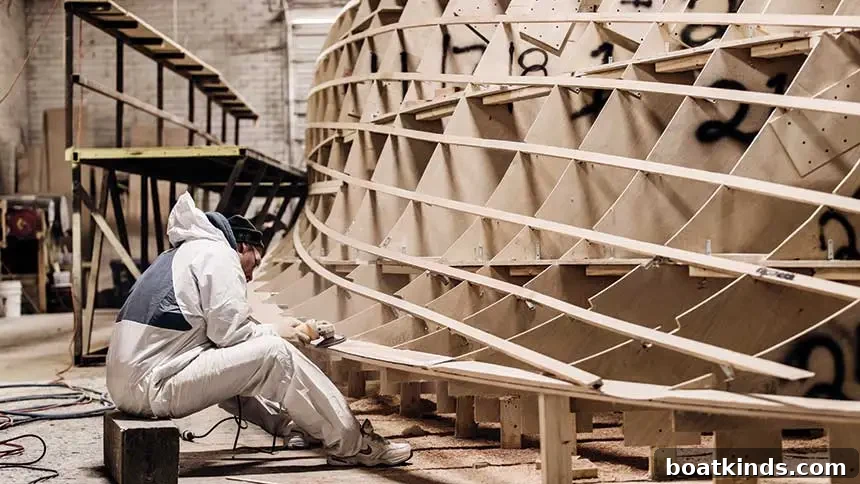
From modest beginnings, Jarrett Bay grew into a respected custom builder based in Beaufort with close to 70 hulls to its credit. Its portfolio includes high-tech, large-scale projects like the 90-foot convertible Jaruco, which used advanced materials, powerful engines and specialized components. Ramsey says technological advances and attention to detail travel from flagship projects into smaller builds, helping the company refine performance, comfort and reliability across its line.
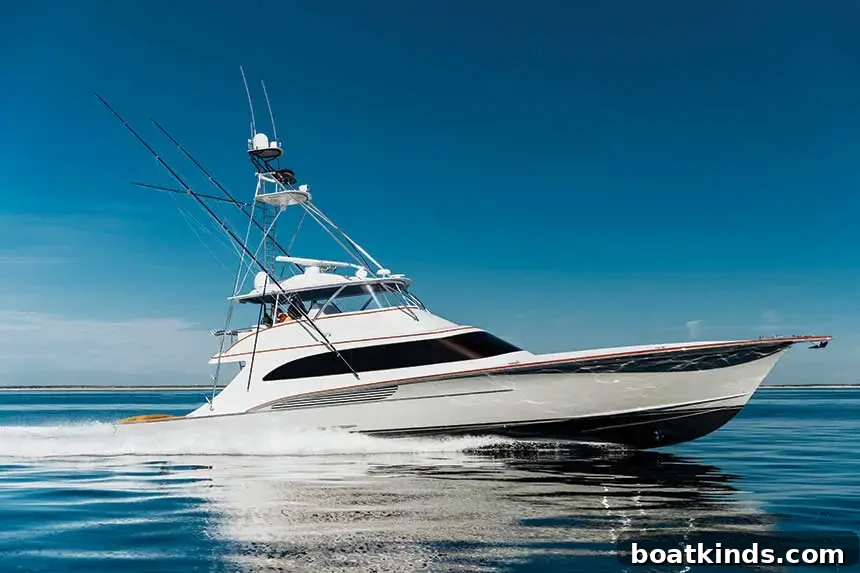
Jarrett Bay’s reputation rests on craftsmanship and a culture that values sweating the small stuff—designing boats that exceed customer expectations and incorporating technology where it enhances safety and performance.
HATTERAS YACHTS
Hatteras Yachts’ origin dates back to the 1950s, when textile manufacturer Willis Slane commissioned a fiberglass 41-foot convertible designed by Jack Hargrave to withstand the punishing seas off Cape Hatteras. That boat, Knit Wits, marked an early shift to fiberglass construction for larger sportfishing yachts.
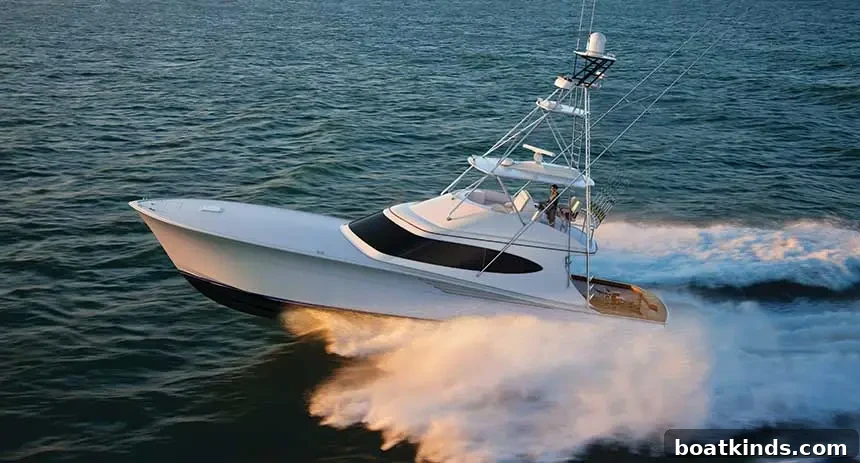
Today Hatteras builds luxury motoryachts from 60 to 105 feet and sportfishing yachts from 41 to 70 feet at its New Bern facility on the Neuse River. The company has long focused on ride, performance and quiet operation. In the 1980s Hatteras collaborated on multi-blade propeller development and introduced deep gears and large shafts to reduce noise and vibration while improving performance. More recently, Hatteras developed a patented hull tunnel air-induction system designed to reduce cavitation and further minimize noise and vibration.
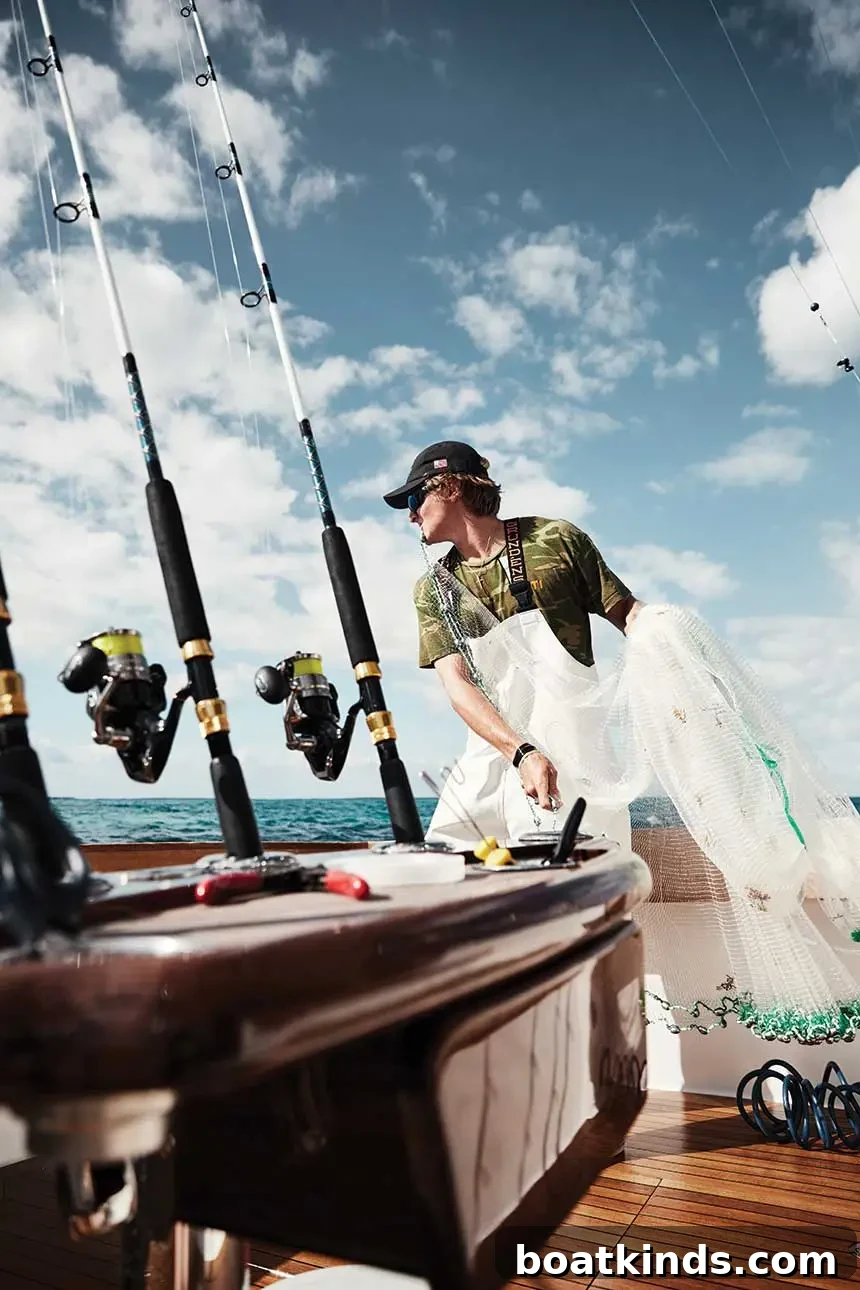
Despite changes in ownership over the years, Hatteras continues producing models that reflect the region’s boatbuilding heritage, including new GT models and Carolina convertibles that emphasize quality, seaworthiness and fit-and-finish.
JONES BROTHERS MARINE
When conditions turn nasty off Cape Lookout, you’ll often see center consoles from Jones Brothers Marine of Morehead City still fishing. Rob and Donnie Jones began building bateaus in the late 1980s for back-bay and coastal fishing, and those simple, rugged boats evolved into the V-bottom Cape Fisherman center consoles known for a dry, solid ride and uncluttered casting decks ideal for light-tackle and fly anglers.
In the early 1990s the Jones brothers developed the Cape Fisherman 1910 LT at the request of angler and conservationist Tom Earnhardt. The 19-foot center console was designed to carry fly-fishing gear and deliver a stable platform in rough coastal water. The design struck a chord, and the family expanded the line to include 18-, 20-, 23- and 26-foot models.
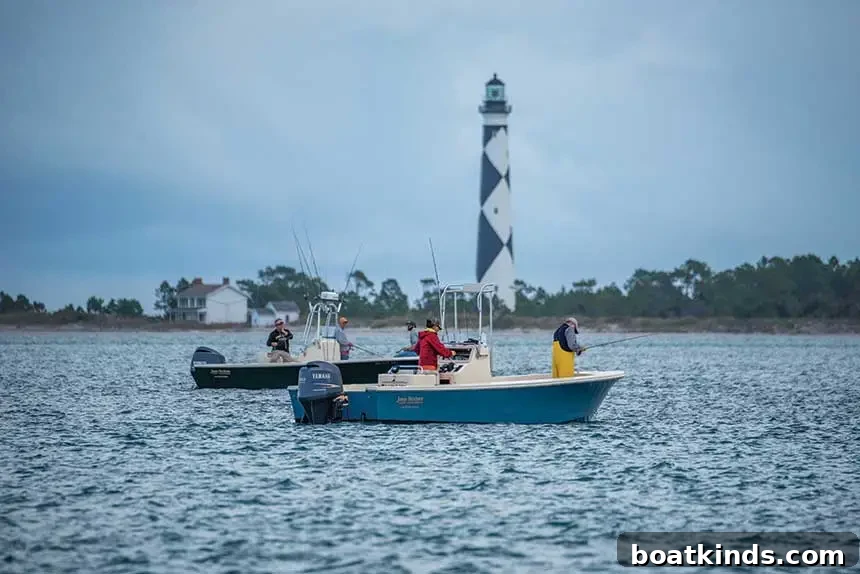
Today the 23-foot Cape Fisherman remains one of the company’s most popular models. Built with hand-laid fiberglass and robust composites, it’s a workboat that anglers can run hard day after day, rinse off with a hose and head back out. Guides like Capt. Brian Horsley praise the boat’s ability to get clients on fish when others must seek shelter—its ride and dependability are key reasons captains prefer it.
SPENCER YACHTS
Paul Spencer grew up in a family with deep Dare County roots and learned the charter business from the bottom up. Unable to afford a new boat, he built his own sportfish and launched his first 58-foot convertible in 1997. That boat sold quickly, and success in tournaments such as the White Marlin Open drew attention and orders, prompting Spencer to turn his boatbuilding into a business.
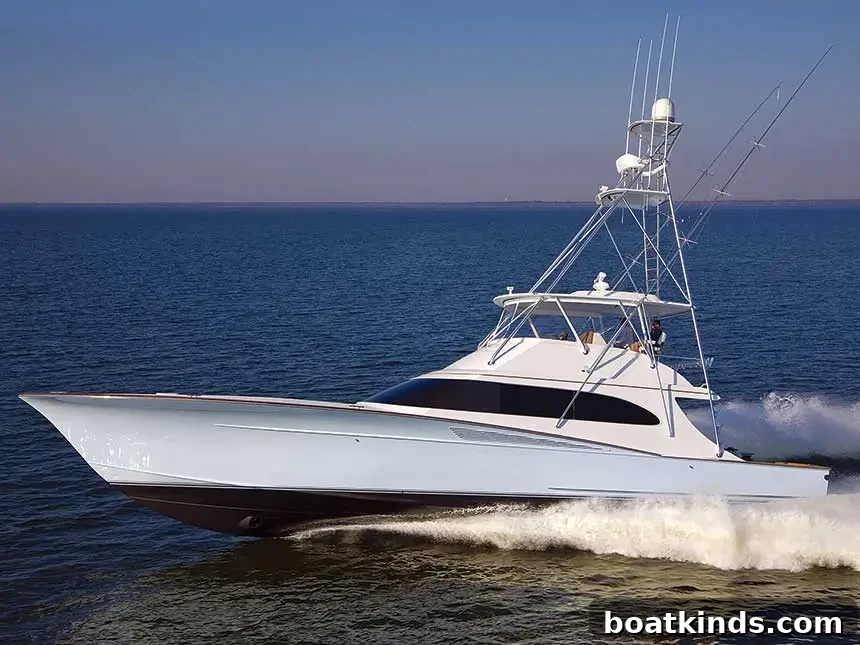
Spencer Yachts now approaches its 115th hull, producing convertibles from 60 to 87 feet and express models in the high 30s to mid-40s. Built in Wanchese near the Oregon Inlet fleet, Spencer’s boats emphasize performance, efficiency and a distinctive look. He and his team focus on long-term durability and fine craftsmanship so these boats can withstand years of hard use. From jigs to finish work, each build is a handcrafted effort centered on precision and longevity.
This article originally appeared in the June 2020 issue.