
I was meeting with 40 professional mariners to review man-overboard procedures in cold-water regions. Because most of them operate where the water stays below about 60°F for much of the year, I asked my favorite question: “If you go overboard in January wearing street clothes when the water is just above 33°F, how long until you become hypothermic?”
The most common answer from that experienced group was five minutes. I told them the truth: much of what people think they know about hypothermia and cold-water survival is wrong. Hypothermia is only one of several lethal effects of cold-water immersion, and it typically takes far longer to develop than most people expect.

There are four distinct physiological phases to cold-water immersion, and understanding them clarifies the real dangers of falling into cold water.
1) Cold shock response: This immediate phase lasts from about 30 seconds up to a few minutes. It causes a sudden spike in heart rate and blood pressure, an uncontrollable gasp, rapid breathing, and sometimes frantic movements. Cold shock alone can be deadly: roughly 20 percent of cold-water fatalities occur within the first two minutes. Panic, inhaling water during the initial gasp, or triggering a cardiac event in people with heart disease are common causes of very early deaths. Surviving this stage depends on controlling your breathing and staying as calm as possible until the reflexive response subsides.
2) Cold incapacitation: After the initial shock, the body conserves heat by constricting blood vessels in the arms and legs. This protective vasoconstriction makes the hands and feet numb and weak; muscles in the arms and legs lose function much sooner than the core loses heat. Long before your core temperature drops significantly, you may be unable to swim or keep your head above water. Without flotation, even strong swimmers can drown within 30 minutes. More than half of cold-water deaths are attributable to drowning that follows cold incapacitation, often without a significant drop in core temperature.
3) Hypothermia: True hypothermia—where the body’s core temperature falls dangerously low—does occur, but it accounts for a smaller share of cold-water fatalities, about 15 percent. Hypothermia usually develops only when a person is afloat or rescued but remains in cold conditions long enough for the core temperature to fall. In my own experience, I spent an hour in 44°F water wearing street clothes and my core temperature dropped by less than 2°F; I wasn’t clinically hypothermic. My body’s defenses—vasoconstriction and vigorous shivering—were effective. In fact, those responses generated enough heat that I briefly experienced a fever-like temperature 20 minutes after immersion. That said, water temperature, clothing, and body fat all influence the rate of cooling and the risk of hypothermia.
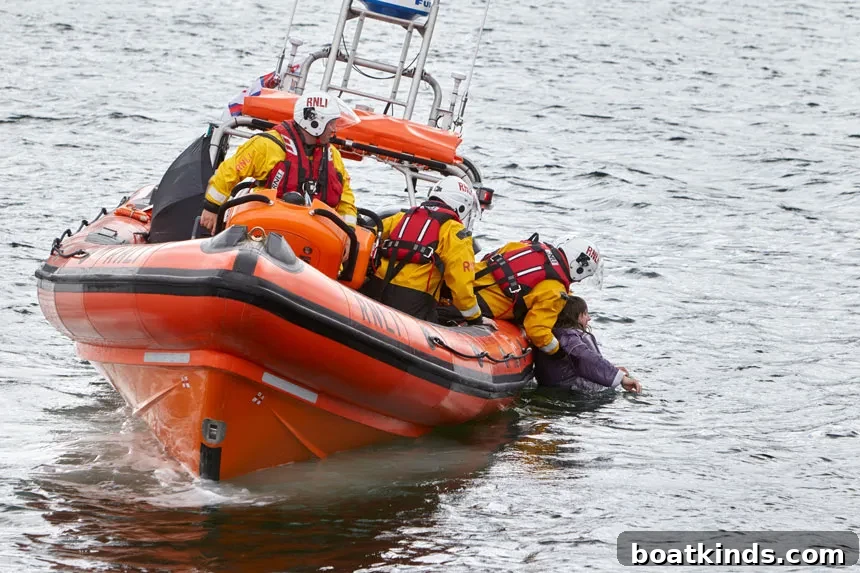
4) Circum-rescue collapse: This final, and often overlooked, danger can occur shortly before, during, or after rescue—and sometimes hours later. Victims who survived the immersion are vulnerable to fainting, ventricular fibrillation, or cardiac arrest when they are moved or exert themselves. Hypothermia impairs heart-rate variability—the heart’s ability to adapt to changes in demand—so even sitting up or standing can place excessive strain on a heart already stressed by cold. That is why a successful rescue does not end the risk: the rescued person can still collapse if handled improperly.
From many rescues I’ve been involved in, one non-negotiable rule emerged: once a cold-water survivor is aboard a helicopter or vessel, they should remain lying down until a physician or medical professional clears them to sit or stand. It may feel overly cautious, and survivors often protest because they feel warm and alert, but the body is fragile after immersion and movement can precipitate collapse.
TIPS
When operating where the water is below 60°F, prioritize prevention and prepare for rapid rescue.
- Always wear a reliable flotation device (PFD) when working on deck in cold-water environments.
- Keep a life ring or throwable flotation within immediate reach and ensure it is not tied down or stored out of reach. In a man-overboard situation, getting a life ring to the person quickly is the first and most critical action.
- Train for and practice cold-water man-overboard procedures regularly so your crew can control breathing, provide flotation, and execute an organized recovery without delay.
This article originally appeared in the December 2018 issue.