
How the Bahamas’ Private-Boat Quarantine Opened Safe Passage for Families During COVID-19
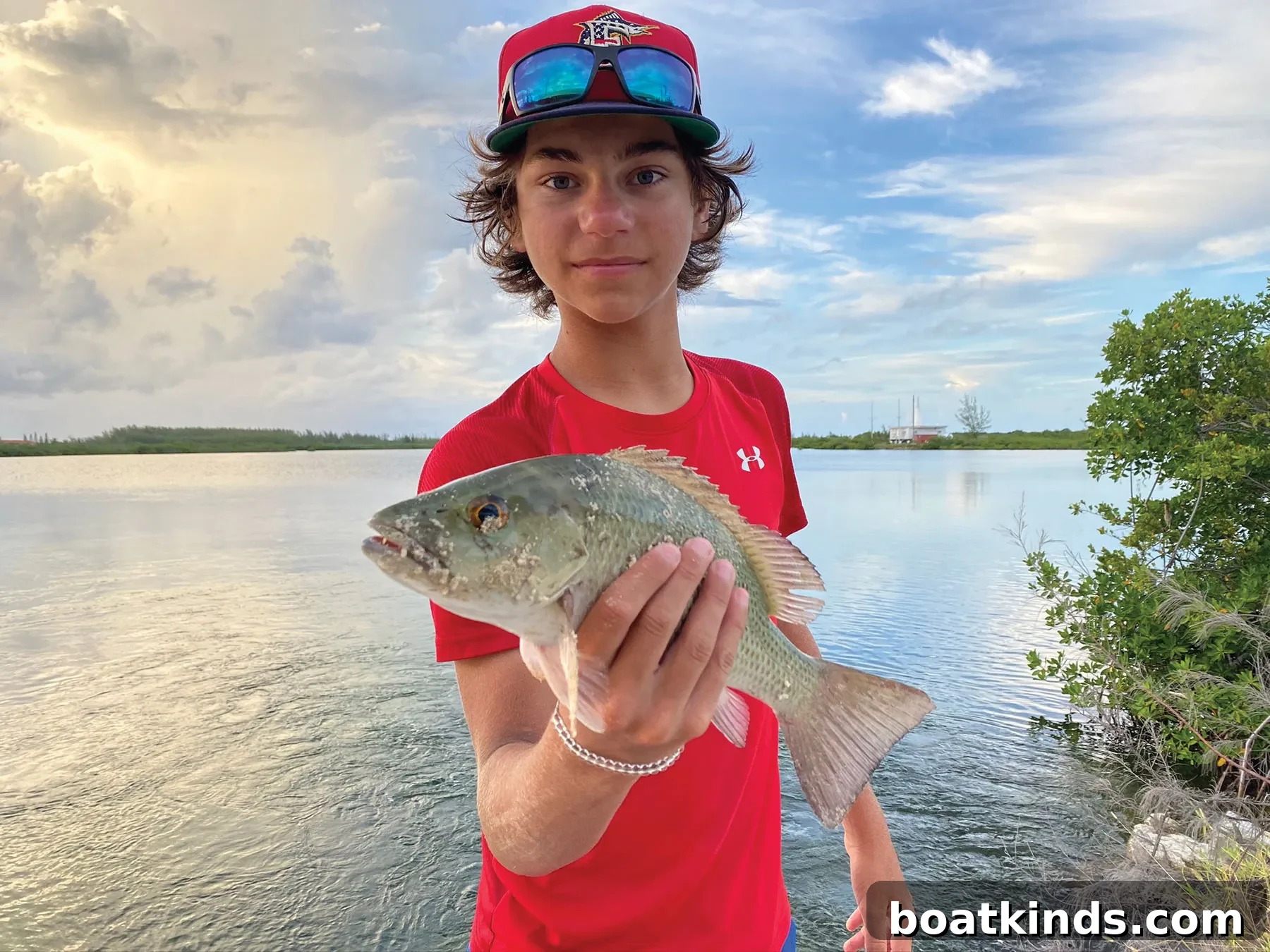
LeAnn Morris Pliske and her husband were at the end of their rope in Fort Lauderdale: stuck at home with their 12- and 13-year-old children and a couple of dogs, they needed space and fresh air. “I was losing my mind,” she says. “My kids were stir-crazy. We had to get out of here.”
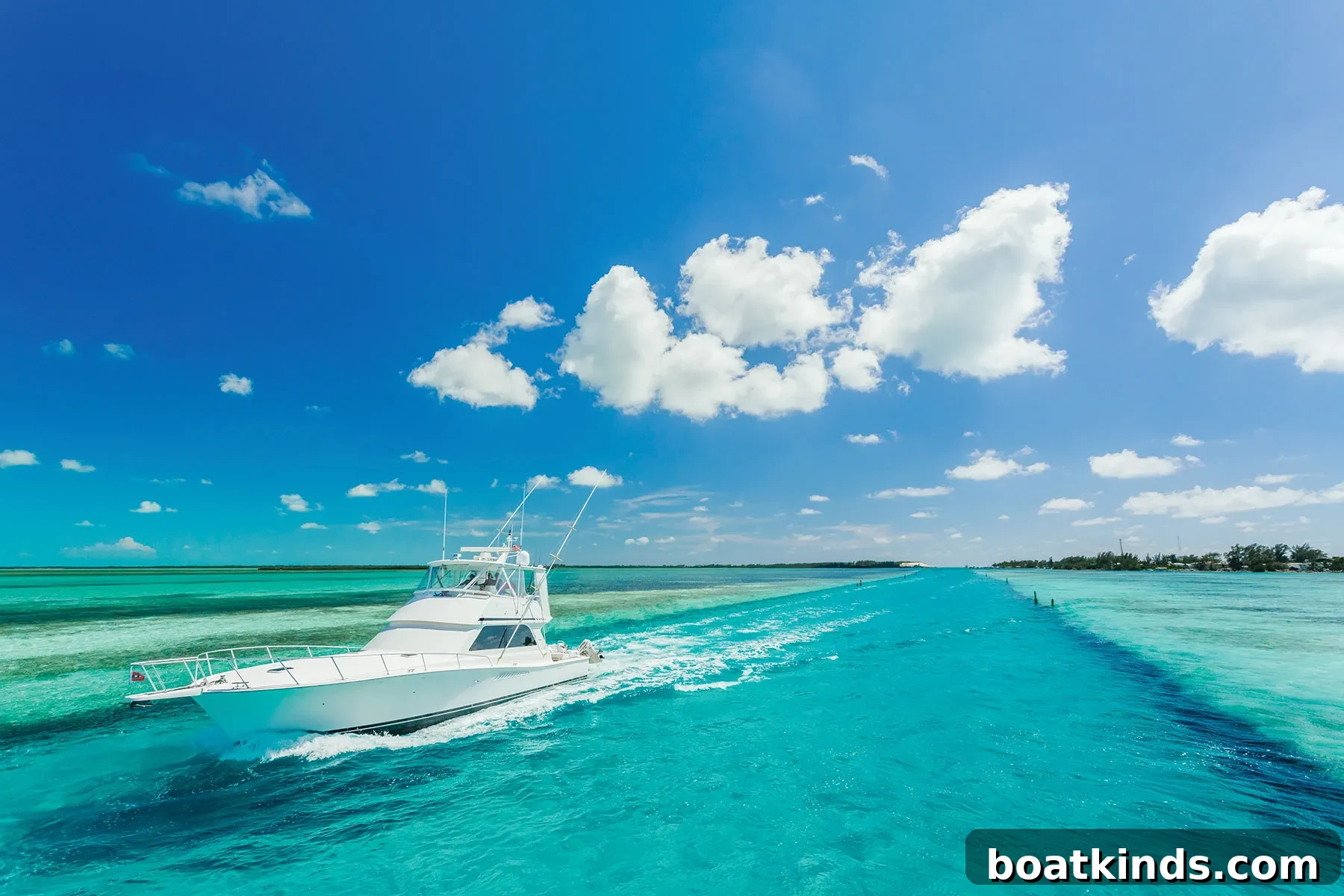
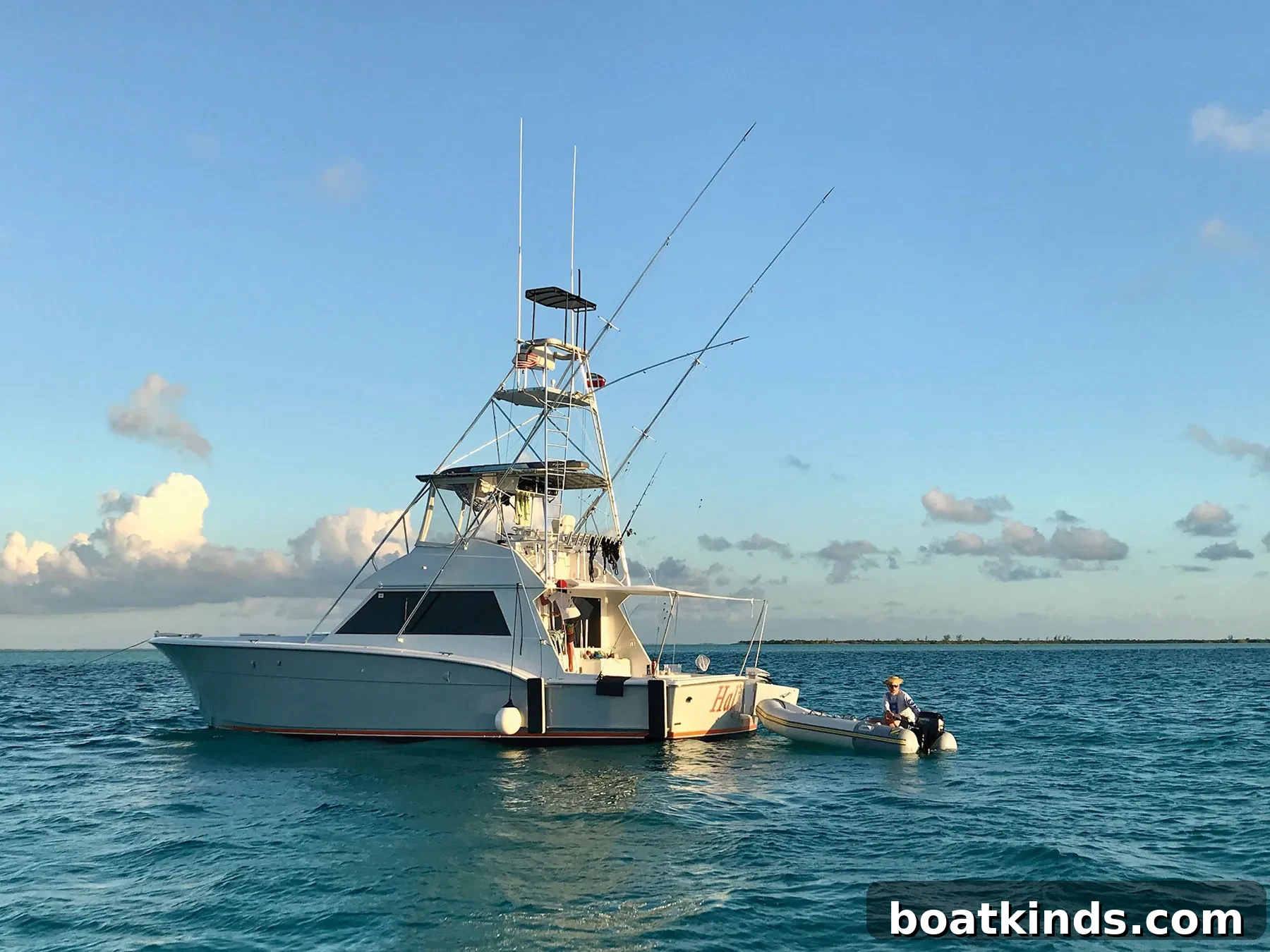
They organized tests that showed the whole family was negative for COVID-19, gathered passports, the Bahamas health visas they obtained online, their usual customs paperwork, and boarded their 45-foot Hatteras sportfisherman, Half Fast. A few hours and roughly 50 nautical miles later, they were legally anchored off Bimini with three weeks’ provisions, clear aquamarine water, and wide, open space around them.
The landscape was partly what they expected—flat sea and few tall buildings—but markedly quieter than usual. “It’s dead flat with no topography to speak of, and there are no big hotels,” Pliske says. Most bars and restaurants were only offering takeout, but that didn’t matter to her family. “The water and the snorkeling—that’s all amazing, and it’s why you go to the Bahamas anyway.”
Throughout the COVID-19 pandemic, governments have had to balance reopening economies with protecting public health. That tension has been especially acute in tourism-dependent nations like the Bahamas, where tourism accounts for a substantial share of GDP. The islands were already rebuilding after Hurricane Dorian in 2019, and their health system—centered in Nassau—has limited capacity, so early and targeted measures were essential to prevent hospitals from being overwhelmed.
Authorities moved quickly after the first confirmed case in March, imposing shutdowns within a week and adjusting restrictions island by island as local outbreaks occurred. After a phased reopening attempt, the Bahamas tightened controls: late in July the country closed its borders to many American visitors, and by mid-August it halted most international flights and limited hotels to essential staff as cases rose. The Pan American Health Organization noted similar case spikes in other Caribbean destinations that had tried to reopen for tourism, underscoring the risks of unrestricted travel.
However, the Bahamian plan included an exception that offered a safe path back to the islands for some visitors: private boaters who arrive with proof they are COVID-free can enter if they commit to a 14-day quarantine. Importantly, a private vessel is an acceptable quarantine location under current rules—allowing families like the Pliskes to isolate while still enjoying the outdoors and marine activities that brought them there in the first place.
“If we didn’t have this boat, we’d be divorced by now,” Pliske laughs. “It was either we all get on the boat and go to the Bahamas, or we’re going to lose it.” That sentiment highlights why many Americans have watched the Bahamas’ approach closely, wondering whether private-boat quarantine could serve as a model for other Caribbean islands as the cruising season approaches around Christmastime.
By late August, about a month after private boats were again allowed entry with onboard quarantines, the effect on charter operators was mixed. For example, The Moorings briefly reopened an Exumas base in mid-July but paused operations again because of ongoing commercial flight restrictions. Still, private yachts and crewed charters that met quarantine and testing requirements appeared to offer a controlled way to bring visitors back without exposing local communities to the usual high-volume tourism.
Daphne d’Offay, a senior charter manager with Ocean Independence who routinely books crewed charters in the Bahamas, explained that strict rules have been implemented to keep visitors confined to cruising grounds and away from local businesses where possible. “There won’t be cruise-ship tourists as usual going in and out of all of these restaurants and shops,” she said. If that approach continues to work in the Bahamas, similar protocols could shape how other islands welcome private-boat visitors this winter.
Pliske’s family found the reality matched those expectations. They met mostly boats similar in size to Half Fast and a few larger yachts; public gatherings side-by-side on popular sand spits and raft-ups that usually bring people together were noticeably absent. Government officials instructed them to move if they encountered other groups on a sandbar, and the family had no trouble maintaining distance and avoiding crowds during their entire three-week stay.
The quieter scene meant the typical lively raft-up culture and beach fish fries weren’t part of this trip, but the reduced social activity also made shore visits for essentials feel safer. “The Bahamians definitely aren’t messing around,” Pliske says. “I respect that.”
Strict protocols have trade-offs. Even with some private-boat traffic, many Bahamian businesses—marinas, tour operators, and shore-side vendors—continued to struggle. Browns Marina in Bimini, for instance, experienced long stretches with few visiting boats, a manager reported, leaving local operators short of their normal income. Still, marina officials welcome responsible visitors who follow testing, quarantine, and masking rules, saying such adherence helps protect both residents and livelihoods.
Pliske says the only reason her family returned to Florida was the start of the school year; they intend to go back. She now has a Bahamian cellphone number and is installing a new router aboard Half Fast so the kids can reliably do remote schoolwork while offshore. “We had an internet issue, or else we’d still be there,” she says. “I didn’t have enough bandwidth for school. I have a guy working on it. As soon as we get it figured out, we’re gone.”
This article was originally published in the November 2020 issue.