
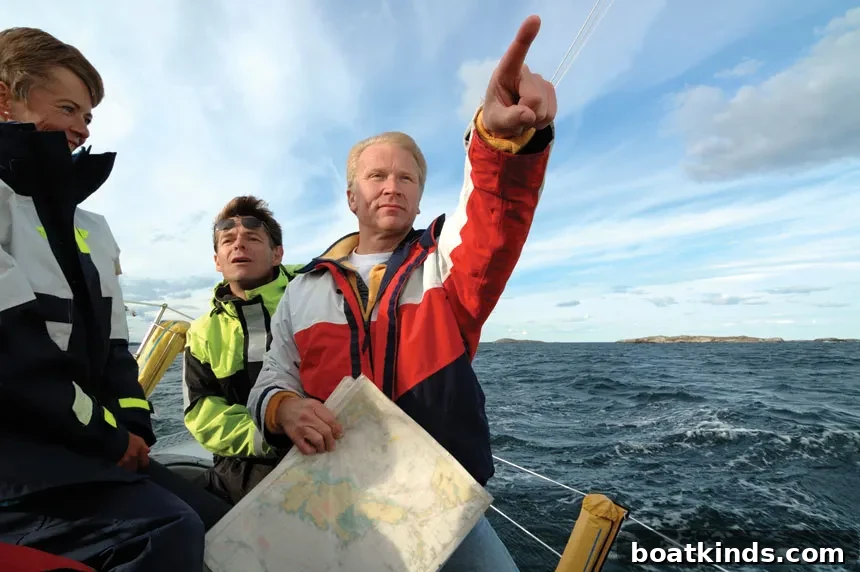
Communicating with Crew: Clear Words Save Lives
“Hey, captain, sorry to wake you. The latest weather came in, and I thought you might want to take a look at it. If you have a chance—just looking at the forecast and our track line. Thought you might want to take a look.”

Those words were spoken by the third mate aboard the freighter El Faro late on September 30, 2015, as Hurricane Joaquin intensified and moved into the ship’s path. The mate was attempting to communicate a vital update to the captain. The captain, however, did not come to the bridge. At that moment there were still choices to make; eight hours later, there were none. The El Faro and everyone on board were lost.
This tragedy highlights a fundamental truth of seamanship and boating safety: clear communication up and down the chain of command can be the difference between a routine passage and disaster. On commercial ships, as on recreational boats, information must reach the person best positioned to act—and sometimes it must be pushed until it is acknowledged.
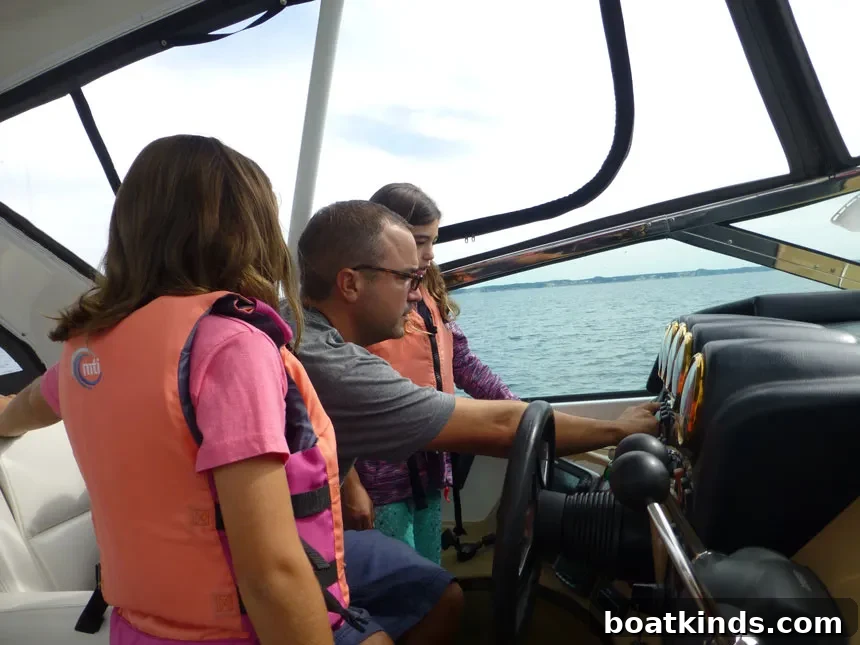
On recreational craft the challenge is often different but no less serious. Pleasure boating is social by nature—family, friends, and guests share the boat, and nobody wants to feel bossed around or embarrassed. That relaxed atmosphere can encourage vague language, hints, and half-requests instead of clear, actionable direction. But when safety is at stake, ambiguity is dangerous. Saying, “You might want to do something,” is not equivalent to, “Slow down and sound the horn now.”
Skippers should remember that most passengers are inexperienced with nautical tasks and terminology. A short orientation before leaving the dock sets expectations and reduces confusion: explain who will handle navigation, who will act as lookout, where lines and fenders are stowed, and what to do during docking or when man-overboard procedures are practiced. Demonstrate how to tie a cleat hitch or pass a line, and explain safety limits—no hands between the boat and the dock, for example.
When assigning tasks—especially those with potential for injury—be explicit about what you want reported. If you need a lookout, tell them what to watch for and how to communicate it: “Call out the number of the buoy and say ‘buoy, one o’clock, closing fast’” is more useful than “keep an eye out.” A simple acknowledgement—“Copy that, I see the buoy”—encourages continued vigilance. If reports go unanswered, crew members stop reporting and critical observations are lost.
Docking and departing slips are high-stress moments where shared mental models make a big difference. Walk through the approach before you get close: which side to stand on, who handles the forward line, who throws the stern line. Encourage everyone to move to a safe zone in advance and emphasize timing. Avoid shouting last-minute instructions; give precise, timely direction so helpers can act confidently.
Leaders should aim for unambiguous communication that motivates rather than demeans. Use affirmative language—“Hold that line,” “Ease three turns,” “I’ll take the helm now”—and combine it with calm, steady body language. If you need to take control, do it smoothly: a quick “Good job—I’ll take it from here” keeps morale intact while ensuring safety.
Crew members also bear responsibility. If you notice a problem—a loose shackle pin, a strange vibration, water in the bilge, the smell of fuel or smoke, or erratic behavior from another vessel—speak up without hesitation. Don’t assume someone else will say something. A culture where everyone is encouraged to report concerns improves situational awareness for the whole boat.
Communication at sea is a two-way skill: clear instruction from those in charge, and confident reporting from crew and guests. Practice simple protocols, set expectations early, and encourage a climate where questions are welcomed. These habits build seamanship, enhance safety, and make every outing more enjoyable.
This article originally appeared in the November 2018 issue.