
The Charles N. Curtis: A 91-Year-Old Training Vessel Serving Tacoma Youth
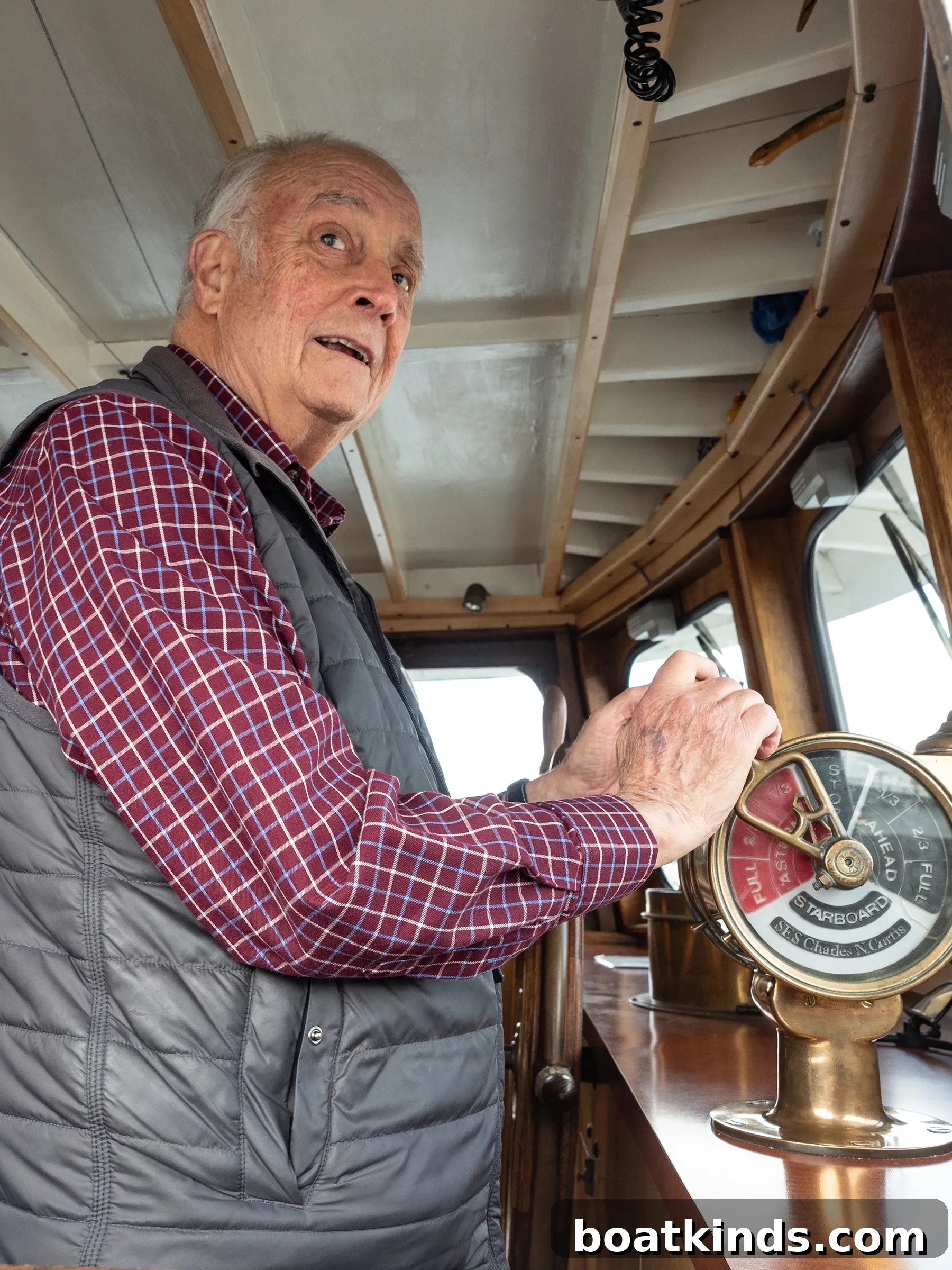
Slowly, the Charles N. Curtis eased stern-first into the Foss Waterway channel in Tacoma, Washington, preparing for a scheduled outing with local high school students who would perform scientific sampling across Commencement Bay. On the bridge, two veterans steered the vessel: Tom Rogers, 82, worked the polished brass throttles on the starboard side while Terry Paine, 80, calmly handled the wheel.
“We’re getting set by a strong current,” Rogers reported, popping his head out of the side window to scan for cross traffic and nudging the levers with the practiced touch of someone who knows the boat intimately. No bow thrusters, no modern assists—this is a classic, hand-driven workboat that depends on skill and judgment rather than automation.
Operating the 91-year-old vessel, known also as Sea Scout Ship 110, is second nature to both men, who together bring 125 years of service aboard. Paine began his service in 1957, concluding active captain duty in 1988 but continuing to volunteer. Rogers joined in 1964 and now oversees operations not only for the Curtis but also for Commencement Bay Marine Services, where the vessel is berthed. Volunteers run the boat and the associated programs, contributing roughly 20,000 hours a year and carrying out more than 150 trips annually.
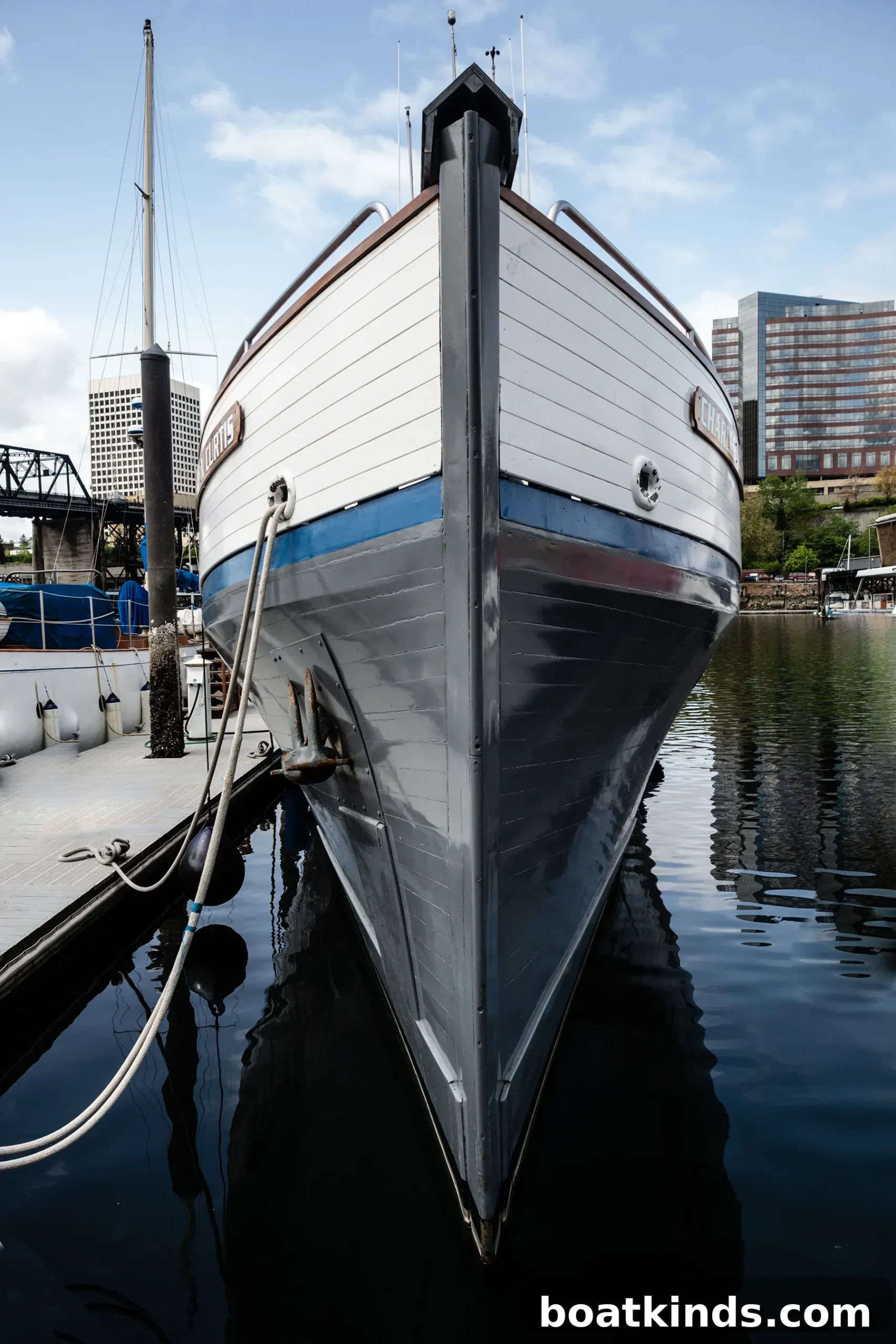
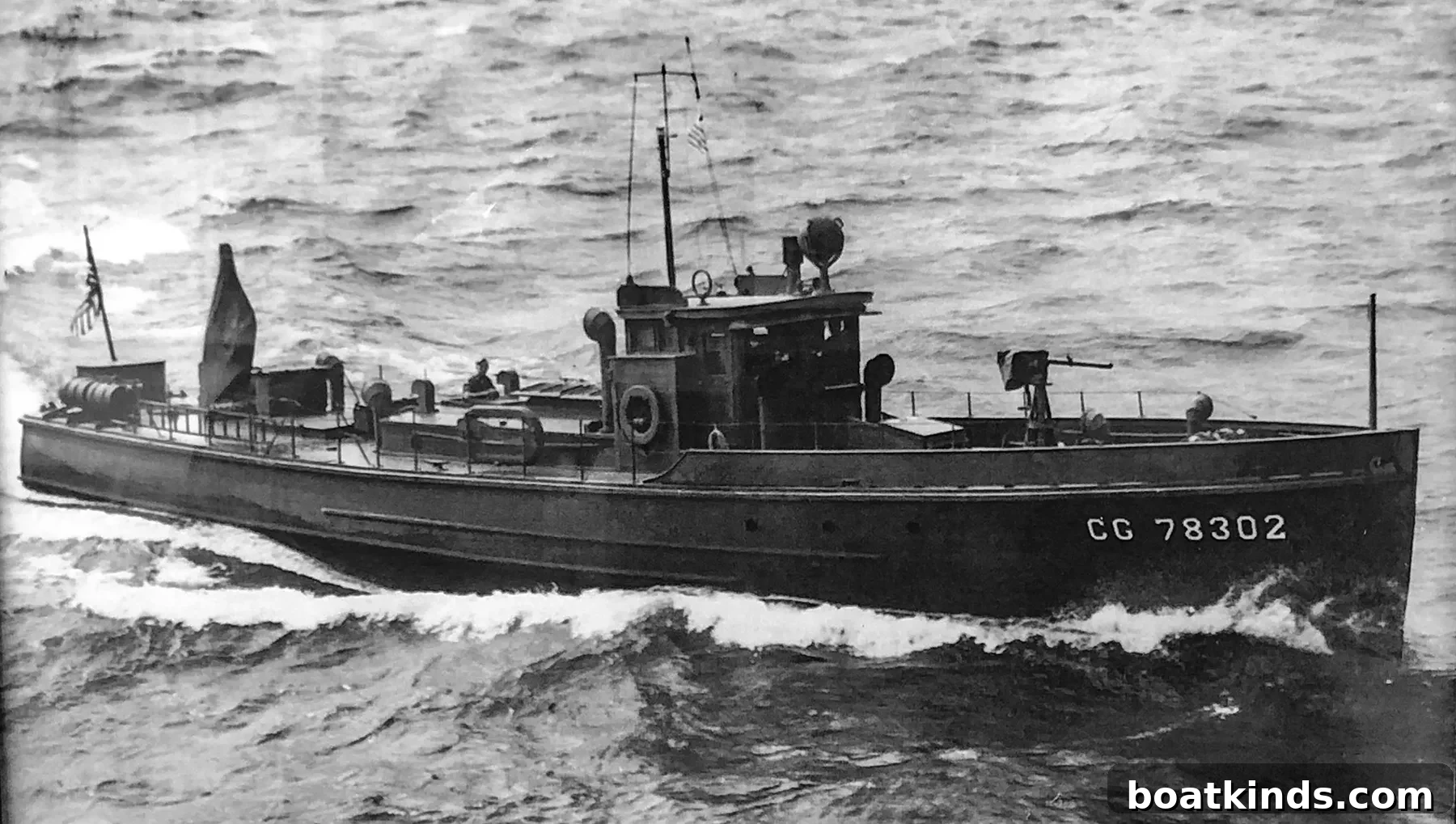
The Curtis epitomizes a traditional workboat. From Olympia to Bellingham, she is a recognizable presence around Puget Sound, logging thousands of miles each year to teach students about maritime life and the marine environment, and to give young people a chance to experience life at sea. Her longevity stems from adaptability. Built in 1931 at Southern Ship Yard in Newport News, Virginia, as U.S. Coast Guard CG 78302, she was a 78-foot, 9-inch fast patrol boat with pine planking on oak frames and a 14-foot, 8-inch beam. As one of the 400 Series Fast Patrol Boats, she chased rumrunners on Chesapeake Bay and Long Island Sound during Prohibition. In 1937 she was reassigned to the West Coast for patrol duties in World War II.
After the war, the vessel was sold to the Mount Rainier Council (now the Pacific Harbors Council) of the Boy Scouts of America in April 1946 for $10, then renamed Charles N. Curtis after the Scout executive. To convert her from an armed patrol craft to an educational platform, many modifications followed: her original Sterling Viking II gasoline engines and high speed were replaced with more modest, fuel-efficient GMC 6-71 diesel engines, reducing top speed but improving reliability for classroom-at-sea missions. A galley and mess were added in the 1950s to support overnight trips, and the wheelhouse was moved and elevated to improve visibility and safety as bulwarks were raised.
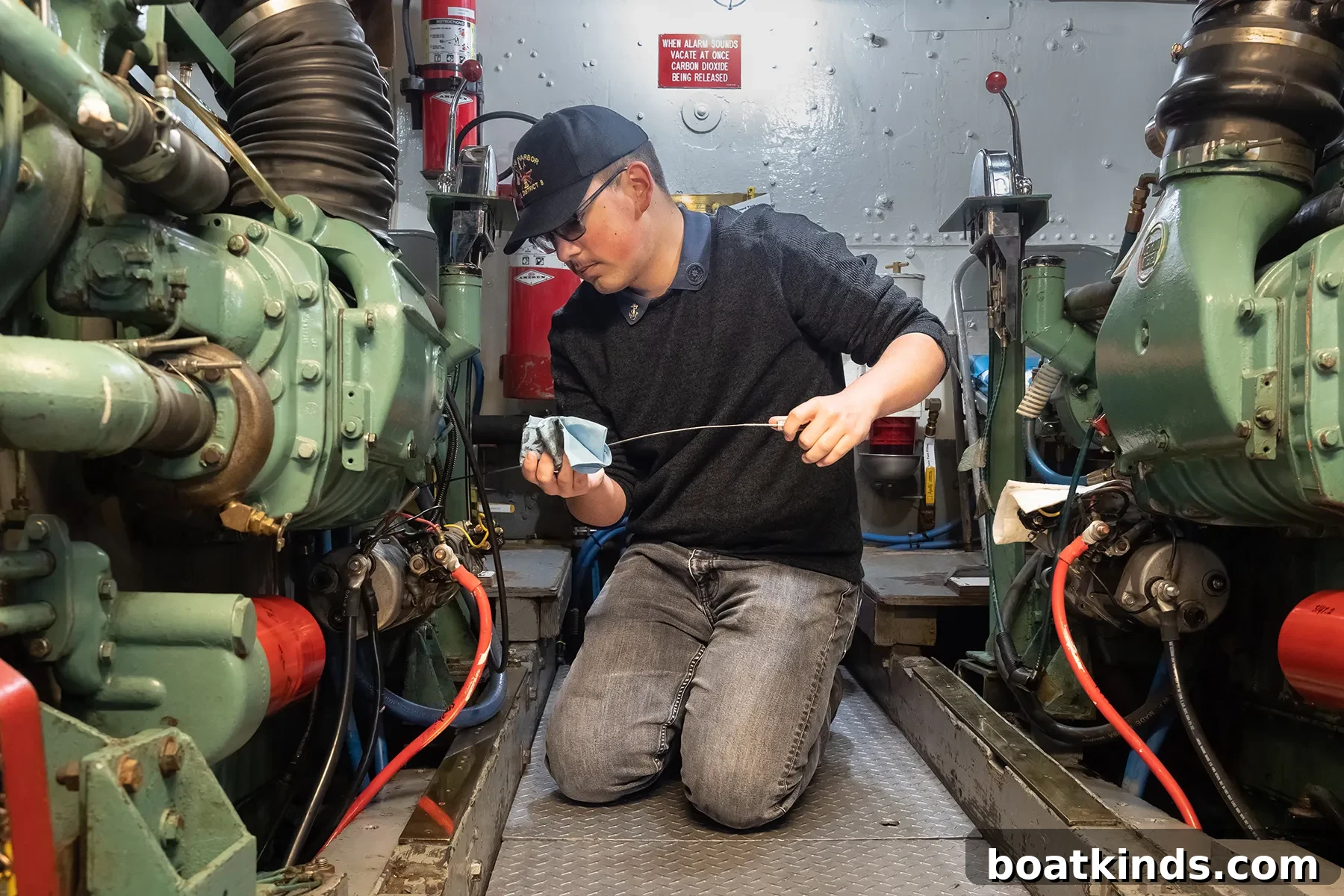
Today her two diesels share a compact engine room with two generators. Below decks she can accommodate up to 24 youth in the cramped but storied “insane room,” while officers sleep in bunks behind the navigation station in the so-called “sane room.” Rogers points out the irony: “She was built for a service life of 10 years, but now she’s past 90.”
Rogers, as president of Commencement Bay Marine Services, helps secure funding for maintenance and educational programs. These programs are coordinated by the Youth Marine Foundation, which partners with Tacoma Public Schools, Sea Scouts, Metro Parks Tacoma and local colleges to provide hands-on maritime education.
Science teachers value the opportunity the Curtis provides. Matt Lonsdale of the Science and Math Institute in Tacoma has taken 75 to 100 tenth- through twelfth-graders aboard each year since 2014. “For the past six years she has moved me all over the sound and I have really gotten to love her as a boat,” he says. “On our last trip out, I gave her a hug and thanked her for all the work she had done for us. I know many students feel the same way.”
Megan Jacobsen, an instructor at the School of the Arts, brings art students aboard to collect water samples and measure dissolved oxygen, plankton content, turbidity, visibility depth, phosphate, copper, nitrates, salinity and pH. “The goal of these experiments is for students to understand the overall health of the ocean around us,” she explains. For many art students, time on board becomes a memorable highlight of their course.
Maintaining an aging wooden workboat like the Curtis requires continual effort and funding. “These old boats are classics, but it takes a lot of money to keep them running,” Paine says. Historically, the vessel received major care in places like Port Townsend, where woodworking skills and facilities remain available to repair bulkheads, frames, planks, tanks, floors and rubrails. Shipwrights have also installed backing plates for a prop strut and a false stem when necessary.
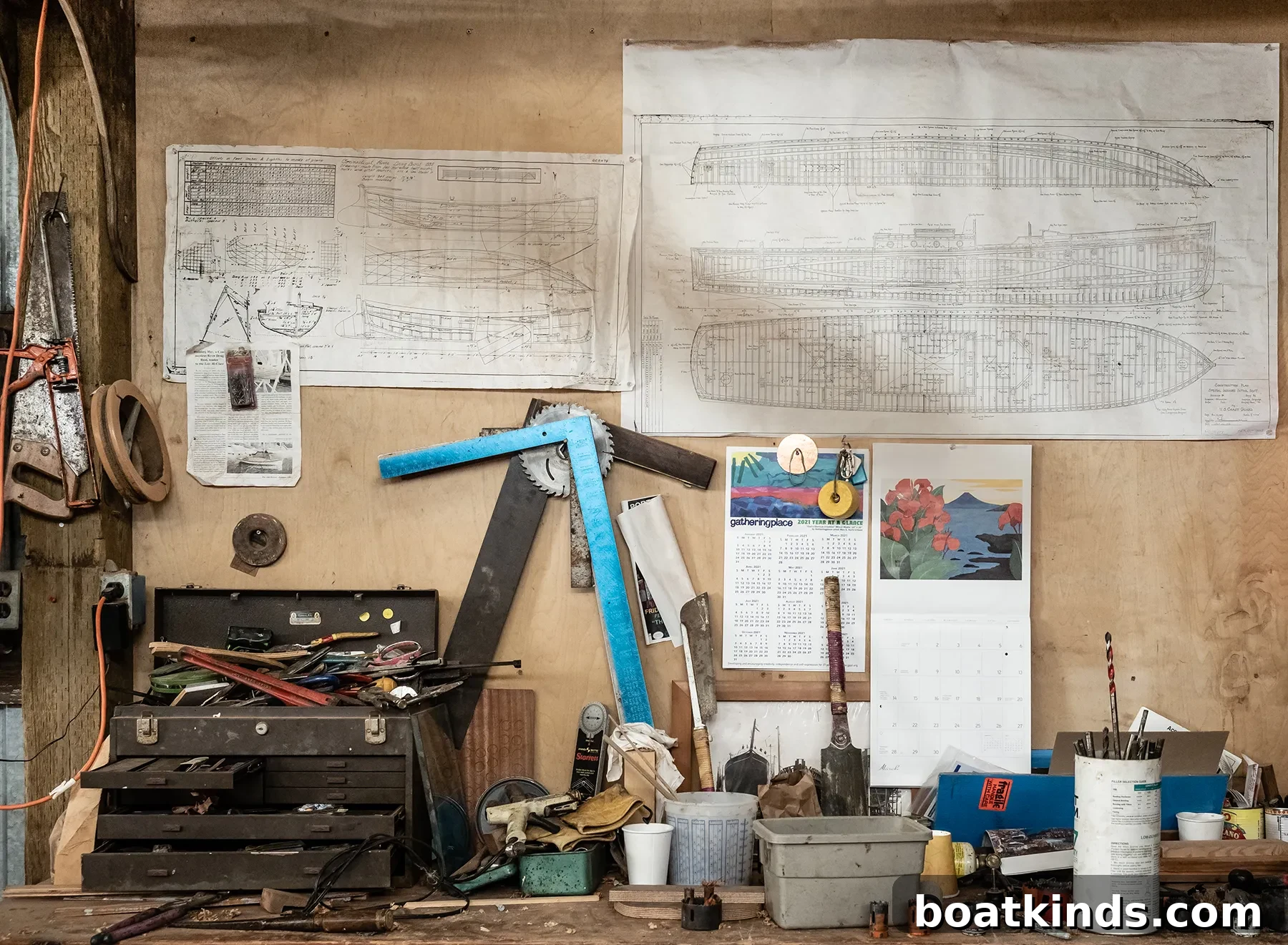
Shipwright Mark Stout notes that the Curtis benefits from sound maintenance planning that allows major jobs to be spread over time rather than completed all at once. Rogers points to the challenges ahead: hard-to-find parts, a costly fuel tank room overhaul that could take months in dry dock and bills that may exceed $150,000, and the prospect of replacing engines to meet modern emissions standards—projects that could push the investment to roughly $500,000.
Recently, the nonprofit acquired a 110-foot aluminum training vessel in Texas, which has altered the educational needs and may mean the Curtis will soon be retired. Options under consideration include decommissioning and breaking her up, with select sentimental items preserved, rather than placing her as a museum display due to insurance and liability costs. Rogers has advocated for focusing resources on youth programs over preserving history when the choice becomes unavoidable.
On this afternoon, after the first of two student trips, the Curtis still performs her mission. “The current is pushing us in, so let’s take a high angle,” Rogers tells Paine, who responds with the practiced maneuvering of someone who has guided this vessel for decades. Paine lets her drift gently into the berth while the skipper applies a short reverse thrust to secure a smooth landing—a routine honed through a lifetime at sea.
This article was originally published in the September 2022 issue.