
Bottlenose Dolphin “Zafar” Guided Back to the Sea After Three Days in Amsterdam Harbor
An adult bottlenose dolphin that followed a sailing ship for three days, passed through locks into Amsterdam’s waterways and lingered in the brackish harbor has been guided back to the open sea. The animal, locally known as Zafar and observed by divers in Brittany since 2018, began trailing the fair-trade cargo vessel Tres Hombres off the coast of France while it was transporting cocoa beans from the Caribbean.
From Open Water to the Amsterdam Locks
Zafar accompanied the Tres Hombres as it made its way north, eventually entering the Dutch port area. The dolphin passed through the locks at IJmuiden alongside the sailing vessel and remained close to the ship after the crew docked in Amsterdam. For several days the mammal stayed within the port, frequently seen close to piers and vessels rather than returning straight to the North Sea.
Why Rescue Teams Intervened
Bottlenose dolphins typically live in social groups, though individuals are sometimes observed alone. Local rescuers grew concerned because Amsterdam’s inner harbor is brackish—an environment of mixed fresh and salt water—and does not support the same populations of saltwater fish that dolphins rely on for food. Given the animal’s prolonged presence in the port and the limited feeding opportunities there, SOS Dolfijn, a Dutch marine rescue organization, initiated efforts to encourage Zafar to return to the sea.
Challenges During the Rescue
Returning a large, mobile marine mammal to open water can require close, coordinated action. In Zafar’s case, rescuers noted that safely moving or guiding the dolphin would have required several people in proximity to one another. Because these events occurred during the coronavirus pandemic, restrictions and safety precautions made it difficult to assemble the needed personnel for a hands-on capture or containment operation.
Using the Ship and Playful Interaction as a Solution
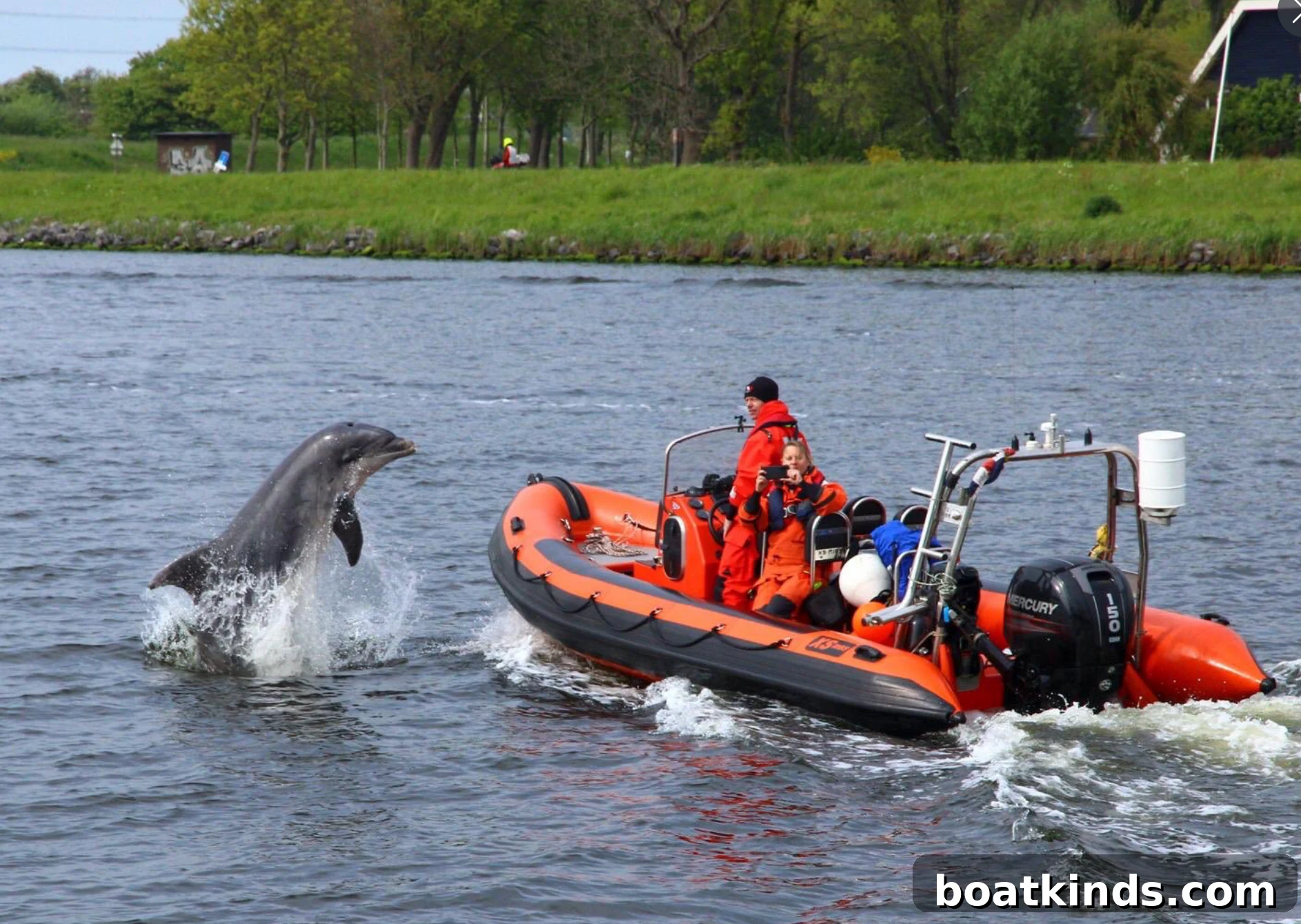
Initial attempts by SOS Dolfijn to persuade the dolphin to leave the harbor were unsuccessful. In a creative, lower-impact approach, the Tres Hombres—assisted by an older tugboat—was used to entice the dolphin toward IJmuiden and the locks that lead back to open sea. Once near the locks, rescuers deployed an inflatable RIB, offered fish and engaged in playful, noninvasive interaction to coax Zafar to swim through the gates and toward the North Sea.
Successful Return and Final Sightings
After these coordinated efforts, Zafar was last reported lingering between the piers of IJmuiden harbor by the North Sea. Observers noted the dolphin appeared to depart the inner port area and head toward saltier waters. The operation emphasized minimizing stress on the animal while employing the available vessels and local knowledge to encourage natural movement back into the marine environment most suitable for a bottlenose dolphin’s needs.
Context and Local Interest
Zafar has been a familiar figure to divers and coastal observers in parts of Brittany since 2018, where the dolphin has shown an openness to human interaction. That history likely contributed to both the animal’s willingness to accompany a vessel and the public interest in ensuring a safe outcome. While individual dolphins sometimes display solitary behavior for short periods, marine rescue teams generally aim to return such animals to conditions where they can find appropriate food and rejoin conspecifics if possible.
Footage and Coverage
Video footage of the encounters between Zafar, the Tres Hombres crew and SOS Dolfijn personnel was captured by local media and broadcast by Dutch outlets. The material shows the dolphin swimming close to the vessel and the subsequent effort to guide it back toward the sea. Coverage provides a clear visual account of how rescuers used patience, guidance and minimal intervention to resolve the situation.
This incident highlights how urban and industrial waterways can temporarily attract marine wildlife, and how coordinated, careful responses from trained rescuers can help return animals to more appropriate habitats while minimizing harm and stress.