
My first offshore race was the North Sea Race: a triangular course that began off the east coast of England and, with any luck, ended somewhere just outside the port of Rotterdam. Everything went to plan until late the evening before the start, when our navigator announced he had left the charts back in London. Too late to retrieve them, he improvised. Using the back of an old chart, a Reeds Almanac, parallel rules, dividers, and a #2 pencil, he began to construct a new chart by hand. Intrigued and a little uneasy, I spent many off-watch hours watching him methodically plot dead-reckoning fixes on that mostly blank sheet. When we finished, he had put us precisely where we needed to be at every turn of the course — including the finish line. We didn’t sail a winning race — we were an inexperienced crew — but navigationally we nailed it.
If navigation is the art of getting a vessel from one place to another with a reasonable hope of reaching the intended destination, then I like to think of myself as a stylist: a Rembrandt of navigation rather than a bold Picasso. That artistic sense has been eroded by universal access to GPS, which effectively turns navigation into a simple follow-the-dots task most anyone can do on a mobile device.
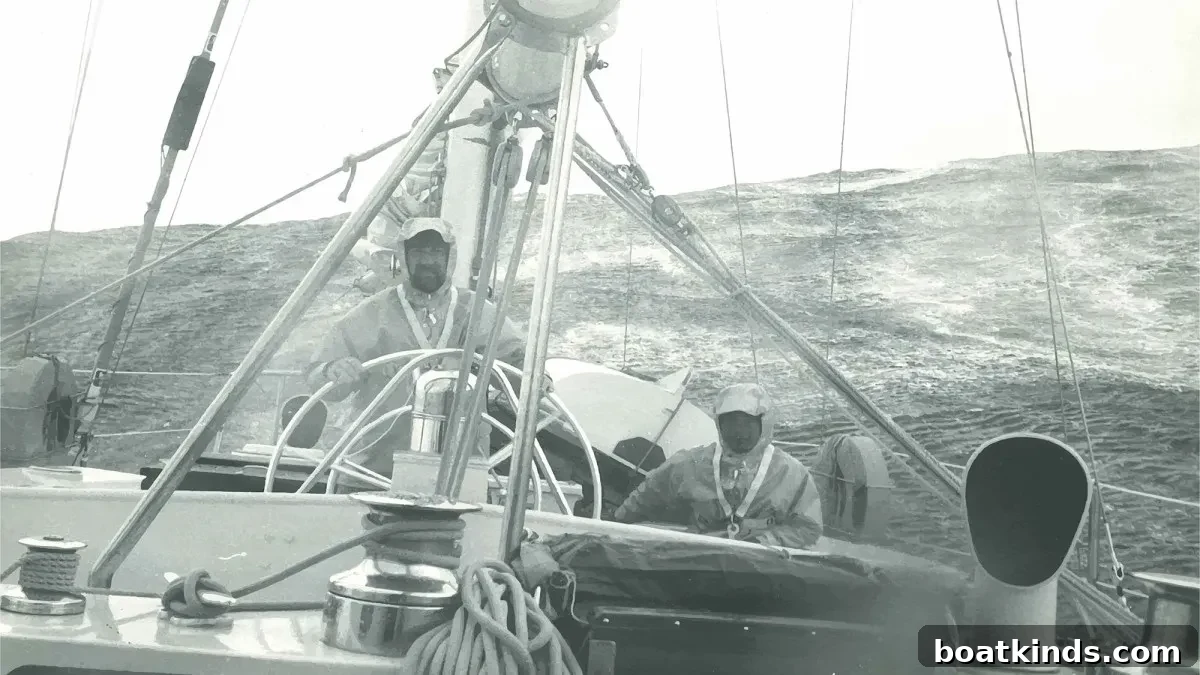
Back in the days when bluewater cruising demanded real navigational skill, dead reckoning was king and celestial fixes—weather permitting—were the crown jewel. Before GPS, nobody ever truly knew their exact position with absolute certainty. Navigators relied on plotted courses, careful observations, and a steady poker face when placing a finger on the chart and saying, “We’re here.” Stories of navigational mishaps and triumphs are woven through maritime history for a reason.
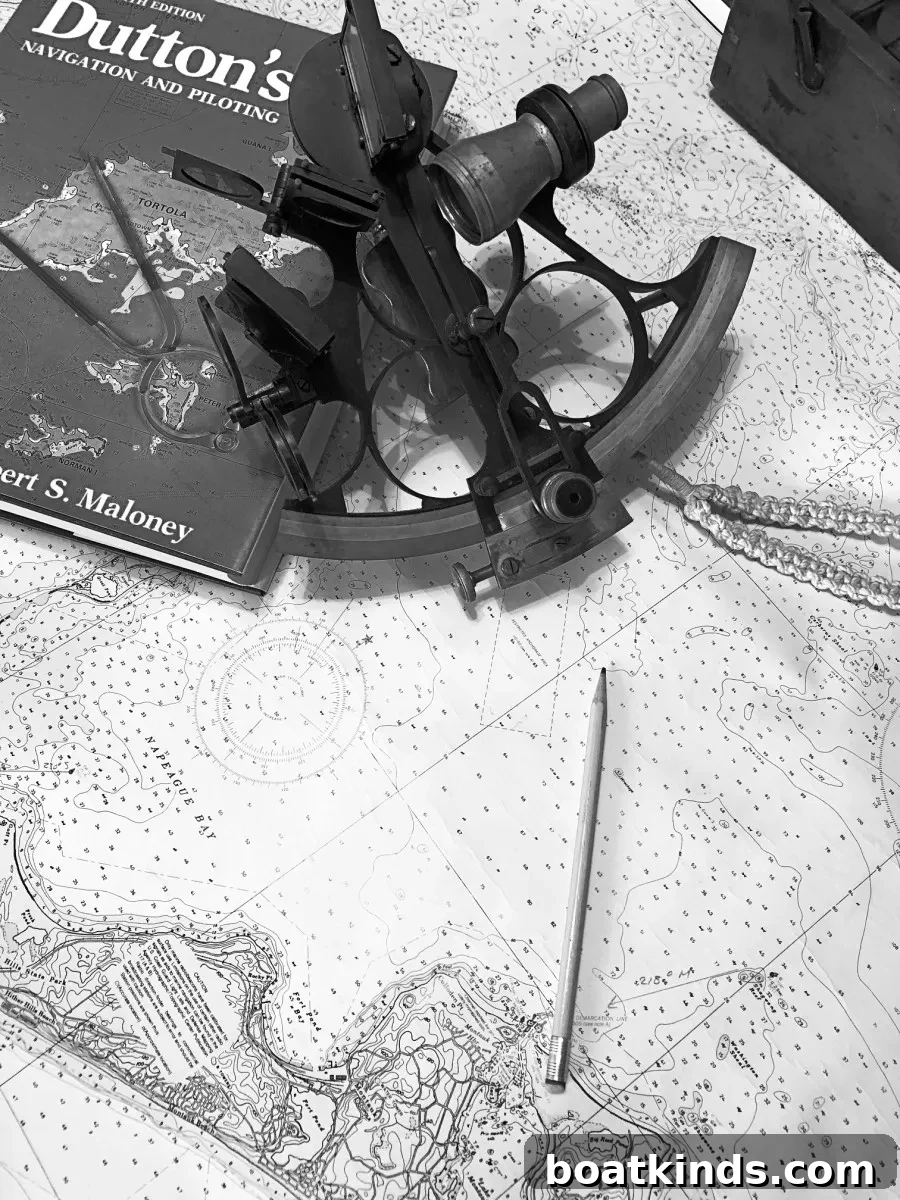
I first met Okey in Lisbon while we were both provisioning for a transatlantic crossing to the Caribbean. He’d built a 32-foot sailboat back in Denmark from magazine plans and had sailed her to Portugal hugging the coast. As we became friends, he admitted he was anxious about the 3,100-mile open-ocean passage to the Windward Islands. From a locker of foul-weather gear he produced an inexpensive plastic sextant and asked if I could show him how to use it. He also produced a one-gallon wicker jug of local rum, insisting we drink it because it was cheap. It tasted like jet fuel and gave us the kind of courage that made arithmetic—degrees, minutes, seconds—begin to blur. After a few too many shots, our training sessions were cut short. Two days later we departed for Las Palmas, Canary Islands, thinking it unlikely we’d see Okey again.
Two weeks later, anchored in Las Palmas, his little boat appeared on the horizon. Lessons resumed, more jet-fuel rum was consumed, and one morning he sailed away. I wished him luck, not expecting to meet him again.
Weeks later, in the clear waters of Bequia, a frantic wave from a nearby 32-footer announced his arrival. Okey boarded with a grin and another jug of rum. “Thanks for the lessons,” he said. “I only missed St. Vincent by 10 miles.”
He had first sighted land at the Pitons of St. Lucia and then sailed between the islands. If he had continued due west from there, his next landfall would have been Nicaragua, some 1,700 miles away. I like to think his newly learned dead-reckoning skills would have alerted him that something was wrong before making that unintended voyage.
Dead reckoning, in geometric terms, is straightforward: plot lines on a paper chart based on your last known position, course, and speed. Its accuracy depends entirely on the quality of the input. Errors creep in from many sources—compass deviation, faulty speed logs, currents (set and drift), wind and sea effects, and even a towed distance log that gets bitten off by a fish. On the human side, crew reports about where the boat has been are often optimistic or incomplete. That’s why a fundamental rule of good navigation remains: trust but verify. Coming off watch, crewmembers sometimes forget to report course adjustments or avoidances, and some people simply can’t hold a steady course no matter how hard they try.
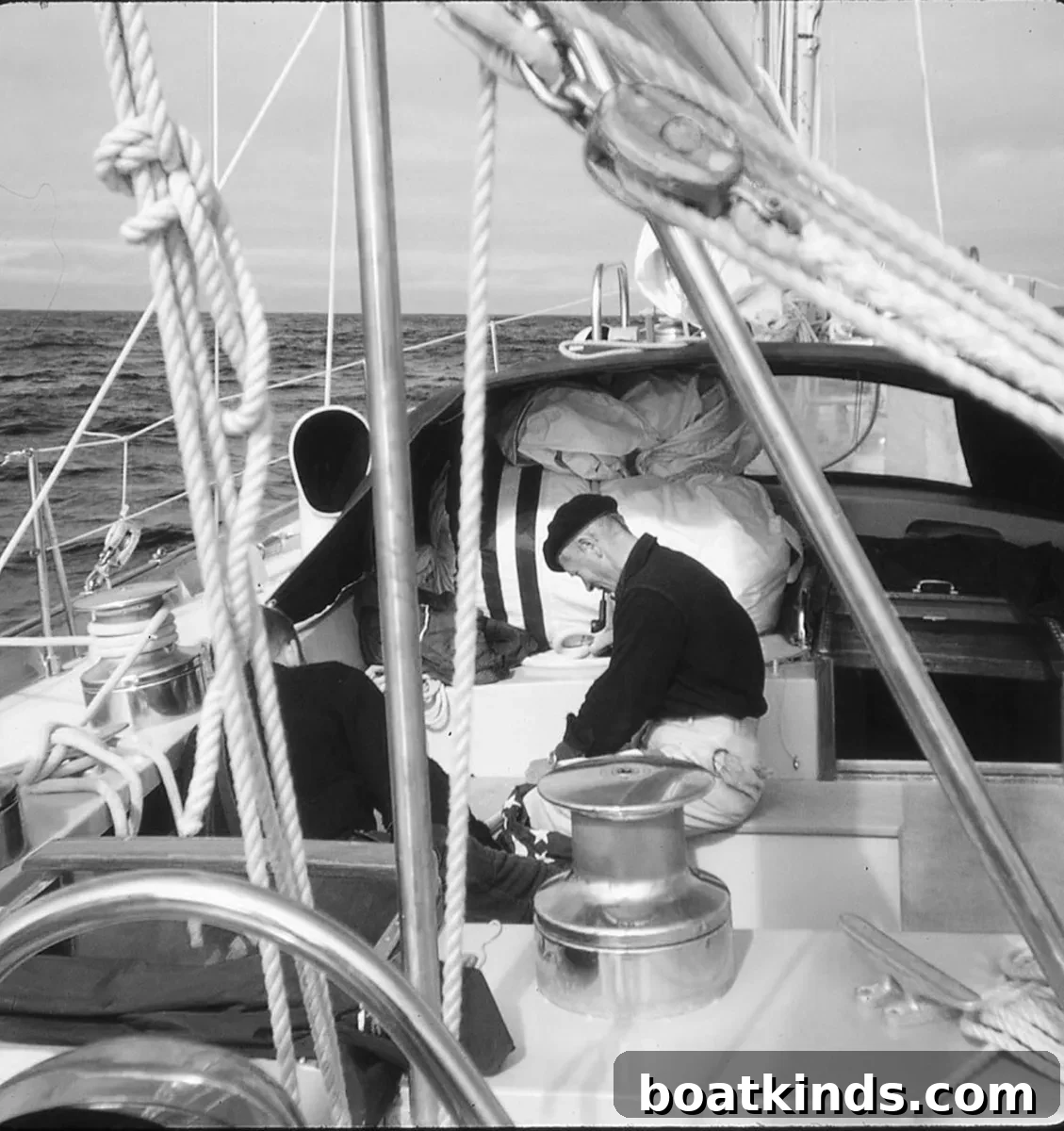
I remember running up the outside of the Bahamas en route from San Juan to Fort Lauderdale. One crewman was convinced we were about to run aground on the Silver Banks, even though our course kept us well east. Our dead-reckoning plot said we should have been close to the Hole-in-the-Wall between Eleuthera and Great Abaco, but land never appeared. That night I found the same fearful crewman at the helm steering 15 degrees off course to avoid his imagined threat. Little moments like that underline why navigators must verify reported positions and watch the hands on the wheel as closely as they watch the chart.
To check positions, navigators have long used radio-based aids: Consol, Decca, and the radio direction finder developed in World War II, followed later by Loran A, Loran C, Transit, and finally GPS. Each innovation improved reliability, but early systems still required a healthy degree of skepticism and cross-checking.
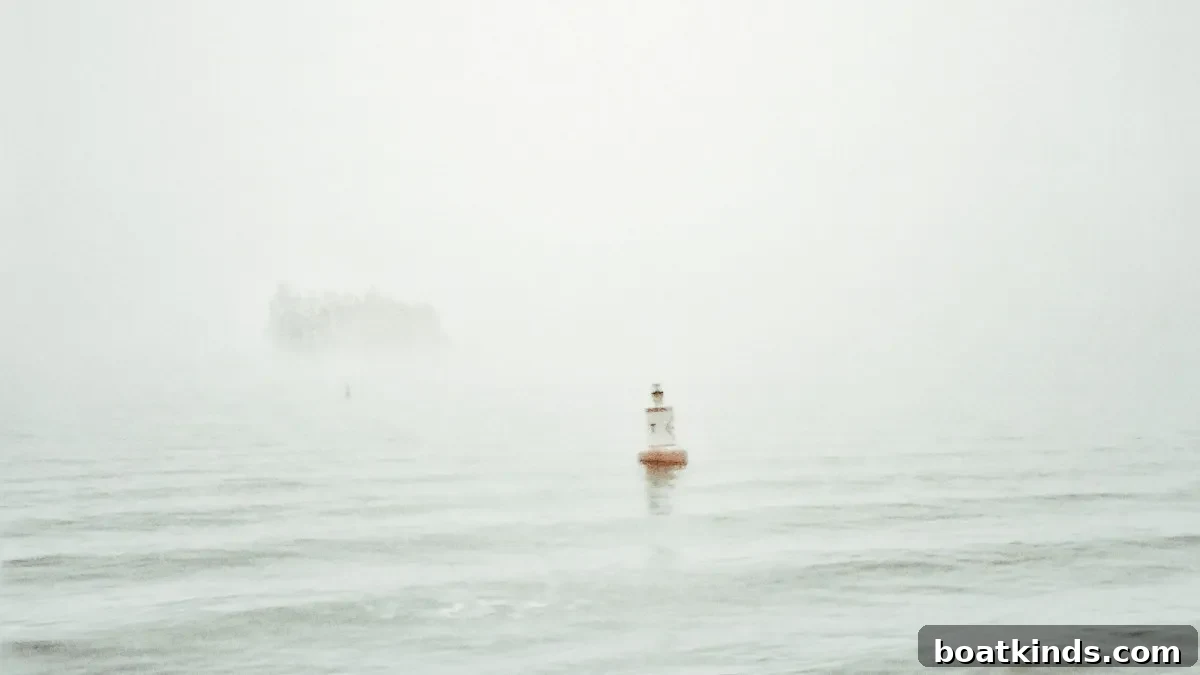
My own conversion to trusting GPS happened during a family cruise on Long Island Sound in the early 1990s. After a night in a small New England cove we set out for Watch Hill, Rhode Island, and ran into pea-soup fog. The VHF filled with anxious calls from other mariners unsure of their positions. We had our paper chart and were doing dead-reckoning plots, ringing the bell, and keeping a sharp lookout with visibility down to a few feet. We also had one of the first commercial GPS units. We were skeptical, but I reluctantly entered the coordinates for a small red can buoy marking the narrow channel entrance to Watch Hill.
As we approached, tension rose. I chose to trust the GPS over our manual plot, and a shout from my son saved us from running head-on into the buoy. Later, safe at anchor with cold drinks in hand, we admired that small device and felt something like awe. It had removed a lot of uncertainty and fear from that passage.
Had GPS been widely available earlier, many of the stories of navigational uncertainty and the pure elation of a well-earned landfall would never have existed. The technology has unquestionably made sailing safer and removed much of the anxiety that used to accompany long passages. Yet for sailors who value the craft of navigation, there is a wistful nostalgia for the skill, intuition, and hard-earned pride required to make landfall without satellites. No device can entirely replace the personal satisfaction of guiding a vessel home using skill, experience, and a healthy respect for the sea.
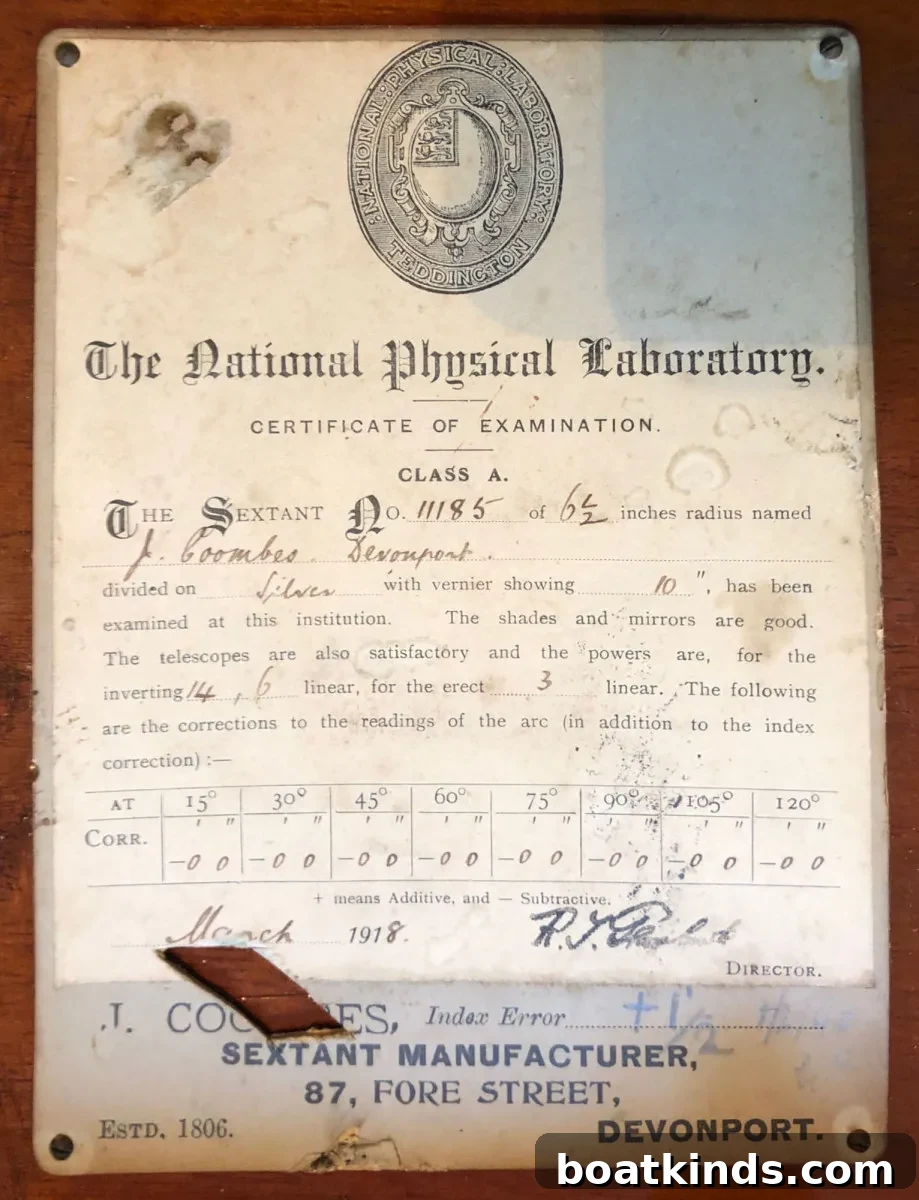
While I respect the accuracy of modern navigation, a Rembrandt-like appreciation remains for the old days when mariners—heroes of history and fiction alike—relied on their wits, instruments, and sometimes sheer nerve to find their way. Those stories, and the lessons they carry about dead reckoning, celestial navigation, and the evolution to GPS, are worth remembering.
This piece was originally published in PassageMaker Magazine in 2020.