
Exploring Slave Ship Wrecks off Gorée Island: A Smithsonian-Supported Effort
Off the coast of Gorée Island, Senegal — a place long associated with the transatlantic slave trade — a team of divers is documenting submerged wrecks that researchers believe once carried enslaved people. Supported by the Smithsonian Institution, this initiative brings maritime archaeology to communities most connected to the history it seeks to recover.
The project has attracted divers and researchers who are African or of African descent, reflecting an intentional shift toward greater local and diasporic participation. Team members include a Senegalese police officer, a diver from Benin, and the only doctoral-level maritime archaeology student from the Ivory Coast involved in the work. Together they are surveying wreck sites in a range of depths and conditions.
Fieldwork: Shallow and Deep
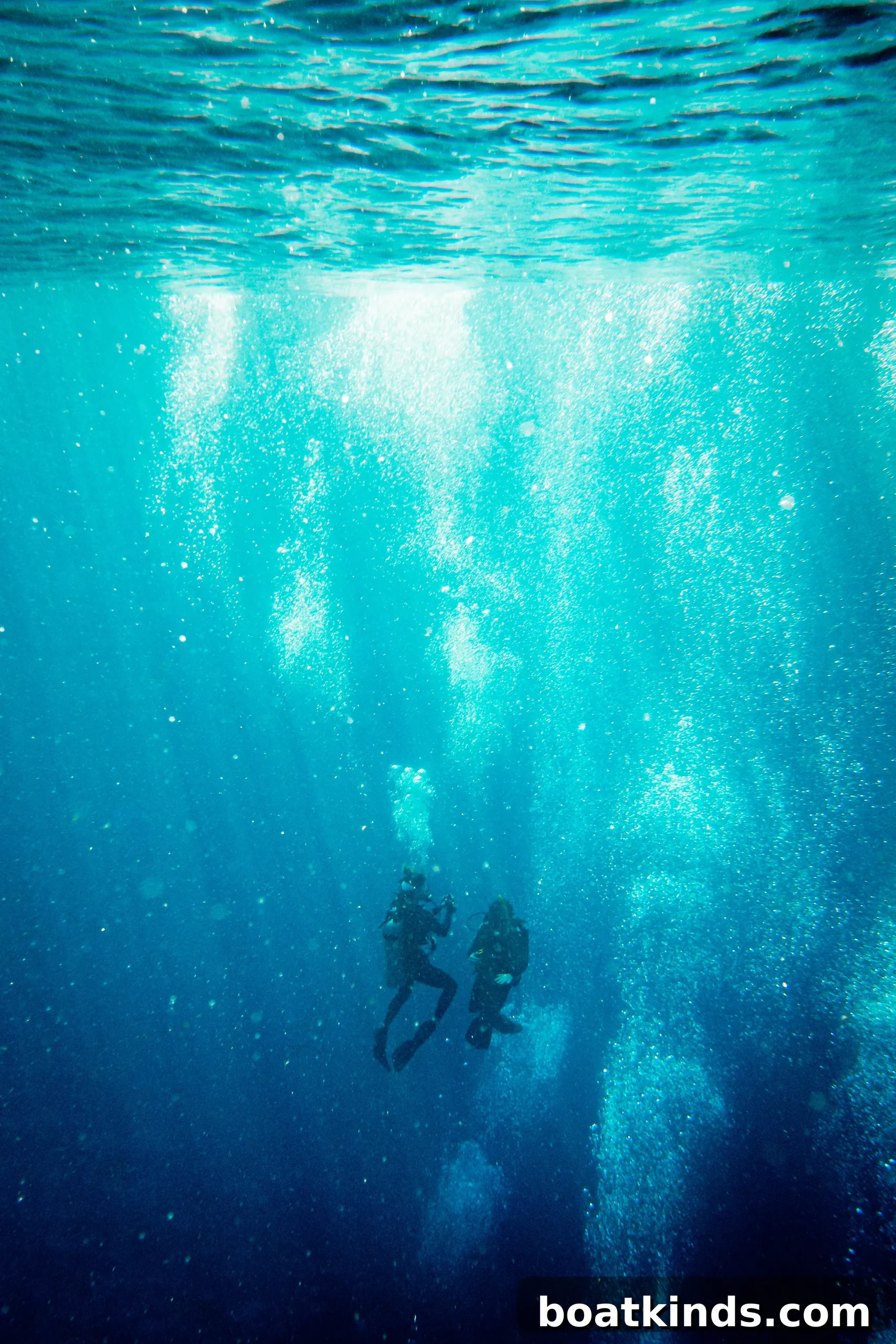
Some of the wrecks lie in relatively shallow water — around 30 feet — making them accessible for less experienced divers who are taking measurements, recording the condition of timbers and fastenings, and mapping site features. Other sites are deeper and require advanced diving skills; these are being explored by students and team members with greater technical training. Together, these efforts provide a layered understanding of the wrecks and the coastal seafloor environment.
Why These Wrecks Matter
Paul Gardullo, director of the Smithsonian’s Center for the Study of Global Slavery at the National Museum of African American History and Culture, emphasizes the historical and educational value of the research. He says the project aims to generate knowledge that can inform public education, strengthen community engagement, and build international partnerships. Importantly, Gardullo stresses that the work is not focused on recovering treasure for display in Washington, D.C., but on ethical study, preservation, and sharing of history where it belongs.
Training, Ethics, and Community Engagement
The program combines hands-on training with an ethical framework designed to respect local communities and the memory of those affected by the slave trade. Grace Grodje, a doctoral student who joined the project after learning to dive only a month before fieldwork began, captures the urgency driving the effort: “There is a lot of information underwater that is not yet known. If we don’t search, we will not know it.” Her comment underlines the research imperative: documenting sites now, before further deterioration or loss occurs.
Researchers are documenting artifacts and structural remains in situ where possible, prioritizing non-invasive methods and careful recording. The project’s approach aims to balance scientific study with sensitivity to the cultural and historical significance of each site. Local stakeholders and descendants of those affected by the slave trade are included in discussions about interpretation, conservation, and how findings should be shared.
Decolonizing Maritime Archaeology
The Slave Wrecks Project is also framed as a corrective to long-standing imbalances in who studies maritime history. The field of maritime archaeology has been dominated by researchers from outside the communities most directly tied to the history of the transatlantic slave trade. By centering African and African-descended researchers, the project seeks to broaden perspectives and challenge a White-dominated narrative.
One project member, Miller, notes the difference that local and diasporic involvement can make: “When the work is done by people touched by the history, it often becomes less about extraction than preservation and memory.” That focus shapes the project’s priorities: recovering stories and preserving sites in ways that honor those who suffered while providing resources for education and remembrance.
Looking Ahead
As documentation continues, researchers expect the combined archaeological, archival, and oral-history work to produce new insights about the role of Gorée Island and its surrounding waters in the broader Atlantic world. The project’s emphasis on training, community engagement, and ethical stewardship aims to leave a lasting local legacy: a stronger base of knowledge and capacity for ongoing heritage work in Senegal and across West Africa.
With support from institutions like the Smithsonian and the active participation of African and African-descended researchers, the work off Gorée Island illustrates how maritime archaeology can be reshaped to center remembrance, community ownership, and responsible scholarship.