
Senate Committee Advances Duck Boat Safety Bill Aimed at Preventing Tragedies
A bipartisan measure intended to improve safety standards for sightseeing “duck boats” cleared the Senate Commerce, Science, and Transportation Committee on Wednesday and now moves to the full Senate for consideration. The legislation, known as the Duck Boat Safety Enhancement Act, is sponsored by U.S. Senators Roy Blunt (R‑Missouri), Josh Hawley (R‑Missouri), Tom Cotton (R‑Arkansas), and Tammy Duckworth (D‑Illinois).
Background and Urgent Safety Concerns
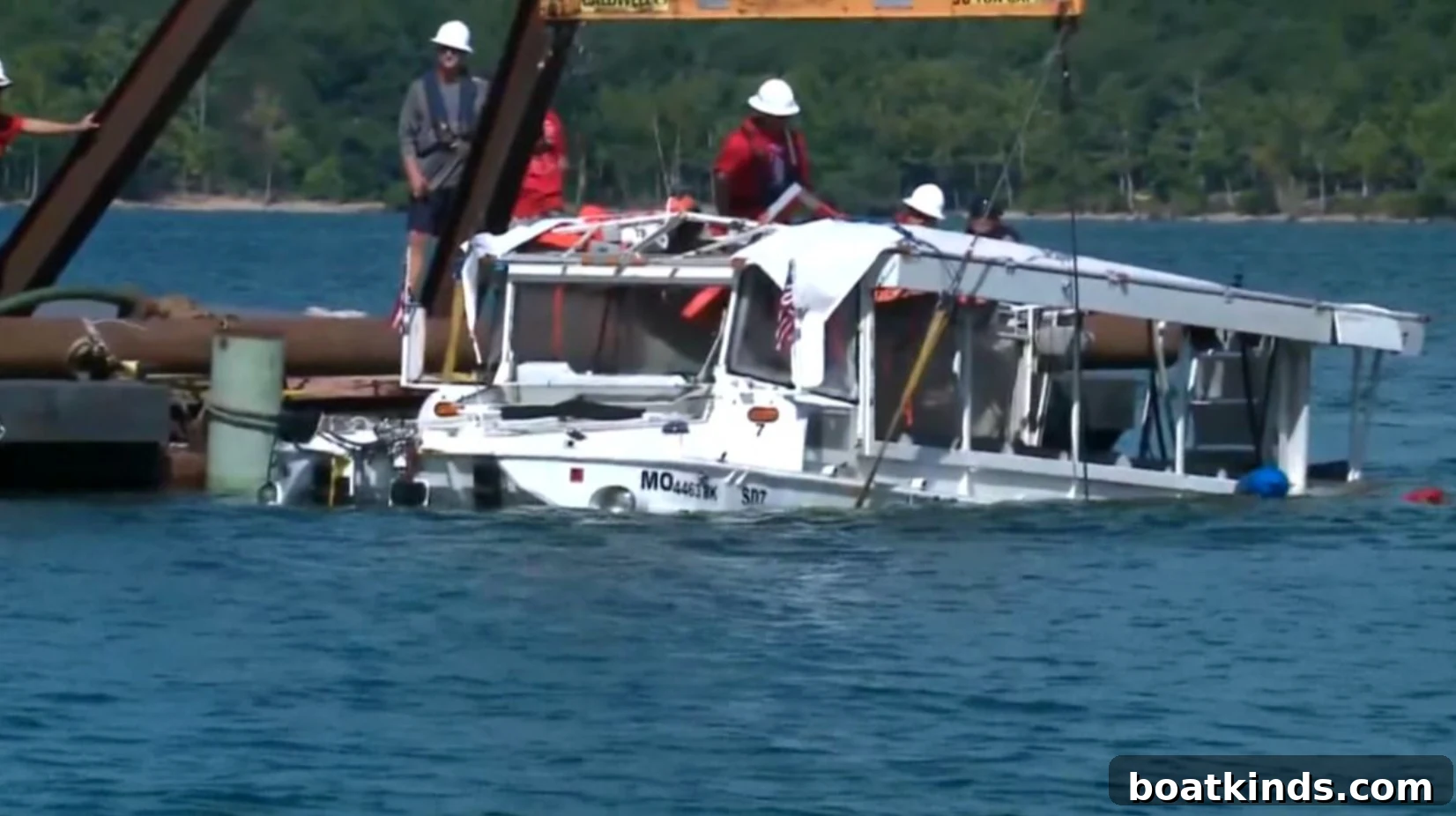
The push for stronger duck boat regulations has been driven by catastrophic accidents over the past several decades. After a 1999 accident in Arkansas that killed 13 passengers, the National Transportation Safety Board (NTSB) repeatedly recommended changes to make these amphibious vessels safer. Despite those recommendations, serious incidents persisted, most notably the 2018 sinking of a Ride the Ducks vessel in Missouri that resulted in 17 fatalities.
These tragedies highlighted recurring hazards: limited buoyancy when hulls flood, obstructions that inhibit rapid escape such as canopies or coverings, and inconsistent requirements for life jackets and emergency procedures. The Duck Boat Safety Enhancement Act aims to address those vulnerabilities by implementing federal standards based on long-standing NTSB recommendations.
Key Provisions of the Legislation
The bill focuses on three primary areas to reduce the risk of loss of life in duck boat incidents:
- Mandatory buoyancy improvements: Require operators to retrofit or replace vessels so they remain afloat even if the hull becomes flooded.
- Life jacket requirements: Ensure passengers are provided with approved life jackets and that rules require their use in situations deemed necessary by safety authorities.
- Removal of escape barriers: Eliminate or modify canopies and other features that can obstruct escape routes during emergencies, and require unobstructed exits and clear evacuation procedures.
Additionally, the bill authorizes regulatory agencies to adopt and enforce the recommended safety standards, improve inspection and certification processes, and work with operators to implement effective training and emergency response protocols.
Why Buoyancy and Clear Exits Matter
Buoyancy is a critical factor in survivability if a vessel is compromised. When a hull fills with water, a lack of sufficient buoyant structure can cause rapid sinking, leaving passengers with little time to escape. Similarly, obstructed exits and enclosed canopies can trap occupants or slow evacuation, greatly increasing the risk of injury or death. By addressing both flotation capability and unobstructed escape paths, the bill seeks to reduce the speed and severity of outcomes in the event of capsizing or flooding.
Bipartisan Support and Next Steps
The measure’s bipartisan sponsorship reflects shared concern among lawmakers about public safety on tourist vessels. After approval by the Commerce, Science, and Transportation Committee, the bill is slated for debate and potential amendment before a vote by the full Senate. If passed by the Senate, the legislation would move to the House for consideration and, if approved there, to the President for signature.
Broader Implications for Operators and Passengers
For operators, the bill would likely require engineering assessments, retrofits, or replacement of vessels that do not meet new buoyancy standards, along with updated safety training and emergency preparedness plans. For passengers, the changes are designed to provide clearer safety expectations—such as availability and, when necessary, use of life jackets—and to reduce the risk of being trapped by obstructions during an emergency.
Conclusion
The Duck Boat Safety Enhancement Act responds to long-standing safety recommendations and the memory of past accidents by proposing concrete measures to protect passengers. Its advancement through the Senate committee marks a significant step toward establishing federal standards for buoyancy, escape routes, and life jacket use on amphibious tour vessels. As the bill progresses to the full Senate, lawmakers, safety experts, operators, and the public will continue to weigh the best ways to prevent future tragedies while preserving popular riverfront and lakeside tourism experiences.