
Penobscot Marine Museum: Preserving Searsport’s Maritime Photographic Legacy
In 1900, Captain Lincoln A. Colcord of Searsport, Maine, stands at the taffrail of the 216-foot square rigger State of Maine off the Cape of Good Hope. The ship’s taffrail log—its speed indicator—is spinning rapidly as Colcord drives the vessel hard over towering seas on a voyage to Hong Kong with a cargo of kerosene. Built in 1878 at the Haggard yard in Newcastle, Maine, the State of Maine was a formidable example of the great sailing ships commanded by Searsport captains in the 19th century. The photograph of Colcord at the rail, taken by his daughter Joanna using glass plate technology when she was 18, is widely regarded as an iconic image of that era.
Searsport in the mid-1800s was a remarkably maritime town. With a population of about 2,500 residents, it supported at least 13 shipyards and produced nearly 10 percent of the nation’s deep-water captains. Those captains commanded some of the world’s largest sailing vessels until the age of sail waned in the early 20th century. By the 1930s the era of commercial sail had largely ended, and with that decline came the risk that the town’s rich seafaring history might be lost.
Founding the Penobscot Marine Museum
To preserve that legacy, descendants of Searsport’s sea captains founded the Penobscot Marine Museum (PMM) in 1936. From its earliest days, photographs played a central role in the museum’s holdings—prints, cabinet cards, family albums and, later, donated sets of negatives that document life at sea and in port. One of the most important contributions to the museum’s photographic collection came from Joanna Carver Colcord, whose glass plate negatives offer an intimate, first-hand view of maritime life at the turn of the 20th century.
Joanna was born in 1882 at sea aboard the bark Charlotte A. Littlefield while her parents were en route from Australia to Japan. Her brother Lincoln followed a year later, born during a storm rounding Cape Horn. The children were educated aboard ship by their mother, Jane French Sweetser Colcord, and Joanna likely learned photography from her uncle, Frederick Ross Sweetser, an early adopter of glass plate techniques whose work also forms part of the museum collection. Taking action photographs on the pitching deck of a square rigger required skill, patience and technical knowledge; it was a rare accomplishment for a woman of that period.
Joanna died in 1960, and in 2001 her niece donated Joanna’s collection of roughly 700 glass plate negatives to PMM. Those images include tall ships under sail, vessels at anchor, daily life aboard ship, and intimate portraits of local people and the small sampans that served as working boats in foreign ports. Together they provide a powerful visual record of a global maritime world seen from the perspective of a seafaring family.
Growing and Digitizing the Archive
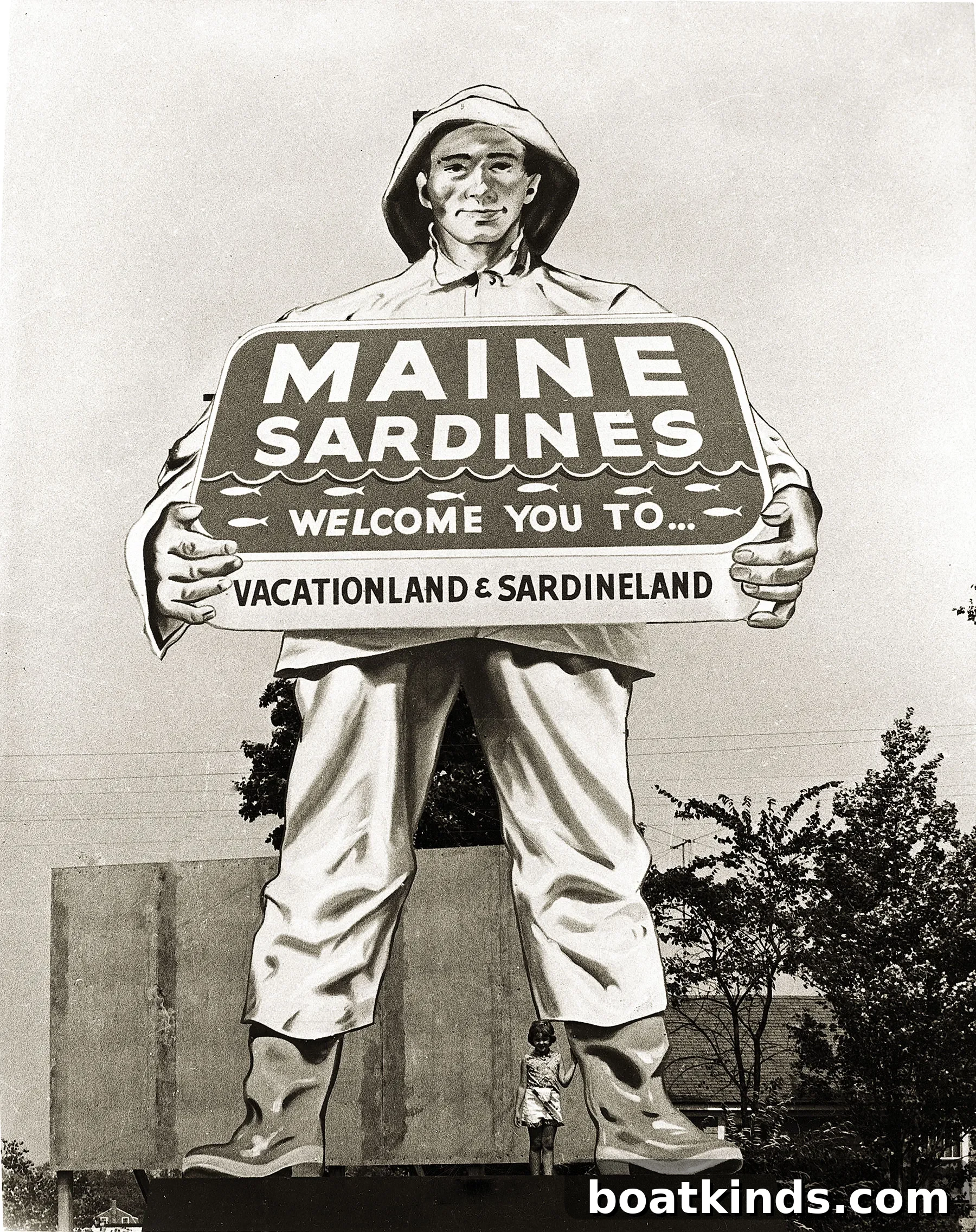
PMM photo archivist Kevin Johnson and digital collections curator Matt Wheeler lead a small, dedicated team of staff and volunteers who scan, caption, catalogue and publish the museum’s photographic collections online. Their work involves not only processing donations and bequests but actively seeking forgotten or inaccessible holdings. For example, Johnson discovered the work of Kosti Ruohomaa among the museum’s Maine Sardine Council photos and traced the photographer’s negatives to a storage facility in New Jersey. Those materials, once retrieved, added tens of thousands of images to PMM’s holdings and opened new avenues for research and public access.
As the photo archive expands, so do the challenges. Scanning and cataloguing tens of thousands of negatives requires substantial time and funding, and some collections must be acquired from private owners or agencies before they are lost. Film and photographic negatives deteriorate over time, and when the original photographers pass away, valuable contextual information—names, dates, captions—can be lost forever. PMM relies on donors and community partners to preserve these materials and the stories they contain.
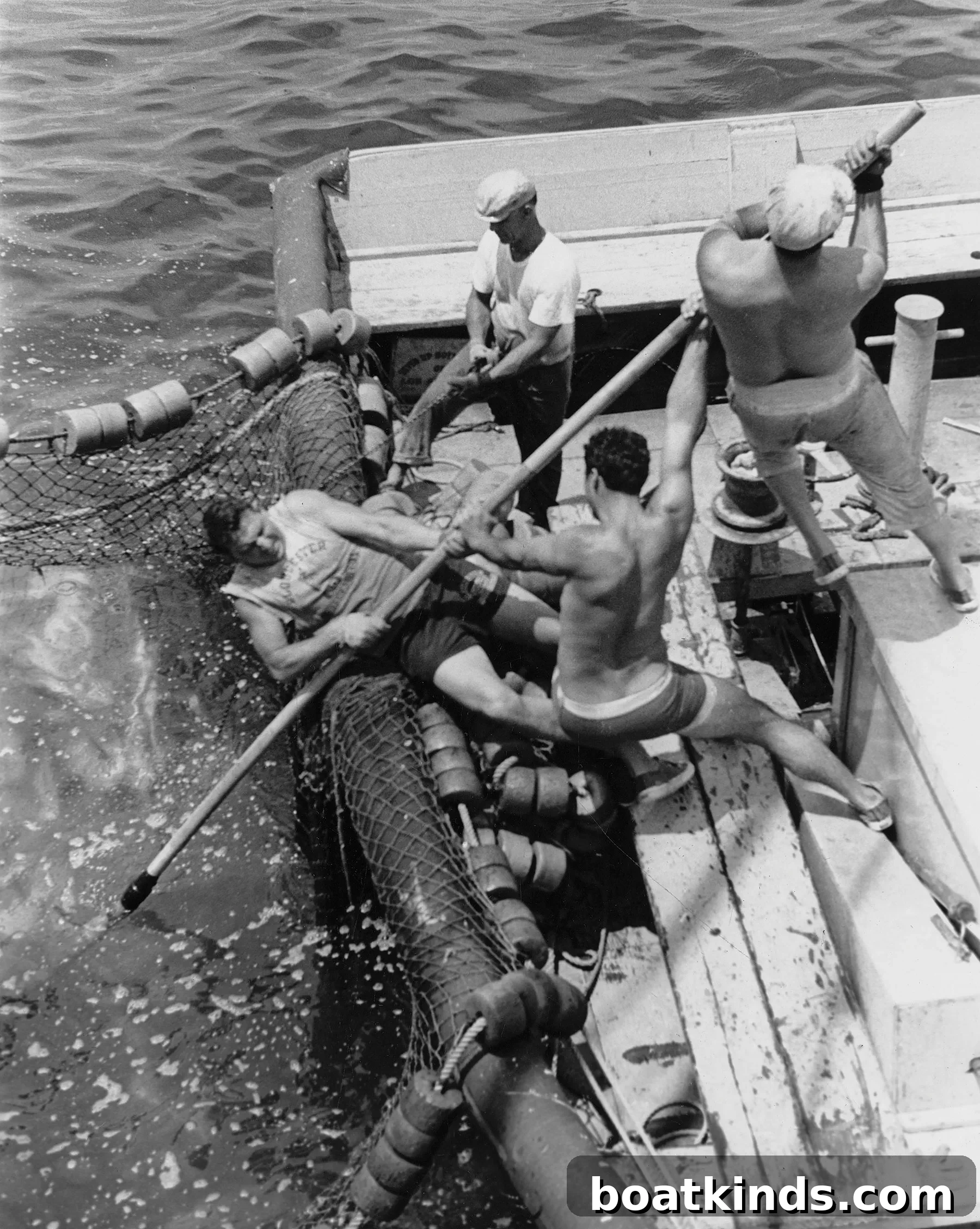
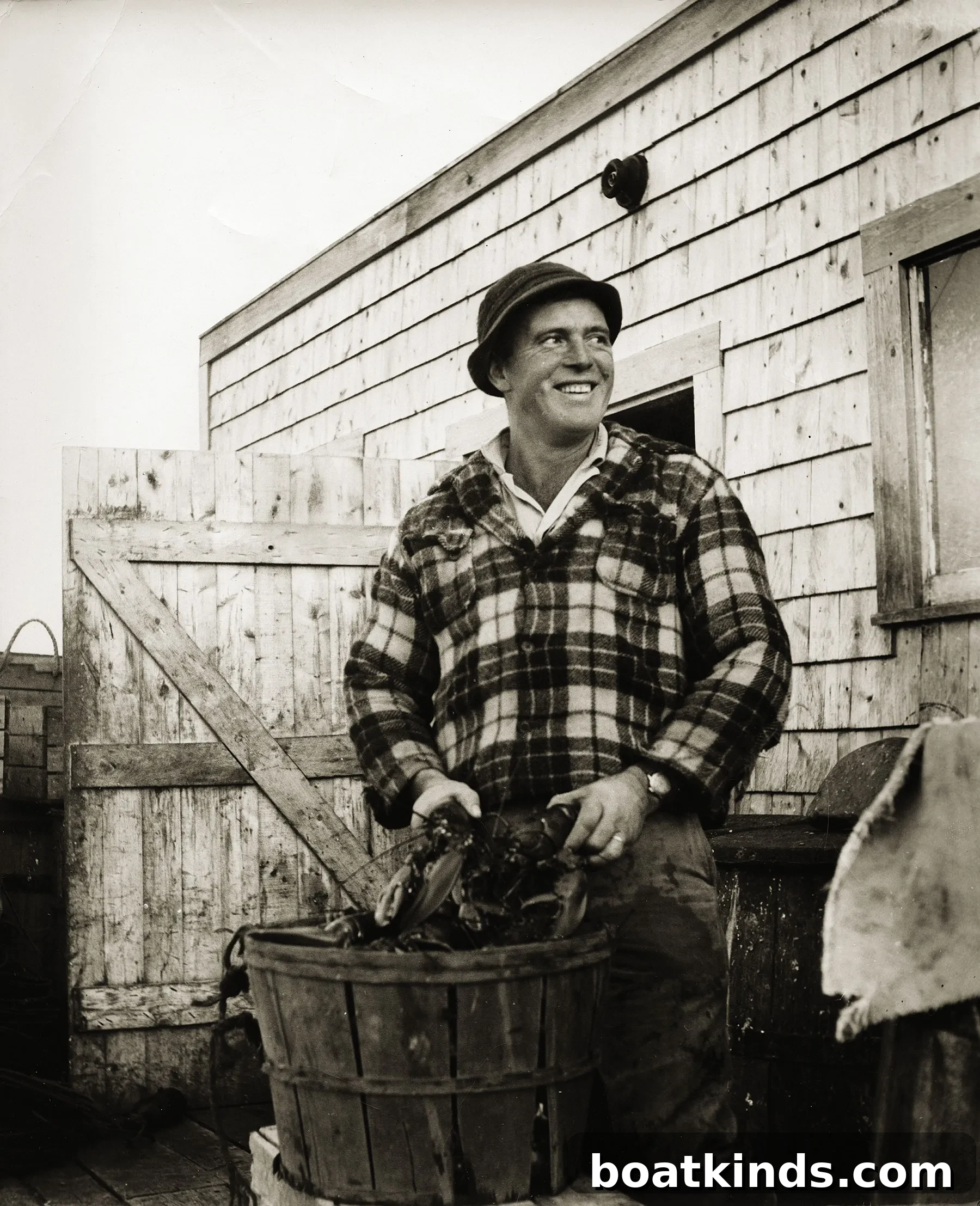
Johnson continues to work with living contributors when possible. He recently connected with Martin Bartlett, a photographer who documented seining and longlining research on swordfish and tuna during the mid-20th century. Bartlett brought boxes of photographs and home movies to the museum, and despite his advanced age he has visited regularly to help ensure his work is preserved and digitized.
Revealing Hidden Detail
Digitization has transformed how the public and researchers experience these images. PMM now offers roughly 120,000 photos online, with an additional estimated 200,000 items awaiting scanning. Since the museum began putting images online in 2010, digitization—especially of large-format negatives—has revealed details that were not visible in early contact prints or postcards. Matt Wheeler notes that enlarging high-resolution scans can uncover small moments: a panoramic view can reveal children playing on a dock or working boats in surprising detail. These discoveries enrich historical interpretation and make the archive more useful and engaging for visitors worldwide.
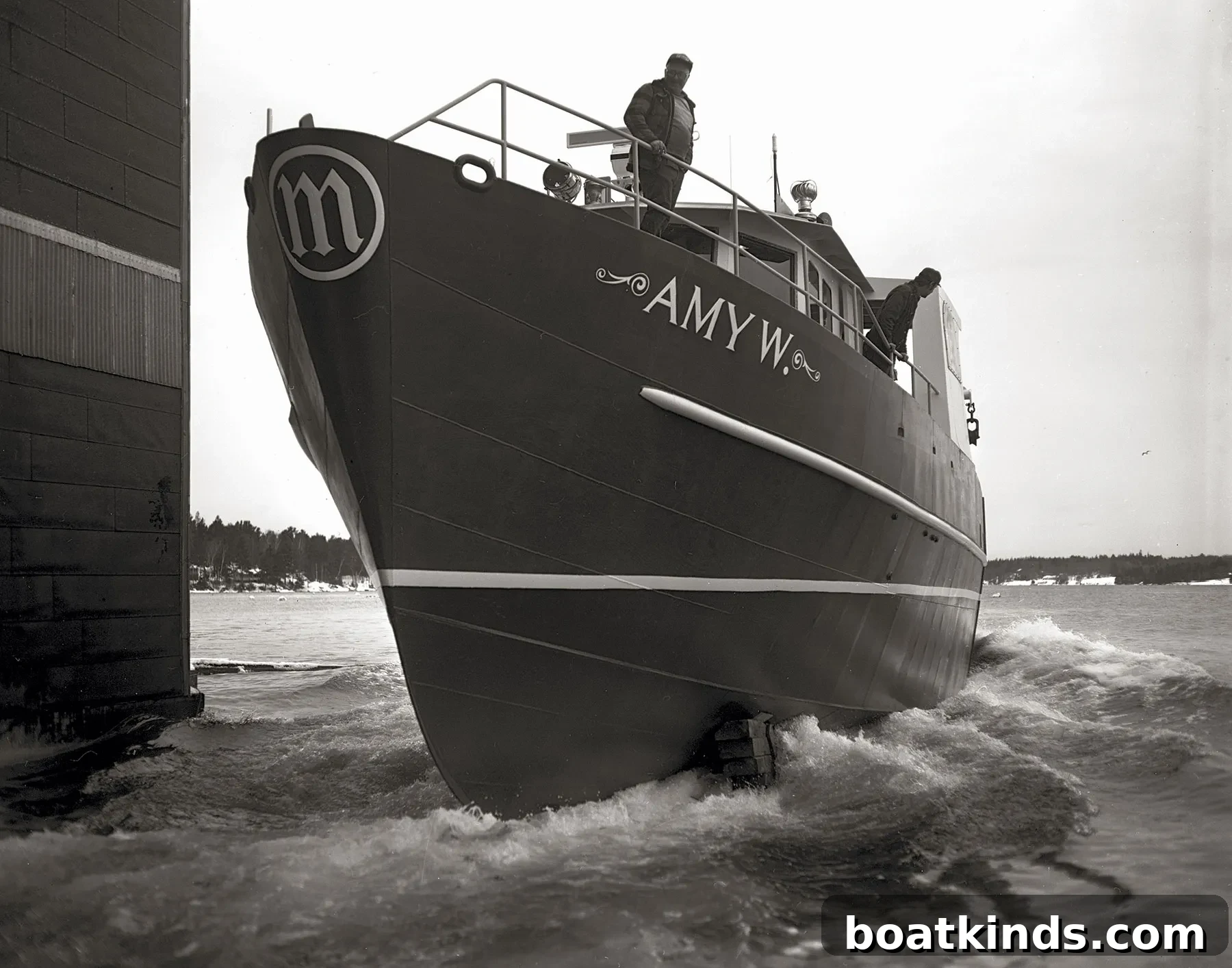
For the Penobscot Marine Museum, the work of preserving and sharing these images is ongoing. Through donations, targeted acquisitions, volunteer effort and digital publishing, the museum keeps Searsport’s maritime stories alive—allowing new generations to see the world that sailors and photographers once recorded at sea and in port.
This article was originally published in the April 2022 issue.