
On June 1 the Atlantic hurricane season began, the red snapper season opened, and the Deepwater Horizon well continued to discharge massive quantities of oil into the Gulf of Mexico—more than a half-million gallons a day at that time.
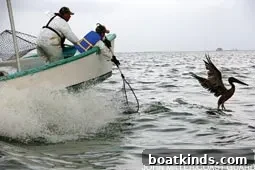
Charter captain Mike Eller tracked daily updates as the spill and the expanding no-fishing zone inched closer to his home port in Destin, Florida. Speaking by phone from his 65-foot charter boat Lady Em, Eller described the uncertainty facing Gulf captains: they were still fishing, but closure could come in days or weeks—or not at all. Eller and other captains knew the stakes: the summer months are when most charter operators make the bulk of their annual income.
By early June, tar balls were washing ashore in Pensacola while steady southwest winds pushed surface oil east along the Panhandle toward Fort Walton Beach, Destin and Panama City. Charter fleets in Venice, Louisiana; Biloxi, Mississippi; and Orange Beach, Alabama were already hemmed in by oil. Anticipating a likely shutdown, many Destin captains canceled bookings and signed up to support cleanup efforts through BP’s vessel-of-opportunity program. Eller hoped to fish through the season if possible, but said he might apply to work on cleanup efforts if fishing closed.
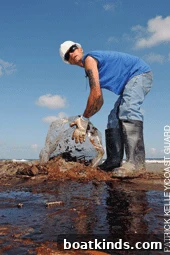
The human and economic toll was already visible. On the 56th day after the rig explosion that killed 11 workers, BP had capped the wellhead and was pumping oil to the surface but official estimates still ranged widely. Conservative totals placed tens of millions of gallons already in the Gulf, with coastal impacts stretching from Louisiana east through Mississippi, Alabama and Florida, including the possibility of effects as far-reaching as the Keys. Photographs of oil-soaked seabirds and contaminated marshes underscored the scale of what many called the worst man-made environmental disaster in U.S. history.
A busy storm season
Compounding the crisis, NOAA forecast an “active to extremely active” hurricane season, with dozens of named storms and multiple major hurricanes possible. Colorado State University researchers also warned of a heightened likelihood that a major hurricane could strike the East Coast or the Gulf Coast. NOAA noted that while surface oil has little effect on hurricane strength, storms could disperse or accelerate biodegradation of oil, but they could also drive oil far inland with storm surge, contaminating marshes and storm debris.
Oceanographers warned the consequences for coastal marshes could be severe. A modest surge can inundate very flat marshlands across the Mississippi Delta and other parts of the Gulf Coast; oil carried in by surge can smother vegetation and wildlife and cause long-term damage to fragile ecosystems. Scientists also pointed to submerged oil plumes detected at depths of 1,000 feet or more—droplets suspended underwater by dispersants and turbulence. Those plumes are invisible from space, travel with currents, and pose a direct threat to reefs and deepwater marine life.
If a hurricane struck the Gulf, BP would be forced to halt well-capping operations, relief-well drilling and surface cleanup activity, extending the time oil remained uncontrolled and complicating response efforts.
So many unknowns
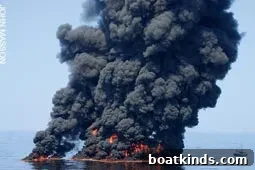
From captains and marina owners to conservation scientists, people up and down the Gulf Coast faced a summer of uncertainty. Researchers deployed satellites, ships, aircraft, computer models and remote sensors to map both surface and subsurface oil and to predict where it might travel and how it might change.
Some oil was expected to be carried south into the Loop Current and on into the Gulf Stream, where it could be swept east along the Florida straits and potentially travel up the Atlantic coast as far as the Outer Banks of North Carolina. Much depended on how the oil weathered: surface slicks can evaporate and thicken into pudding-like tar, which eventually breaks into tar balls. Tar balls float and may be a nuisance on beaches, but they are less likely to coat coral reefs than thin surface slicks.
Computer models showed that oil entrained in the Loop Current could move at tens of miles per day and accelerate dramatically in the Gulf Stream, increasing the geographic footprint of potential impacts. But researchers cautioned that whether oil remains a thin surface film or becomes distributed deeper through mixing was difficult to predict—making planning and response challenging for emergency managers and coastal communities.
Taking a big hit
Tourism-dependent communities felt the economic impact immediately. Charter fleets in the Mississippi Gulf Coast and other regions were sidelined by federal closures and the visible presence of oil. Red snapper season—critical for many charter operators—opened to muted demand as offshore permitted reefs fell inside closure zones. Captains reported widespread cancellations and mounting financial strain despite modest advance payments offered by BP for lost trips.
Tourism boards and state officials launched campaigns to counteract misinformation and reassure visitors where waters remained clean. The Keys and other destinations used live webcams, frequent updates and social media to show oil-free beaches and encourage bookings, while emphasizing the uncertainty and evolving nature of the threat.
Engines at risk
Boat owners and marina operators also faced practical hazards. Engine manufacturers warned that even small amounts of oil ingested into cooling systems can damage engines and subsystems, and oil contamination of running gear can cause mechanical failures. Hull coatings and antifouling systems can be compromised by oil exposure, affecting long-term maintenance and appearance.
Some marinas offered temporary safe harbor, storage discounts and engine repair services to help boat owners threatened by the spreading oil. Response coordinators mobilized skimmers, booms and vessels of opportunity along threatened coastlines, deploying millions of feet of containment and absorbent boom in attempts to protect sensitive shorelines.
Coast Guard and federal officials cautioned that full containment and capping would take months. Cleanup of surface oil was expected to continue into the fall, while restoration of damaged marshes, beaches and fisheries could take years.
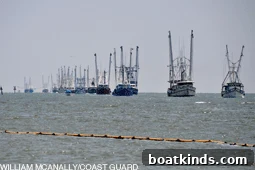
The spill disrupted livelihoods, stressed fragile ecosystems and raised hard questions about preparedness for complex interactions between storms and oil. As scientists refined models and cleanup crews worked along the coast, communities remained on alert for the next development—whether that be advancing tar balls, submerged plumes or the arrival of a tropical storm that could change the course of the disaster.
See related article – Gulf oil spill spurs nautical innovation
This article originally appeared in the August 2010 issue.