
Sandy Hook Pilot Dies After Fall During Tanker Boarding; Renewed Calls to End Hazardous Trapdoor Pilot Ladders
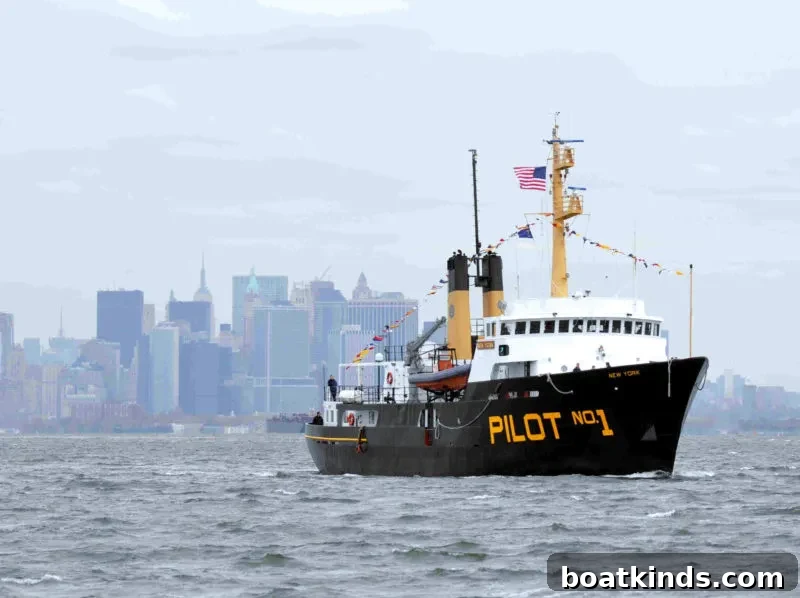
A Sandy Hook ship pilot died after falling while boarding a tanker on August 5. The incident has revived urgent safety concerns and renewed calls from the maritime community to eliminate hazardous trapdoor pilot ladder arrangements that remain in use despite guidelines advising against them.
Incident Overview
The pilot, identified in reports as Captain Murray, had been serving as a ship pilot in the New York and New Jersey area for more than eight years. According to initial accounts, Captain Murray fell while climbing from a pilot ladder onto an accommodation platform during the boarding operation. Falls during pilot transfers are among the most serious risks pilots face, and this tragic event follows the earlier fatal fall of another Sandy Hook pilot, Captain Dennis R. Sherwood, in December 2019.
What Is a Trapdoor Pilot Ladder Arrangement?
The trapdoor arrangement combines an accommodation ladder with a separate pilot ladder that includes a small platform or trapdoor. Rather than a single continuous ladder, pilots must transition from one ladder to another and pull themselves onto the platform while often twisting to find footing. This configuration increases the physical difficulty of the transfer and the risk of losing balance, especially when conning a moving ship, in rough seas, or when decks are wet and slippery.
Why Pilots Are Calling for Change
Approximately 1,200 American ship pilots have voiced support for ending the use of trapdoor pilot ladder configurations. Their appeals emphasize that the arrangement forces pilots into awkward positions during critical moments, increasing the likelihood of falls and serious injury. The calls for change are grounded in practical experience: pilots regularly perform transfers in difficult conditions, and safer, more standardized boarding systems reduce preventable accidents.
Safety Guidance and Industry Practices
Guidelines from maritime safety organizations and industry bodies have warned about non-standard boarding arrangements, including trapdoor configurations. Despite these advisories, the mixed use of different ladder types and improvised boarding setups persists on some vessels. Pilots and maritime professionals argue that consistent adoption of properly rigged pilot ladders, clear procedures during transfer, and better vessel compliance can significantly reduce risk.
The Duties and Risks of Maritime Pilots
Maritime pilots are responsible for safely guiding ships through complex waterways, congested harbors, and confined approaches. To carry out these duties, pilots routinely board vessels underway, often by climbing from a pilot ladder to the ship’s deck or accommodation platform. Transfers require timing, coordination with the ship’s crew, and secure ladder rigging. Even experienced pilots face hazards from vessel motion, weather, and inconsistent ladder setups, which can turn routine transfers into dangerous operations.
Community Response and Next Steps
The recent fatality has prompted renewed discussion among pilots, port authorities, and vessel operators about enforcing safer boarding practices. Many pilots advocate for eliminating trapdoor arrangements entirely and ensuring that pilot ladders are rigged to recognized standards every time a transfer is scheduled. Calls for better training, clearer shipboard procedures, and more consistent regulatory enforcement are likely to intensify as the community seeks to prevent further tragedies.
Further Reading
For background reporting on the challenges pilots face during shipboard transfers and the technical complexities of piloting in major ports, readers can consult industry-focused journalism and feature stories that explore the day-to-day realities of the profession and the engineering of boarding systems.
This fatal accident underscores the ongoing need for vigilance and improvement in pilot transfer safety. When boarding equipment is inconsistent or inherently awkward to use, the risk to even experienced mariners grows. The maritime community continues to push for measures that protect pilots and ensure safer operations for everyone involved in ship movements along busy approaches like those at Sandy Hook.