
Ice Cream Boat: Sweet Treats on the Lake
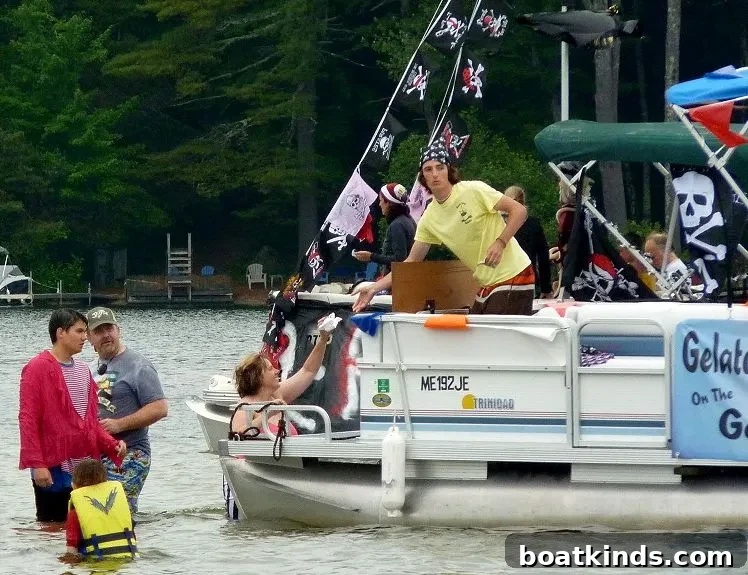
It’s summer, the sun is high and the lake is full of people looking to relax and cool off. For many boaters and swimmers, nothing hits the spot like a cold ice cream or a scoop of gelato. Enter the ice cream boat — a simple, charming concept: a small vessel, often a family pontoon, stocked with frozen treats and cruising slowly along the shoreline so lakeside visitors can buy a sweet snack without leaving the water.
One Young Entrepreneur on Little Sebago Lake
On Little Sebago Lake in Maine, Joe Newlin has spent the past four summers operating such a service from his family’s pontoon. He sells ice cream and gelato to earn money for college, combining a summertime job with the pleasures of lake life. He’s part of a small but growing tradition of mobile lake vendors who bring convenient refreshments directly to people on boats and at docks.
Why the Ice Cream Boat Works
The idea is straightforward and effective: people on the water are often far from shore-based stores. Offering cold treats that can be enjoyed immediately meets an obvious need. The format also fits well with leisurely summer pacing — a slow cruise, an easy transaction, and a happy customer returning to their party with a cone or cup. For customers, it’s convenient; for operators, it can be a seasonal business with low overhead if managed responsibly.
What Makes a Successful Lakeside Vending Operation
Successful ice cream boat operators tend to focus on a few key things. First, product selection matters — a mix of popular flavors, single-serve gelato options, and family favorites works well. Second, equipment reliability is essential: coolers, insulated containers, or small onboard freezers must keep products at the proper temperature. Third, clear, courteous service and a visible menu or price list build trust with customers on the water.
Practical Considerations and Best Practices
Operating any mobile food service on the water also requires attention to logistics and safety. Operators should plan routes that maximize visibility to other boats and docks while avoiding no-wake zones or restricted areas. Proper waste management is important — trash and food containers must be stored securely and brought to shore for disposal to protect the lake environment. Maintaining good hygiene, using secure storage to prevent contamination, and following local regulations for food vending are all necessary steps.
Safety and Respect for Local Rules
Many lakes and local authorities have specific rules about commercial activity on the water, permitting, and health regulations. Before starting any boat-based vending, checking municipal and state requirements is essential. Operators should also be mindful of safety: life jackets, clear navigation lights for evening hours, and not operating in poor weather are basic precautions that protect both vendor and customers.
Community Benefits and Seasonal Charm
The ice cream boat adds a distinct summer charm to a lake community. It creates casual, friendly interactions among neighbors and visitors and provides a pleasant, convenient service that enhances the recreational experience. For young entrepreneurs and seasonal workers, it’s also an opportunity to learn business skills — handling money, customer service, inventory control and route planning — while enjoying outdoor work.
Growing Tradition
Joe’s story is not unique; similar ventures appear on lakes across the country wherever there’s demand for on-water refreshments. Local media and community members often take notice of creative, responsible operators who contribute positively to lake life. For anyone considering this type of summertime business, observing established operators and learning from their practices offers a good foundation for doing it well and respectfully.
In short, the ice cream boat blends convenience, entrepreneurship and summer leisure into a small but memorable service. With proper planning, respect for local rules and an eye toward sustainability, a mobile ice cream service on a pontoon can be a delightful addition to lake days for both operators and customers.