
Superstorm Sandy left a trail of destruction that extended far beyond the New Jersey and New York coastlines. The storm’s force reached inland as far as Ohio, and the boating community suffered heavily: boats were torn from moorings and found strewn across highways, yards and parking lots. Thousands of damaged vessels entered auction catalogs, and in the weeks afterward officials were still trying to locate owners whose boats had been swept away or badly damaged.
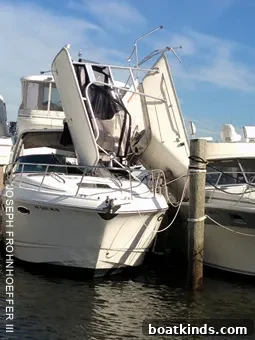
“It’s not just hurricanes on the coast. We’ve had weather-related claims all over the country,” says Bob Adriance, technical director of BoatUS, the nation’s largest insurer that specializes in boats. His observation highlights a broader shift: severe weather events are affecting boat owners across many regions, not only on traditional hurricane-exposed shorelines.
After a year marked by unusually severe weather—from droughts and heat-driven wildfires to a spate of tornadoes and the devastation of Sandy—many insurance brokers, consultants and underwriters agree on one near-term outcome: marine insurance rates will rise. Those increases reflect the financial reality insurers face after large-scale losses.
“The first thing marine owners have to focus on is the fact that their insurance is going to go up,” says Andrew Barile, an independent insurance and reinsurance consultant based in California. “Everybody is going to have to pay. The distribution system works that way. If the industry loses money, they’ve got to get the money back.” In other words, premium adjustments are likely to be widespread as carriers rebuild reserves depleted by storm claims.
Because boats were so widely damaged by Sandy, the nautical community may feel these rate hikes more acutely than other sectors. “Boat owners … will likely see a sharper rise in rates than others because of the widespread marine damage incurred during Sandy,” says Steve Evans, who analyzes alternative risk transfer and weather risk markets. In places where the storm inflicted heavy losses, boaters should be prepared for insurance price increases and tighter underwriting.
Slip availability and berthing costs are also expected to change. Chris Squeri, director of the New York Marine Trades Association, warns that marinas in hard-hit areas will likely face slip shortages in the following spring and summer seasons, and that constrained space will drive slip rates higher. For owners who depend on seasonal slips, that could translate into higher ongoing costs in addition to rising insurance premiums.
Rates have been relatively soft in recent years because intense competition for market share kept pricing low. That dynamic may shift if insurers begin to reassess their exposure or retreat from specific coastal markets. When carriers withdraw or scale back, the reduced competition can accelerate premium increases and make coverage harder to find. Some boat owners may experience the same market pressures that have long affected homeowners and boaters in certain parts of Florida—where high risk and large losses have pushed up prices and narrowed options.
“If someone decides it’s too risky and gets out, there’s always someone who will come back in,” Adriance says. “The boat owners will just have to pay for it.” This suggests that while coverage options may not disappear permanently, they will likely become more expensive and possibly less comprehensive for many owners.
On the claims side, the initial rush of prompt payments has slowed. Greg Wright, a second-generation broker at the Manasquan, N.J.–based John B. Wright agency, says insurers were quick to issue checks in the immediate aftermath of Sandy but have since tightened their reviews. Before the storm, the agency’s typical customer-to-claims ratio along the Jersey coast was about 4.5 percent; after Sandy it jumped to 41 percent. With a BoatUS estimate of $650 million in boat damage, Wright says insurers will need to increase premiums to rebuild their financial positions.
Storm patterns and population growth complicate the outlook. NOAA data referenced in industry analyses indicate that the Atlantic region is only a few years into what could be a multi-decade cycle of elevated storm activity. Population density in many Gulf and Atlantic coastal counties has grown substantially, concentrating assets and exposure in low-lying coastal zones. Where people store boats—on exposed slips, in open yards, or tucked into sheltered coves—will increasingly influence underwriting decisions and premium levels.
Adriance suggests that marina practices could affect insurance costs for individual boat owners. Marinas that proactively haul vessels and secure them on land or in protected storage before storms may be able to negotiate better terms or discounts, because those measures reduce the risk of loss. Conversely, boats left exposed in high-risk locations may face higher premiums or stricter coverage terms.
For boat owners, the immediate practical steps are straightforward and important: review insurance policies carefully, assess the location and protection of the vessel, and revisit coverage limits and deductibles annually. “All insurance buyers should look at their policies and analyze their risks annually,” Wright says. If owners ignore this advice, he warns, “they’re playing with fire.” Proactive planning—such as confirming marina storm procedures, evaluating storage alternatives, and documenting equipment and condition—can help protect both vessels and finances in a changing risk landscape.
March 2013 issue