
Confiscated Sailing Vessel “Dylan” Sunk to Create Artificial Reef in the Gulf of Mexico
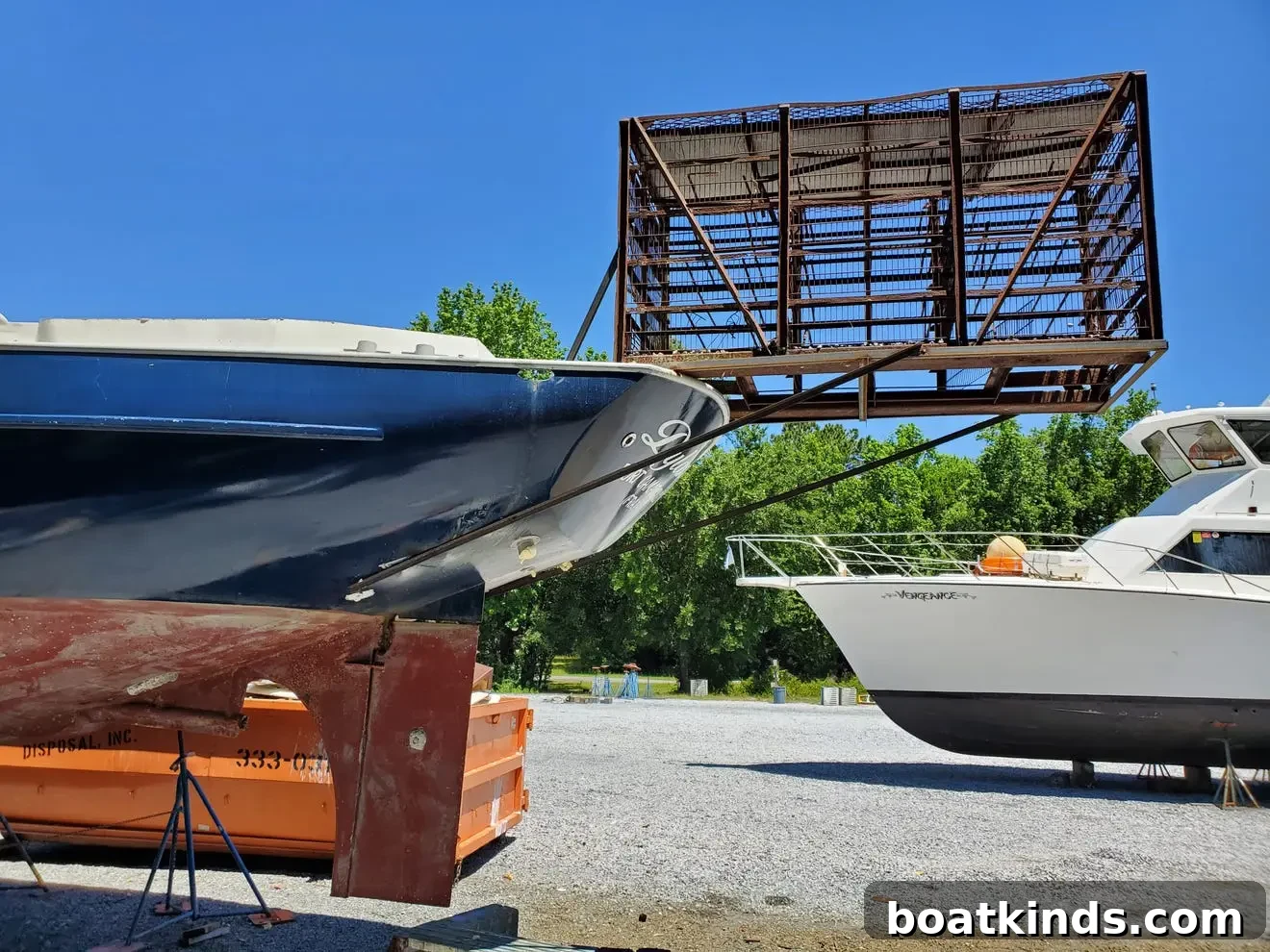
A sailing vessel identified as the Dylan, found to contain a substantial quantity of cocaine, has been taken out of service and intentionally sunk in the Gulf of Mexico to serve as an artificial reef. The vessel arrived in Port Everglades, Florida, aboard a cargo freighter after departing Martinique, and drew scrutiny from U.S. Customs and Border Protection agents because the cost to ship the boat far exceeded its apparent value.
During a follow-up inspection of the hull, officers discovered the concealed narcotics. After the seizure, U.S. Customs and Border Protection transferred ownership of the vessel to the local county at no cost, and the boat was subsequently prepared and placed on the seafloor as a man-made reef intended to attract marine life and create a destination for scuba divers and recreational anglers.
Artificial reefs created from decommissioned vessels are frequently used by coastal communities as a way to expand underwater habitat, promote recreational diving and fishing, and support local tourism. Rather than letting confiscated or derelict vessels deteriorate in storage or be scrapped, donating them for reefing can provide both ecological and economic benefits when the proper environmental precautions are taken.
Before a vessel is sunk for reef purposes, authorities typically follow established preparation procedures to remove hazardous materials and ensure compliance with environmental regulations. These steps commonly include draining fuel and oils, removing electrical components and asbestos-containing materials, and cutting access points so the structure is safe for divers and marine life. Such cleaning and decontamination are necessary to minimize pollution risks and to meet permitting requirements from state and federal environmental agencies.
Once prepared and permitted, the cleaned hull is towed to a designated reef site and intentionally sunk in a controlled operation. The resulting structure can quickly become colonized by algae, corals, and invertebrates, which in turn attract schools of fish and larger predators. Over time, a sunken vessel can develop into a thriving underwater community that enhances local biodiversity and creates new opportunities for recreational and commercial fishing.
For coastal economies, artificial reefs often contribute to increased dive tourism and charter fishing trips, bringing visitors who spend at marinas, dive shops, restaurants, and lodging. Local governments and resource managers typically weigh these potential benefits against environmental concerns and consult with marine scientists to select appropriate sites and methods that protect existing habitats and navigation channels.
In this case, the Dylan’s conversion into an artificial reef repurposed a vessel seized during a law-enforcement action into an asset for marine recreation and habitat enhancement. The local county accepted the donation from U.S. Customs and Border Protection and coordinated the vessel’s preparation and sinking. Officials described the reef as an intentional effort to create new diving and fishing opportunities in the Gulf, contributing to both coastal recreation and habitat complexity.
Seized vessels have been used by authorities and communities across the United States as reef material when other disposal options are limited or when a reef project aligns with regional resource management goals. Such projects still require oversight, environmental assessment, and community input to ensure they meet safety standards and do not negatively affect protected resources.
The Northwest Florida Daily News reported on the seizure and subsequent reefing of the Dylan, noting the ship’s arrival in Port Everglades and the decision to donate and sink it as a reef attraction. Local divers and anglers are now expected to benefit from the new underwater site, while officials continue to monitor the long-term ecological development and recreational use of the area.
Turning a confiscated vessel into an artificial reef is a clear example of how law-enforcement outcomes can be redirected toward public and environmental uses when handled through established cleanup procedures and regulatory processes. When properly managed, these reef projects can pay dividends for marine habitat, wildlife, and coastal economies while ensuring public safety and environmental protection.