
Cooler air and lower humidity signal relief from the heat of summer, the local pool closes for the season, and boatyards begin to haul vessels out of the water. For many boat owners, the thought of leaving a boat wrapped up for months prompts a familiar response: head south on the ICW. South Carolina and Georgia are common winter havens for East Coast snowbirds, but Florida remains the top destination. Within Florida, Fernandina Beach and Amelia Island stand out as a favorite wintering spot—and after years of cruising the state, my wife Stacey and I always return to this stretch of coastline.
We first visited Fernandina Beach during our year-long Great Loop adventure in 2003 and have come back by boat, car and plane ever since. The area feels right for many reasons, starting with its convenient location on the Intracoastal Waterway. Fernandina Beach lies at Mile 716 and is Florida’s northernmost city; it’s easy to pass by on a southbound transit. The town sits on the west side of Amelia Island and is also accessible from the Atlantic via the wide, well-marked St. Mary’s Channel.
Within walking distance of the historic downtown is the Fernandina Beach Harbor Marina, rebuilt after suffering severe damage from Hurricane Matthew in 2016. Recent work on the Amelia River Waterfront Stabilization Project completed Phase One, adding a new seawall and a riverside walkway that has become a popular gathering place. Locals and visitors alike come here to watch an especially memorable Fernandina sunset.
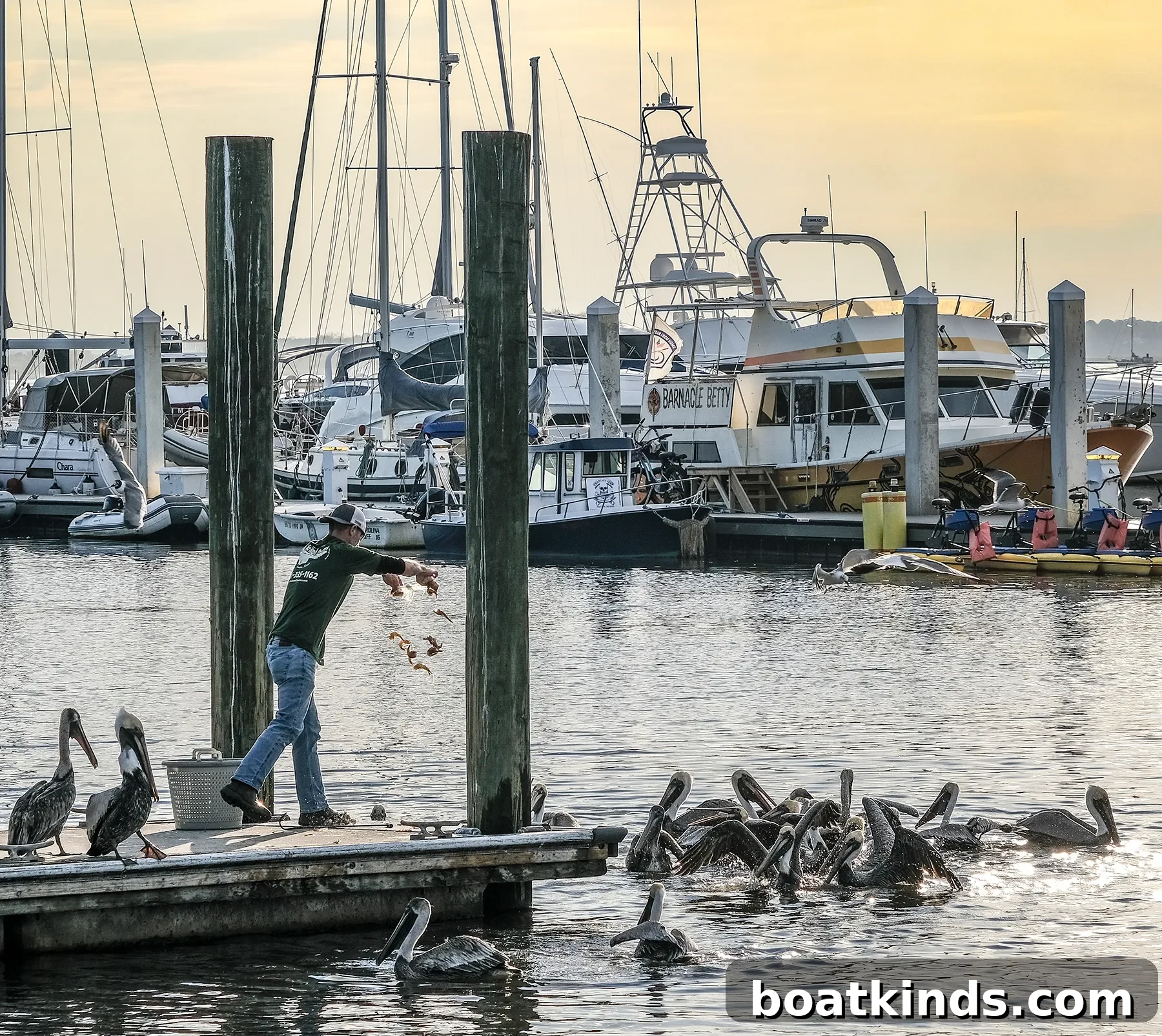
Walking through the historic district, you’ll notice a row of eight flags flying above several buildings—symbols of the different nations and factions that controlled the area since French explorer Jean Ribault first visited in 1562. After the Civil War, Fernandina Beach grew into a busy seaport known for shrimping and tourism. Over time the town has prospered while retaining its small-town charm, making it one of the best-kept secrets along the ICW.
Snowbirds often ask about winter weather here, given that Fernandina is the northernmost town in Florida. We’ve spent plenty of time in December and February and found the climate agreeable—cool but rarely cold. You can usually enjoy a walk in a light sweater and windbreaker. In January, the coldest month, the average high is about 65°F and the average low is about 46°F—comfortable compared with the freezing winters to the north.
The town has become livelier in recent years, especially on weekends when visitors from nearby areas flock to the shops, pubs and restaurants downtown. Yet it’s not crowded, and the community has struck a balance between welcoming tourists and preserving residents’ quality of life. Newer upscale places have opened, but the area’s original character remains intact. One timeless favorite is the Palace Saloon, established in 1903 and associated with Adolphus Busch of Anheuser-Busch fame. It has long served fishermen, captains and travelers—try the famous Pirates Punch, but only if you’re on foot. For a casual morning pick-me-up, Hola Cuban Cafe serves strong Cuban coffee and fresh fruit pastries that do a fine job of restoring energy after a long night or a chilly morning watch.
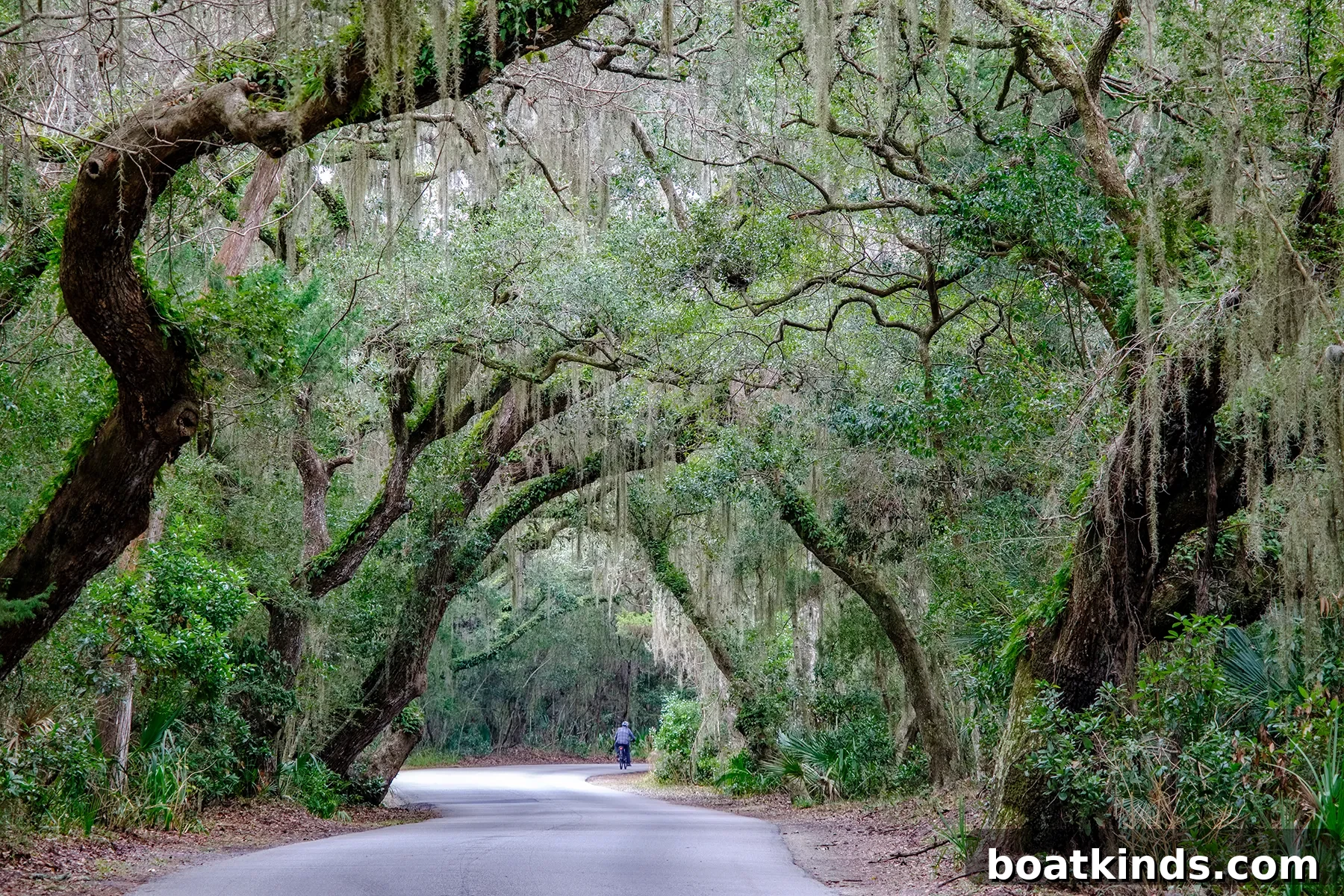
While most boaters won’t spend an entire winter aboard here, Fernandina Beach makes an excellent base for exploring the region over a week or more. Six miles north lies Cumberland Island, where cruisers can anchor or tie up at the north end of the Sea Camp docks for the day. If you do anchor, be mindful of tidal ranges—typically seven to nine feet—and of the shoal off Drum Point Island. From the docks, a short hike leads to expansive beaches and to the ruins of Dungeness, the old Carnegie estate. On the island you may see feral horses wandering the grounds—descendants of animals that have roamed the island for generations.
Just three miles north of Fernandina is the historic town of St. Marys, Georgia. One of the nation’s older towns, St. Marys showcases Victorian homes, cozy inns and a colorful past. The Submarine Museum is an engaging stop for families, located near the Kings Bay Submarine Base, home to the Navy’s Ohio-class submarines. Check your charts for restricted areas near the base and give way to military traffic if you encounter it on the water.
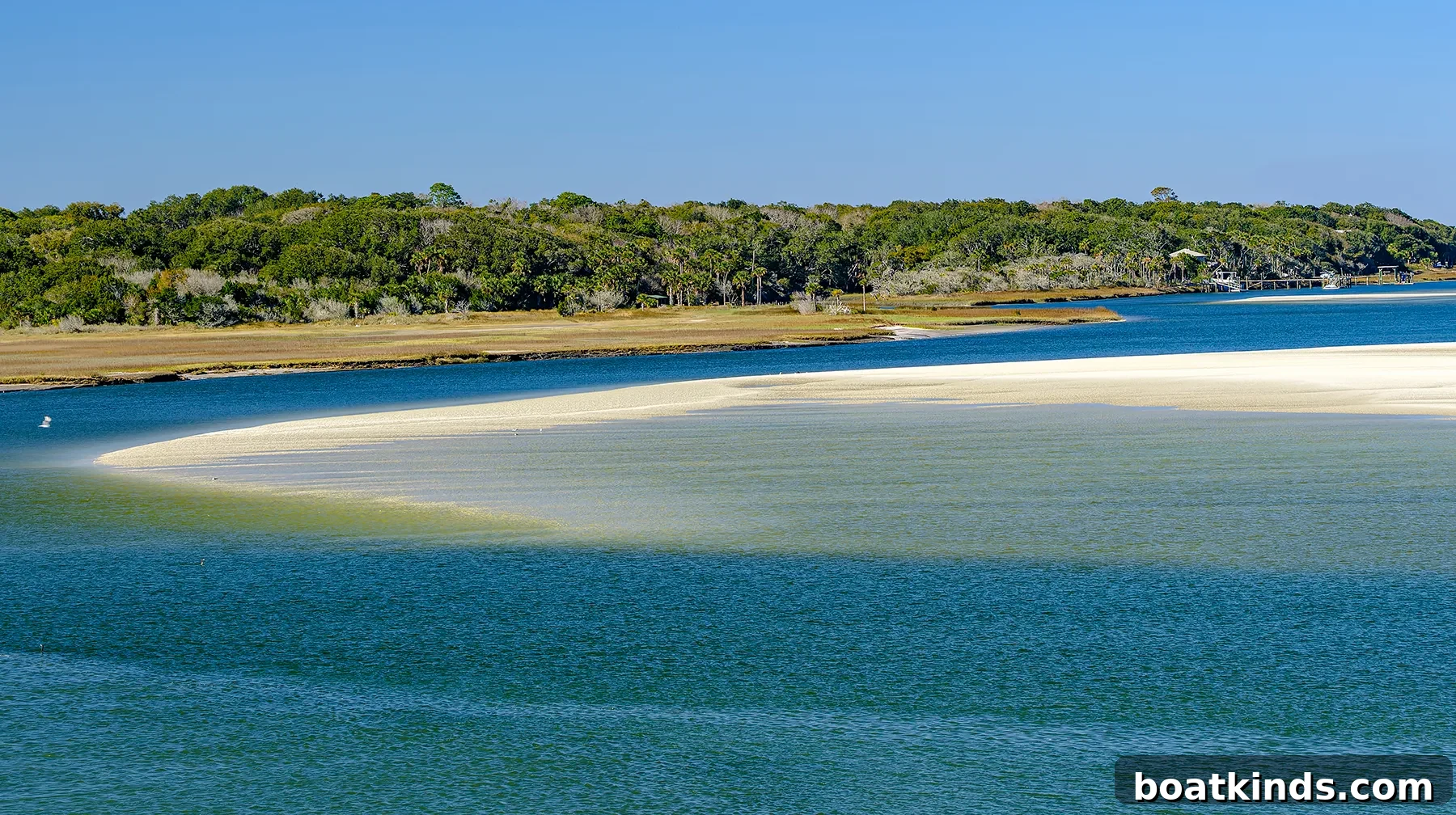
History enthusiasts should not miss Fort Clinch, just a short distance from downtown. Constructed in 1847 as part of coastal defenses, it was abandoned by Robert E. Lee in 1861 and later held by Federal troops. During the Great Depression the fort was restored to reflect its Civil War-era condition, and it was listed on the National Register of Historic Places in 1972.
Arguably the area’s greatest draw is the long stretch of beautiful, often uncrowded beaches along Amelia, Talbot and Fort George Islands. While many snowbirds have their favorite Florida shores—Daytona, Sanibel, Captiva and others—these beaches offer a different experience: broad sands, quiet dunes and shaded picnic spots under trees draped in Spanish moss. Drive south on scenic A1A and stop at designated parking areas to hike short trails to the shore, or pack a lunch and spend the day in one of the state parks.
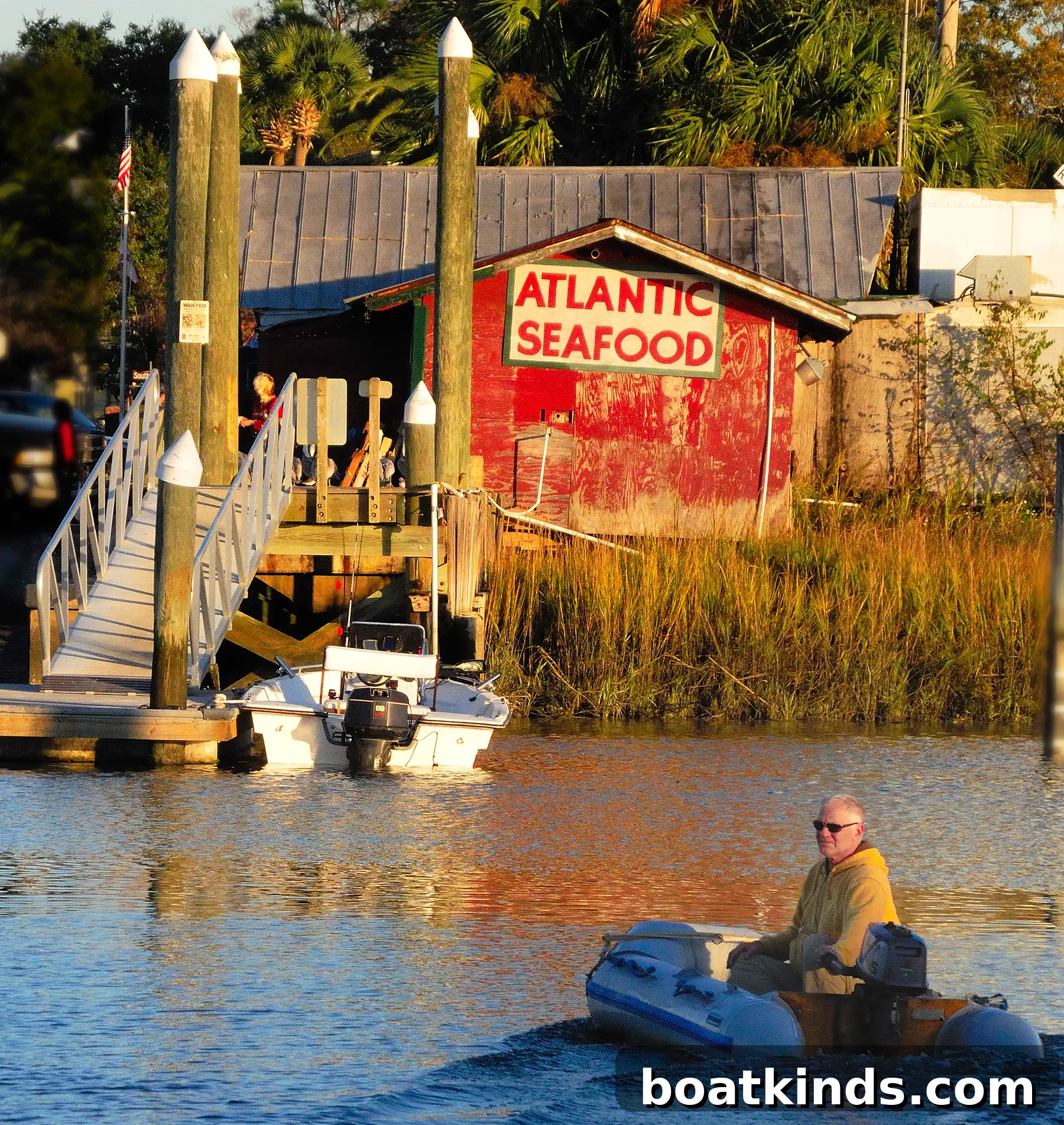
We began our beach exploration at Amelia Island State Park at the island’s southern tip and had the sand almost entirely to ourselves in February. A short drive south brought us to Blackrock Beach, where striking driftwood formations create a photographer’s dreamscape. A little farther along are Big Talbot Island State Park and Little Talbot Island State Park, both offering serene, mostly empty stretches of shoreline. Stacey, an artist, spent an afternoon painting the Bahama-like scenes at Alimacani Park on Fort George Island—hard to believe this quiet coastline is only a few miles north of bustling Jacksonville.
If the signs of winter are appearing where you live, consider joining the flotilla of snowbirds heading south along the ICW. Make Fernandina Beach and Amelia Island your first stop in Florida—chances are you’ll return, just as we always do.
This article was originally published in the September 2022 issue.