
Spot Launches “Seven Safety Tips” Campaign to Improve Recreational Boater Safety
Spot, a recognized name in personal satellite messaging and emergency communications, has introduced a public safety initiative called the “Seven Safety Tips.” This campaign is designed to raise awareness about common risks on the water and to remind recreational boaters of practical, high-impact steps they can take to stay safer. Spot’s effort also highlights the advantage of including a Spot Satellite GPS Messenger as part of a boating safety kit.
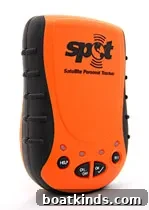
The “Seven Safety Tips” campaign focuses on prevention, preparedness, and practical response. While the campaign’s central goal is education, it also underscores how modern safety tools—like satellite GPS messengers—complement traditional precautions. For boaters who travel beyond cell coverage or who spend extended time offshore, adding a satellite device to standard safety gear can provide an extra layer of assurance.
Why Boater Safety Matters
Recreational boating is a popular way to spend time on the water, but it comes with hazards that are often underestimated. Changing weather, equipment failures, and navigation mistakes can escalate quickly when help is not immediately available. By adopting basic safety habits and bringing reliable communications equipment, boaters reduce the likelihood of incidents becoming emergencies and improve the chances of a timely, effective response if something goes wrong.
Core Safety Practices for Recreational Boaters
Spot’s campaign reinforces familiar, evidence-based practices that experienced boaters and safety instructors recommend. These include ensuring everyone aboard wears a properly fitted life jacket, filing a float plan so someone ashore knows your itinerary, and checking weather and sea conditions before departure. Regular vessel maintenance and fuel checks prevent avoidable breakdowns, while clear navigation planning helps avoid collisions and groundings.
Other dependable precautions include carrying adequate signaling gear (flares, horns, and visual signals), packing a well-stocked first aid kit, and ensuring that onboard lights and bilge pumps are operational. Many of these steps are low-cost and highly effective at reducing risk.
The Role of Satellite GPS Messengers
Satellite GPS messengers can play a valuable role in a layered safety approach. Unlike cell phones, which depend on terrestrial networks, satellite messengers communicate via satellite systems and can operate where cellular service is unavailable. For recreational boaters operating far from shore or in remote areas, these devices offer a way to share location information, send status updates to contacts, and request assistance in emergencies.
Incorporating a satellite messenger alongside basic equipment does not replace core safety practices; instead, it enhances overall preparedness. When combined with life jackets, reliable navigation tools, and a clear float plan, a satellite messenger increases the odds that help will arrive quickly when it’s needed most.
Practical Tips to Put the Campaign Advice into Action
To apply the guidance promoted by Spot’s “Seven Safety Tips,” consider these practical steps:
- Prepare a written float plan and leave it with a responsible person onshore.
- Confirm everyone aboard knows where life jackets and emergency gear are stored and how to use them.
- Perform a pre-departure checklist that includes fuel, battery charge, engine condition, and safety equipment.
- Monitor weather forecasts and local advisories throughout your trip.
- Carry a mix of communication tools—VHF radio, mobile phone, and a satellite GPS messenger—so you have options if one method fails.
- Practice basic emergency drills, such as man-overboard recovery and emergency signaling, so responses are calm and efficient under stress.
- Keep contact and registration information updated in any devices you use for tracking or messaging.
Conclusion
Spot’s “Seven Safety Tips” campaign serves as a timely reminder that safety on the water depends on preparation, awareness, and the right combination of equipment. For recreational boaters, blending time-tested safety practices with modern satellite communication tools offers a practical way to reduce risk and improve outcomes during emergencies. Boaters who take these recommendations seriously can enjoy recreational time on the water with greater confidence and peace of mind.
For readers interested in the official announcement, consult Spot’s published press materials or the company’s communications channels to review the full campaign details.