
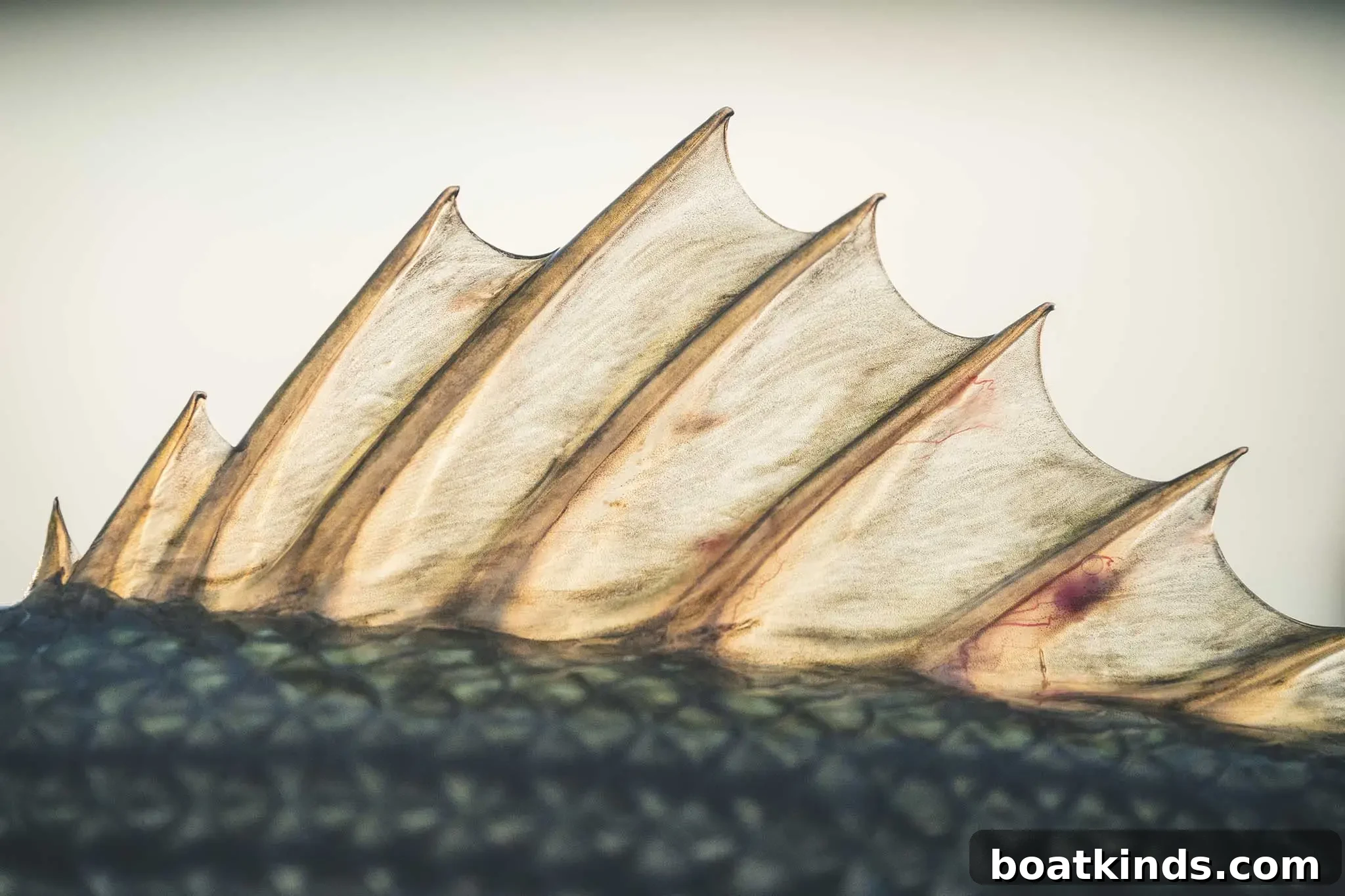
Photos by Jessica Haydahl Richardson
It’s mid-July, the heavy, humid dog days of summer, and the breeze on our faces as we run at 25 knots is a relief. My friend and I are heading to a small island off southern New England that will stay unnamed. The seas are calm, the resident stripers have settled into summer patterns, and we’ve got the whole night ahead of us.
We arrive a little before dark and spend time gauging the current and drift, careful to avoid drawing attention. Stripers in shallow water on a still night are easily spooked, so we keep lights low and noise to a minimum. Nighttime stealth matters when sight-fishing shallow structure for summer striped bass.
Over years of fishing these waters we’ve learned the summer bite. We prefer drifting close to shore on Sunday nights, when most weekend anglers have already headed home. If you can, avoid Saturdays. With the tide, wind and drift in our favor, two dozen eels in the cooler, freshly tied leaders and sharp hooks, we’re ready.
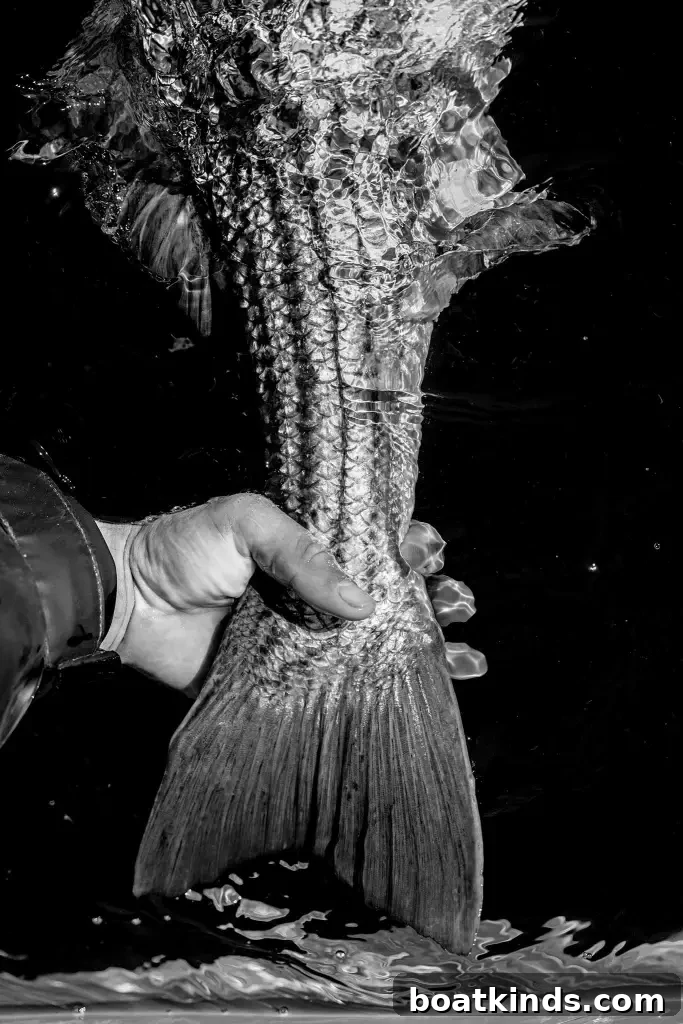
Our usual summer routine is to drift a cast or two off the rocks, cast eels as tight to structure as possible, and work them slowly back toward the boat. With two anglers who know the routine, a good night yields eight to a dozen fish, including a couple in the 15–25 pound range and occasionally a 30-plus. Some nights are quiet, but most are productive when tides and conditions line up.
Landing a big fish on spinning gear in the shallows never gets old. A large striper that eats an eel and rockets into glacial rubble is a serious challenge — it will slap the surface, take line and run deep into jagged rocks. To wrest a 40-pounder from that mess you need a stout rod, strong braid, a heavy leader and a big net.
When the current is ripping past the shore on a moon tide, a calm, skilled partner is essential to quietly bring the boat back up-current so you can battle the fish from the best angle. Heavy drag, tight braid and a long, stiff rod help steer fish away from danger. Revved adrenaline on a warm summer night is part of the appeal.
We also take the time to revive and release mature females properly. Healthy spawning stocks benefit from careful releases, and it’s the least we can do in return for the thrills they provide.
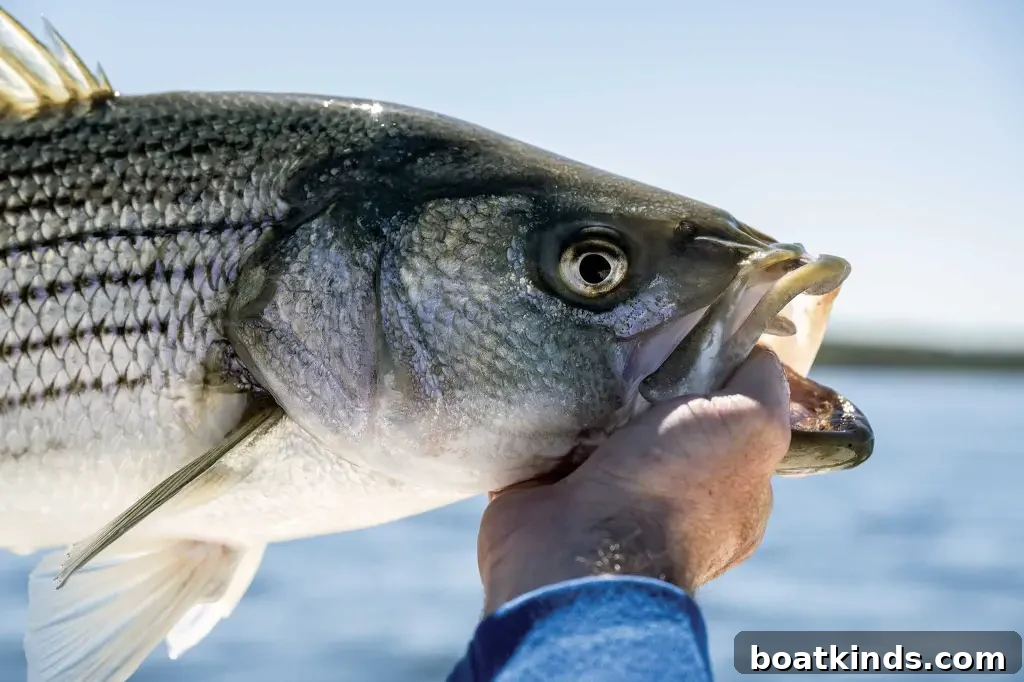
Midnight on a clear summer night, calm water and a star-filled sky offers the most relaxed striper fishing of the year. We fish in T-shirts, shorts and Crocs or ankle-high boat boots, sometimes with a radio tuned to a game for background chatter. If you enjoy cigars, a summer drift is a fine time to indulge. On more than one night we’ve watched private fireworks over island homes while catching bass unnoticed below the bluffs.
Summer is also a great season to introduce casual anglers to striped bass. If someone is hesitant about rough-weather fishing in October, bring them out in July or August — the conditions are kinder and the experience is often unforgettable.
To broaden my understanding of summer striper tactics, I talked with several experienced captains who spend long hours chasing warm-weather stripers. Their approaches vary — from live bait and eels in the shallows to artificials and deep trolling — but all emphasize electronics, local knowledge and reading structure when birds and surface activity aren’t present.
Mike Roy
Capt. Mike Roy of Reel Cast Charters in Old Saybrook, Connecticut, says summer is likely his favorite season. “Summer is more live bait, fewer lures. It’s more structure-oriented fishing, and I like that,” says Roy, who has been chartering for 15 years.
Roy notes that artificials struggle in calm summer conditions unless you have current and bait present. To get lure bites you need a rip, a flow of bait and movement. Topwater opportunities, he adds, are usually limited to first and last light. For night work inshore he often relies on live bunker or eels, and he advocates casting eels tight into boulder fields where bass move in close.
Electronics and local knowledge are crucial in summer when birds and surface shows are scarce. On how long to stay on a spot, Roy avoids extremes: if he’s marking fishless water on a known spot he’ll work it for about 15 minutes, covering surface, midwater and bottom presentations before moving. Small repositioning along a reef often pays off, since fish commonly slide laterally or shift with changing current.
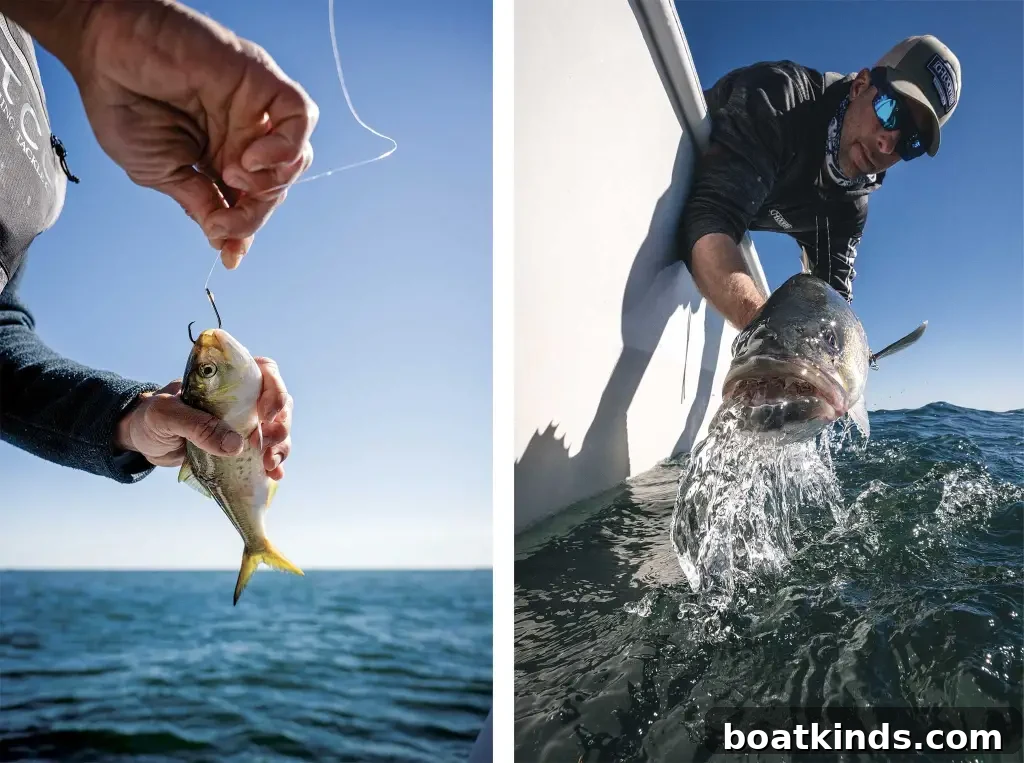
Savio Mizzi
Savio Mizzi, skipper of Fishooker Light Tackle Charters out of Montauk, New York, favors light bucktails for summer stripers. “I fish bucktails,” says Mizzi, “I’ll outfish guys with eels 10 to one.”
Mizzi drifts homemade 1–1½ ounce bucktails in 20 to 50 feet of water on light lines, often 10–15 pound braid with a 20-pound mono top, and strong leaders below. He fishes the bucktails within five feet of the bottom, where summer stripers tend to lie, and stresses action over color. He also ties hackle feathers into his jigs to add enticing movement.
His preferred current is moderate — around a knot to 1.5 knots — and he drifts his jigs rather than jigging vertically. For Mizzi, bucktailing is a feel game: keep the line tight, sense subtle pressure and maintain a consistent retrieve. Mastering this technique takes time, but the rewards can be large fish on light tackle.
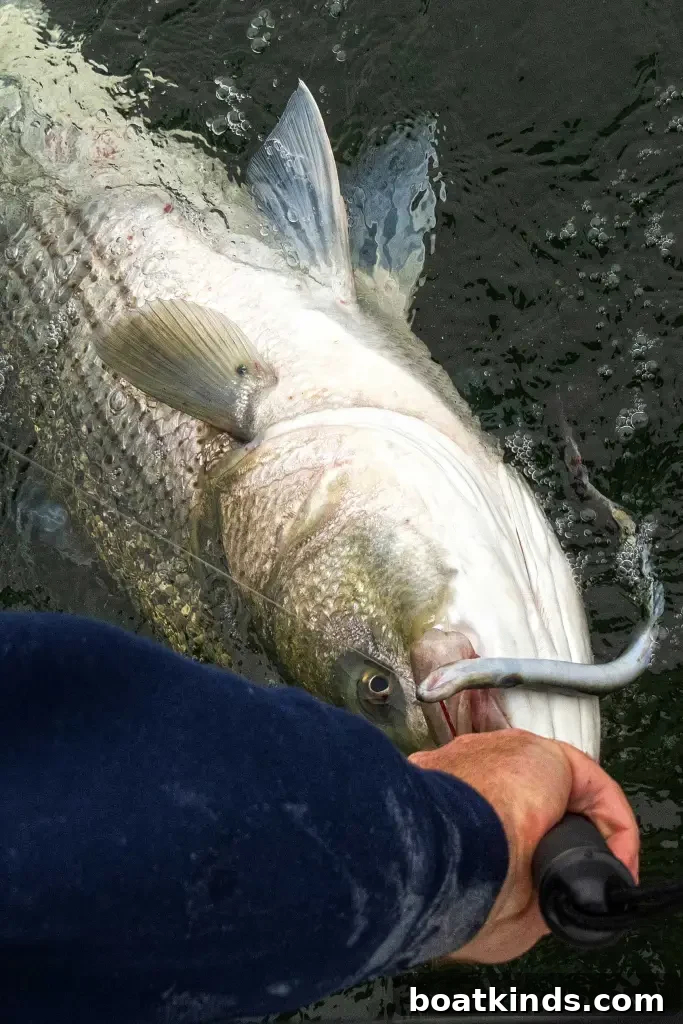
bait for summer stripers. Tom Lynch
Stephen Rhodes
Stephen Rhodes of Morristown, New Jersey, says summer gives anglers a real chance at big resident fish. Rhodes, who fishes from a 35-foot Henriques, trolls homemade bunker spoons deep in the water column and live-lines scup after removing the spiky dorsal. He looks for deep, clean, cool water that supports larger stripers.
Rhodes targets known big-bass areas and has spent decades refining trolling techniques with wire and spoons learned from his father. He emphasizes that effective deep-water striper fishing requires practice and dedication — time on the water usually equals more success. He also warns anglers not to be distracted by other species; hunters of big stripers must stay focused on bass.
Rhodes’ long experience trolling deep spoons has produced notable fish, and he advises newcomers that persistence and equipment tuned to deep presentations are key to finding quality summer stripers.
Erwin Heinrich
Capt. Erwin Heinrich of Highland, New Jersey, runs the Contender Scales N Tales and considers himself primarily an artificial angler, though he’ll use eels or live bunker when conditions demand it. Heinrich focuses more on fluke and offshore species in summer and saves his striper obsession for the fall run, when migrating fish create dramatic surface activity and furious topwater blows.
“Striped bass fishing isn’t T-shirt weather,” Heinrich says of fall fishing. “It’s a hoodie, a rain jacket and fingerless gloves.” For those who can’t wait for autumn, however, summer stripers still offer plenty of action and satisfaction.
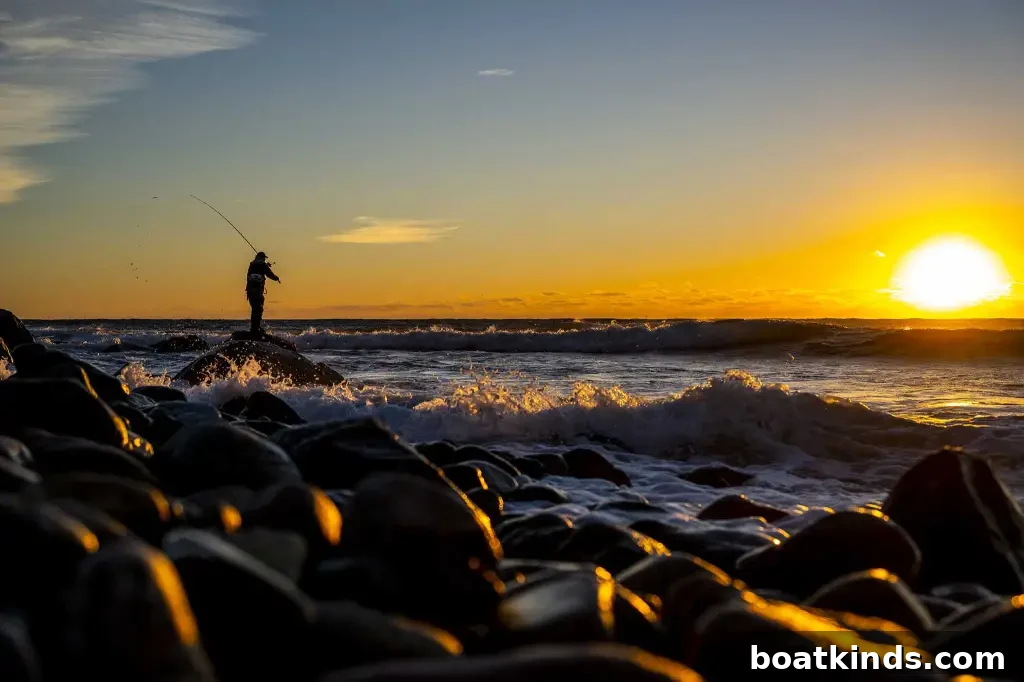
Summer Suds
Some of the most exciting summer surfcasting happens at night among boulder fields, where resident stripers feed on crabs, lobster and small foragefish. These fights play out entirely in the rocks, and you won’t always win them. Successful night surfcasting demands scouting — much of it in daylight — to learn tides, rock contours and safe access points.
Eels are an outstanding scouting bait: big bass struggle to ignore them. You may only get one or two true chances some nights, so make every hook-up count. Check leaders and knots for chafe, replace dulled hooks, and remove worn line sections. A single weak spot can cost you your best fish, especially when a striper buries into kelp or rock.
I’ve also wet-waded sandy beaches at night with jointed or floating lures and light spinning gear; plastics with single hooks now often replace older baits. Occasionally I’ll fish a fly rod in the small summer surf with streamers or Clousers on a floating line. Those outings are relaxed and fun, and on clear, dark nights when the stars are bright and the fish are just active enough, you won’t want to leave the water.
—W.S.
This article was originally published in the July 2026 issue.