
America’s Cup Needs Rules to Put Women on the Boats
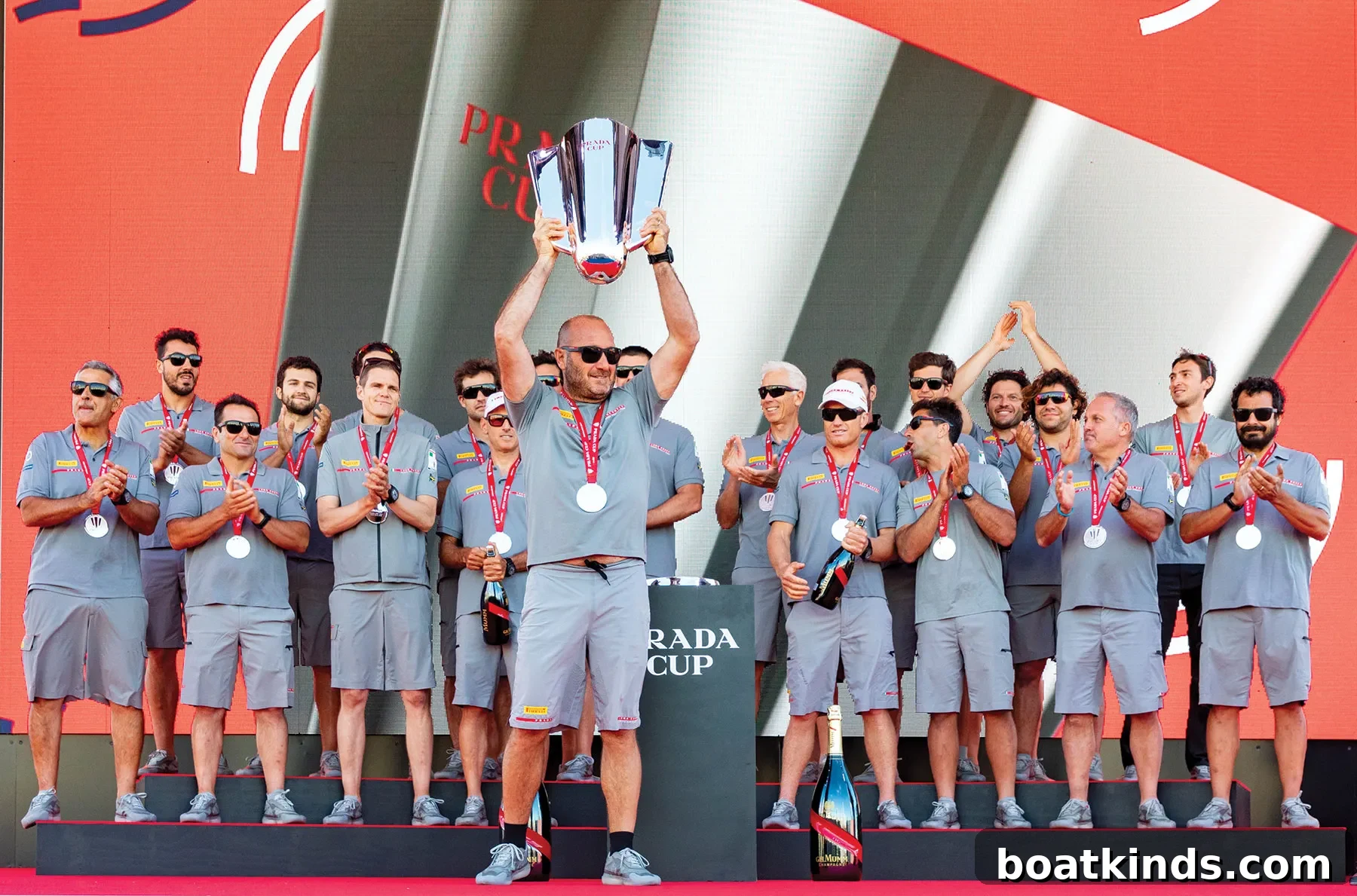
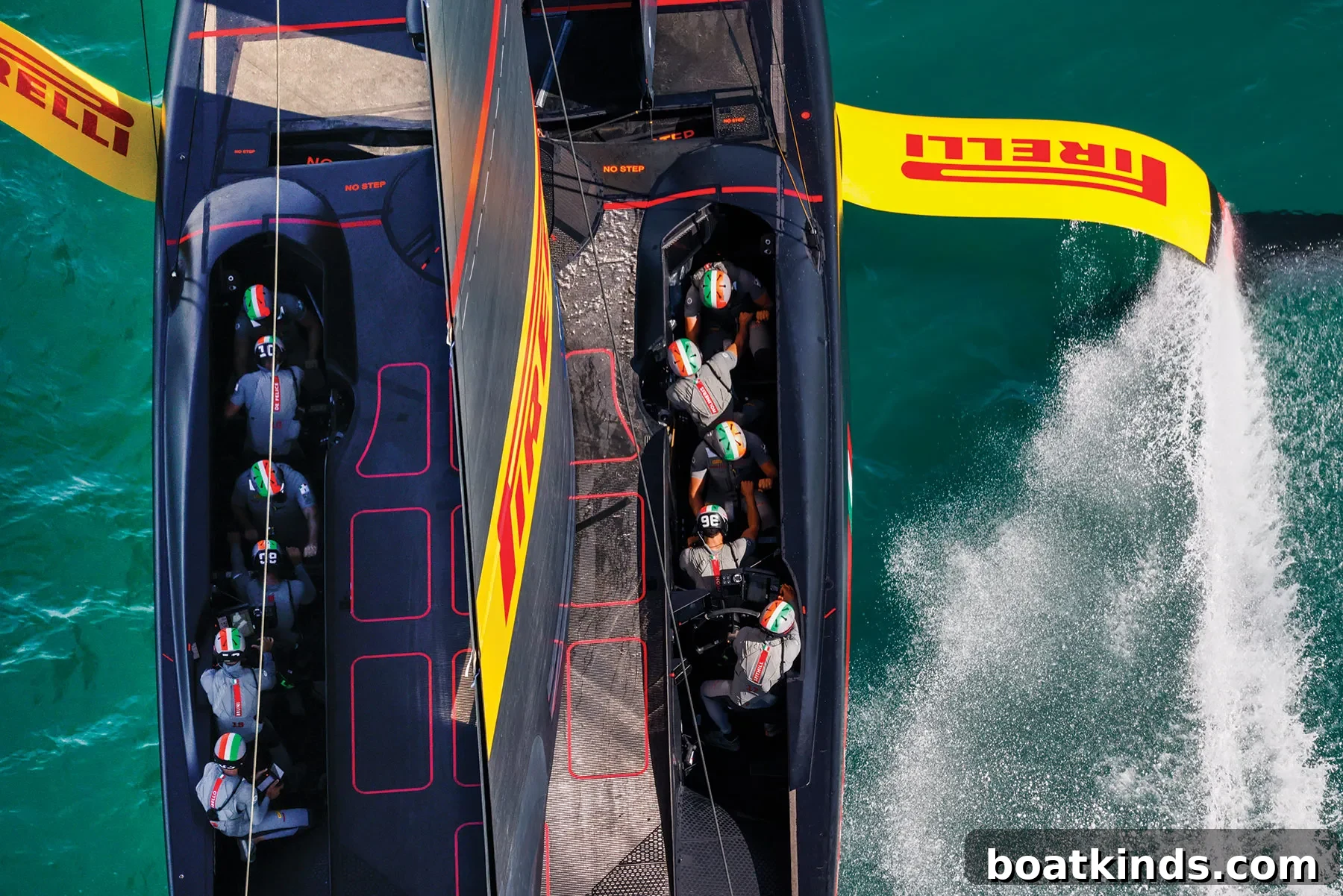
The America’s Cup remains behind the times on inclusion. At the 36th edition, four teams raced AC75s with 11-person crews — 44 sailors in total — and not a single woman was on board. That stark absence is not only disappointing; it undermines the credibility and future growth of the sport.
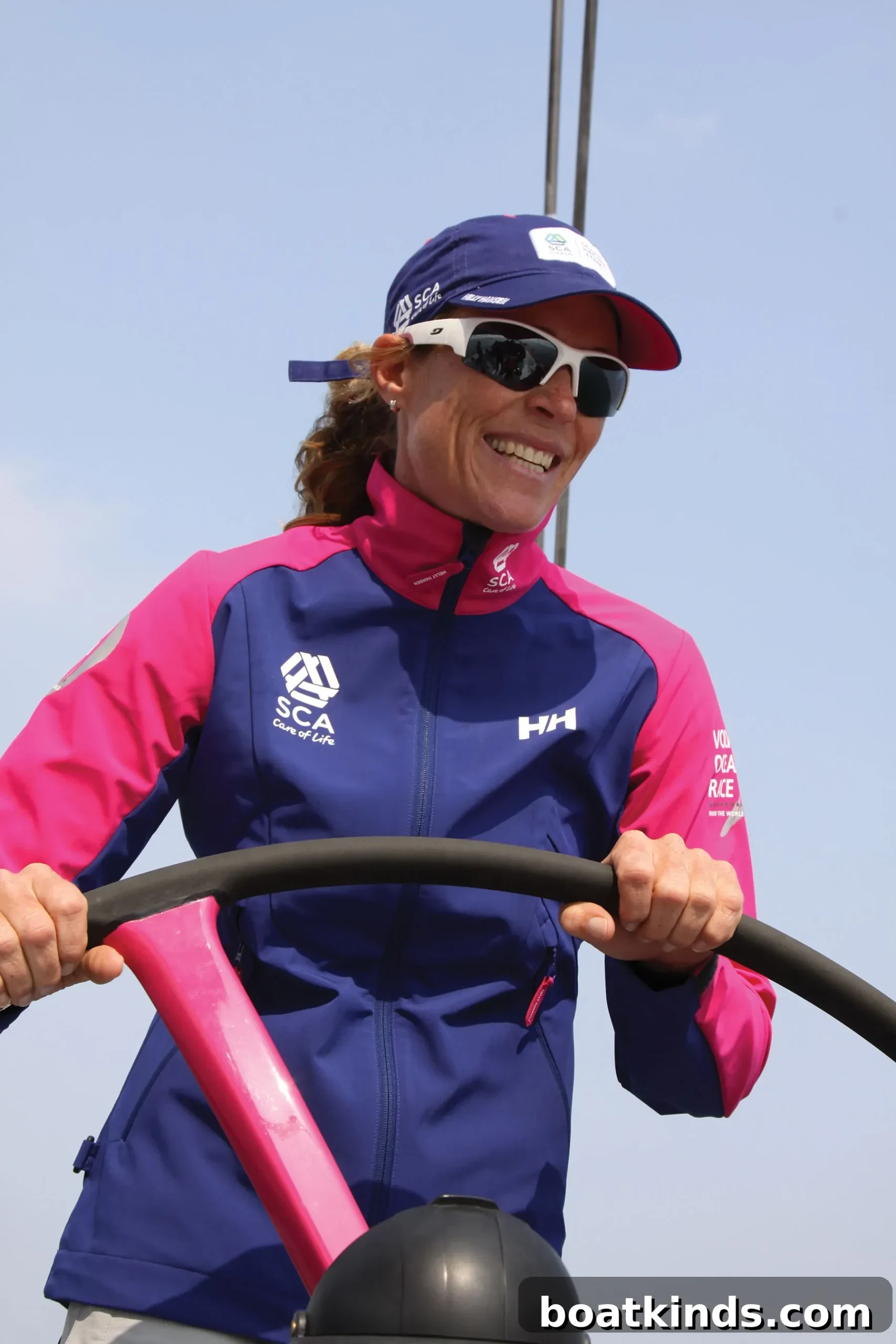
History shows women can compete at the highest level. In 1989 Tracy Edwards skippered Maiden, an all-female crew in the Whitbread Round the World Race, to two leg victories and a second-place class finish despite widespread skepticism. In 1995, Mighty Mary sailed into the America’s Cup arena with an all-woman crew helmed by Leslie Egnot; although a man later joined as tactician, the team proved they could challenge top all-male entries and even beat Young America.
Those successes demonstrate there is no intrinsic reason women cannot sail at the pinnacle of the sport. Yet more than 25 years after Mighty Mary, no woman sailed on any AC75 during the recent Cup. That gap will not close on its own; it requires intentional rules and incentives to ensure female sailors are both invited and enabled to compete.
How rules can create real opportunity
Organizers of the 2017–18 Volvo Ocean Race introduced crew gender-ratio rules to open a clearer pathway for female participation. Skippers who included women were allowed extra crew slots: all-male crews were capped at seven sailors, while teams with two women could sail with nine, an even split allowed ten, and all-female crews could sail with eleven. That policy encouraged teams to recruit accomplished women, raising several into prominent racing roles.
Similar incentives could be applied to the America’s Cup. Practical approaches include limiting the number of male grinders on all-male teams while permitting additional grinders when women are included, or offering weight exemptions tied to gender-balanced crews. The current AC75 crew weight window is set between 2,116 and 2,182 pounds. Because lighter crews can have an advantage in lighter winds, allowing crews with a mix of lighter female grinders to compete below the minimum weight — when a specified number of women are aboard — would be a measurable, performance-related incentive.
Alternatively, instead of a single helmsman model, a rule could require two helmsmen — a tactic that proved effective for Luna Rossa in the Prada Cup — and mandate that at least one of them be a woman. That change would place women in strategic, decision-making roles where physical strength is not the primary factor.
Strength is not the only argument — and not a decisive one
Some critics cite strength as a reason women can’t compete on AC75s. But the boats also require positions where physical brute force is not essential: helm, mainsail trimmer and flight controller are tactical and technical roles that demand skill, coordination and calm under pressure rather than raw power. Moreover, many elite female athletes match or exceed the fitness and power of male counterparts in analogous disciplines.
Relying on a strength argument conveniently ignores the reality that teams vary crew composition and tactics. Rather than using physicality as an exclusionary excuse, the America’s Cup should create pathways for women to gain foiling monohull experience, to learn by trial — including the inevitable crashes — and to earn their place through competition and practice.
Women are missing both on deck and ashore
The shortage of women extended beyond the boats. Across shore-based roles at the Cup, men held the large majority of positions: of 509 total team slots, only 31 were occupied by women, and many of those roles were administrative, secretarial or hospitality positions. That lopsided distribution is short-sighted. Women bring technical expertise, tactical insight and commercial value — and putting talented women into visible, high-performance roles would broaden the sport’s appeal and inspire the next generation of sailors.
Enacting a rule similar in spirit to Title IX — which helped open sports and education opportunities over the past five decades — could create the structural change needed. Title IX demonstrates that progress sometimes requires mandated opportunity rather than waiting for markets or culture to shift on their own.
Opportunity, not charity
Some will argue women lack experience with foiling monohulls or top-level match racing; but the early AC75 campaigns were marked by repeated learning and visible mistakes by experienced male skippers as teams adapted to new technology. If women are given the same opportunities to train, race and make mistakes, they will acquire the necessary experience. The goal is to design rules that reward teams for bringing top female talent into key roles rather than allowing default all-male lineups to persist.
In short, the America’s Cup needs measurable, enforceable policies to increase female representation on boats and in technical positions. Doing so would not only be fair — it would be good for the sport, its fan base and its commercial future. The message should be clear: sailing is for everyone, and elite sailing should reflect the full talent pool available.
This article was originally published in the May 2021 issue.