
Restoring Vela: A Graves Constellation Reborn
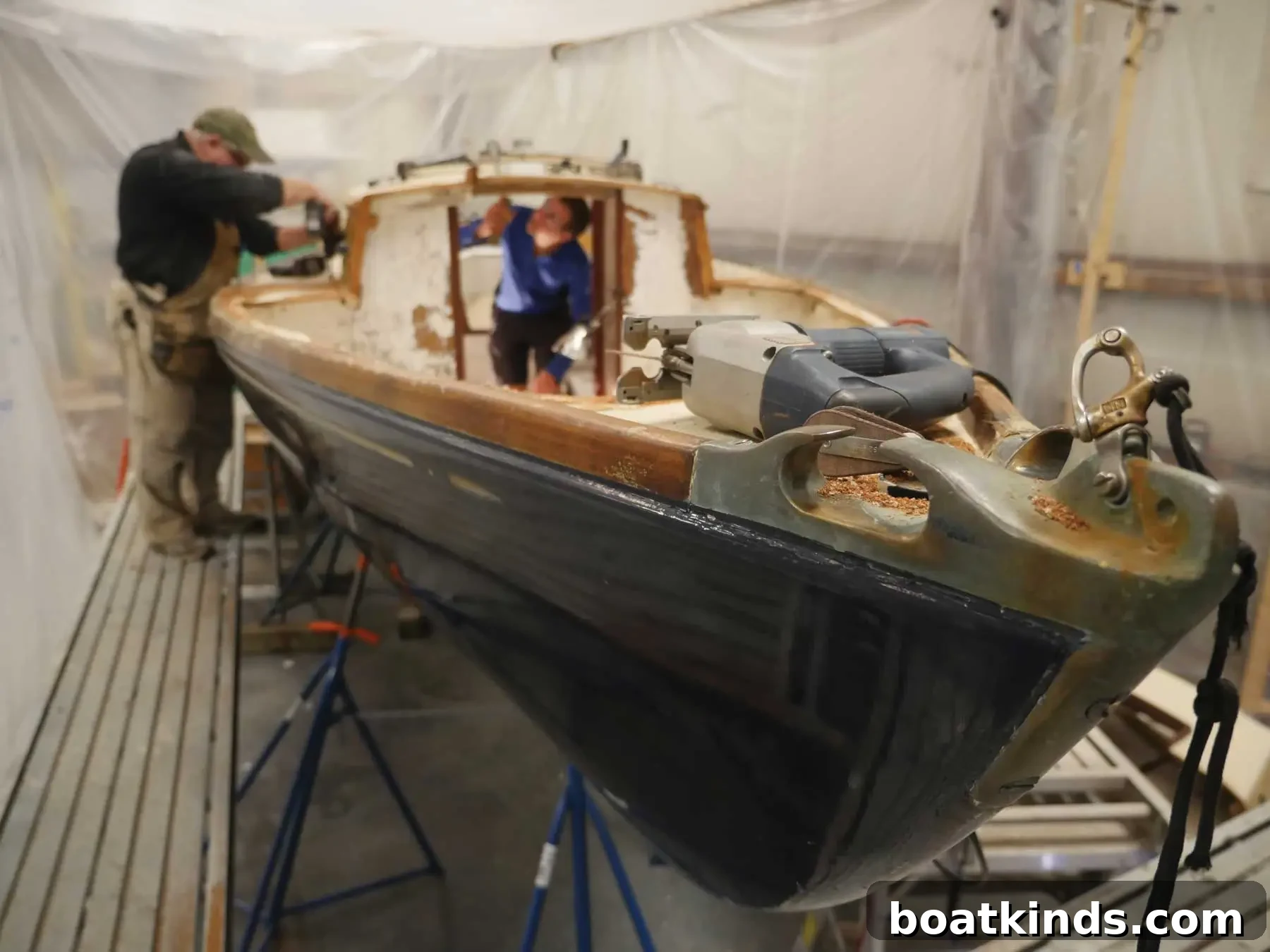
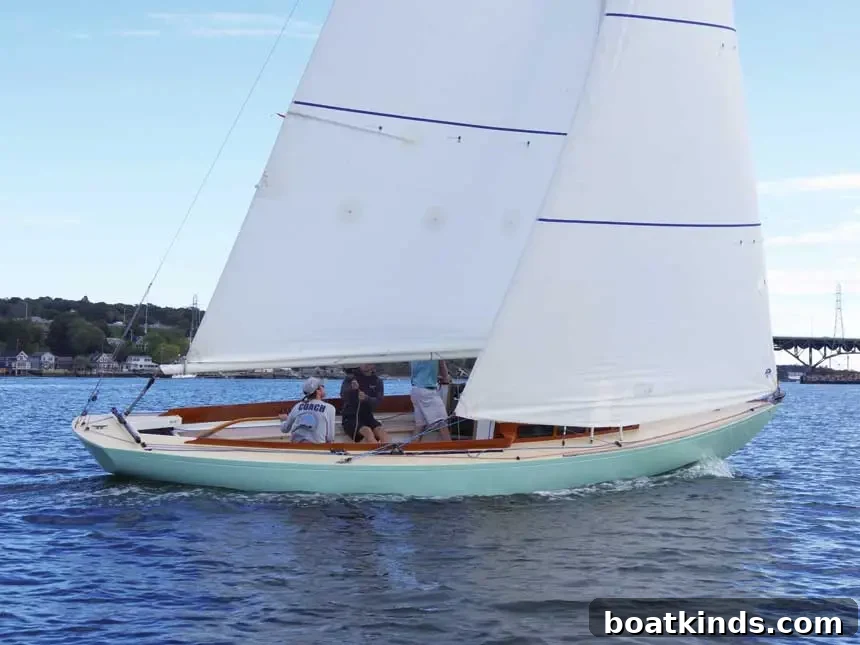
Many sailors have imagined finding an old fiberglass hull, investing time and money, and turning it into a handsome, capable boat. For some, the plan works; for others, the project reveals far more work than expected. Mike Zani of Portsmouth, Rhode Island, discovered that careful planning, expert help and modern materials can transform a tired classic into a lively, usable yacht. His 53-year-old Graves Constellation, renamed Vela, now sails and races on Narragansett Bay after an extensive refit.
Rebuilding deck beams, carlins and house
Painting bulkheads and interior
Patterning for the deck
Installing decks on bulkheads
Vela was Zani’s second major restoration. His first project was a 1962 Cape Cod Marlin, a fiberglass reinterpretation of Nathanael Herreshoff’s 1916 Fish design. Zani and designer Ezra Smith reworked the Marlin’s cabin trunk into a lower, more elegant profile, and Zani built the revised trunk in plywood. That hands-on experience—planning the redesign, doing much of the work personally and finishing with careful paint and varnish—gave him the confidence to take on a larger classic.
Restoring a classic fiberglass boat delivers a special satisfaction, according to those involved. “People think of old boats as slow, but full-keeled designs of the past were often race boats built to be efficient,” says Ezra Smith. Many of these midcentury cruisers were handlaid with solid fiberglass and heavy molded stringers rather than modern foam or balsa cores, so their hulls often remain structurally sound even as wood decks, cabins and trim deteriorate.
The Graves Constellation is a 29-foot-5-inch sloop representative of the mid-1960s cruiser-racer. Graves built 27 Constellations between 1964 and 1971; Vela launched in 1965. Many Constellations display a Herreshoff influence in hull shape and balance, and Vela’s hull proved sturdy enough to accept a major rebuild. The challenge was replacing the aging wooden components—deck, cabin house and cockpit—that had developed significant leaks and rot.
Zani chose a careful approach: he raced Vela for a season to learn her strengths and weaknesses, then assembled a team. Ezra Smith contributed design insight; yacht designer Matt Smith engineered structural upgrades; and Dan Shea of Bristol Boat Company handled the heavy rebuild work. Together they removed the failing wooden structures down to a clean fiberglass hull and rebuilt the boat with modern techniques while respecting the original lines.
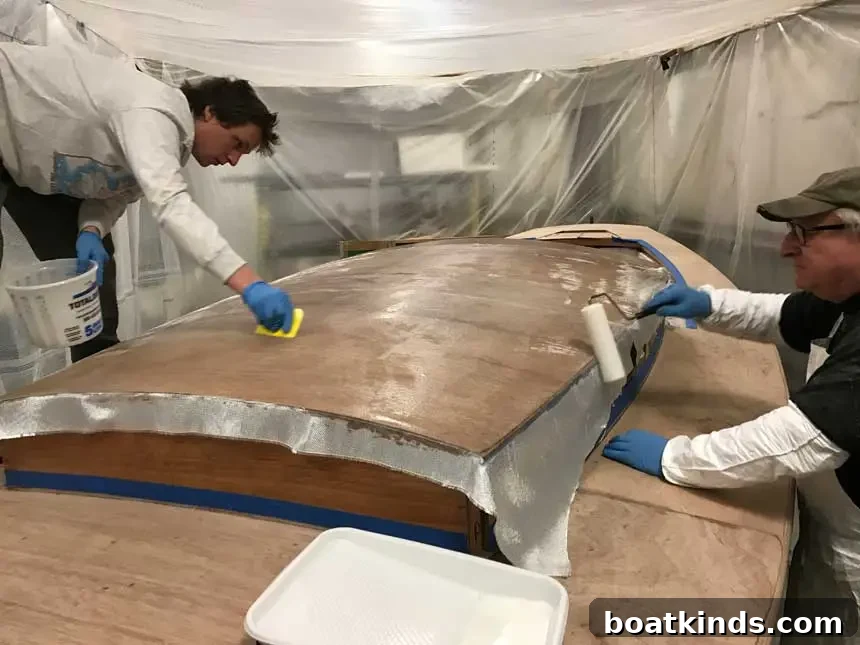
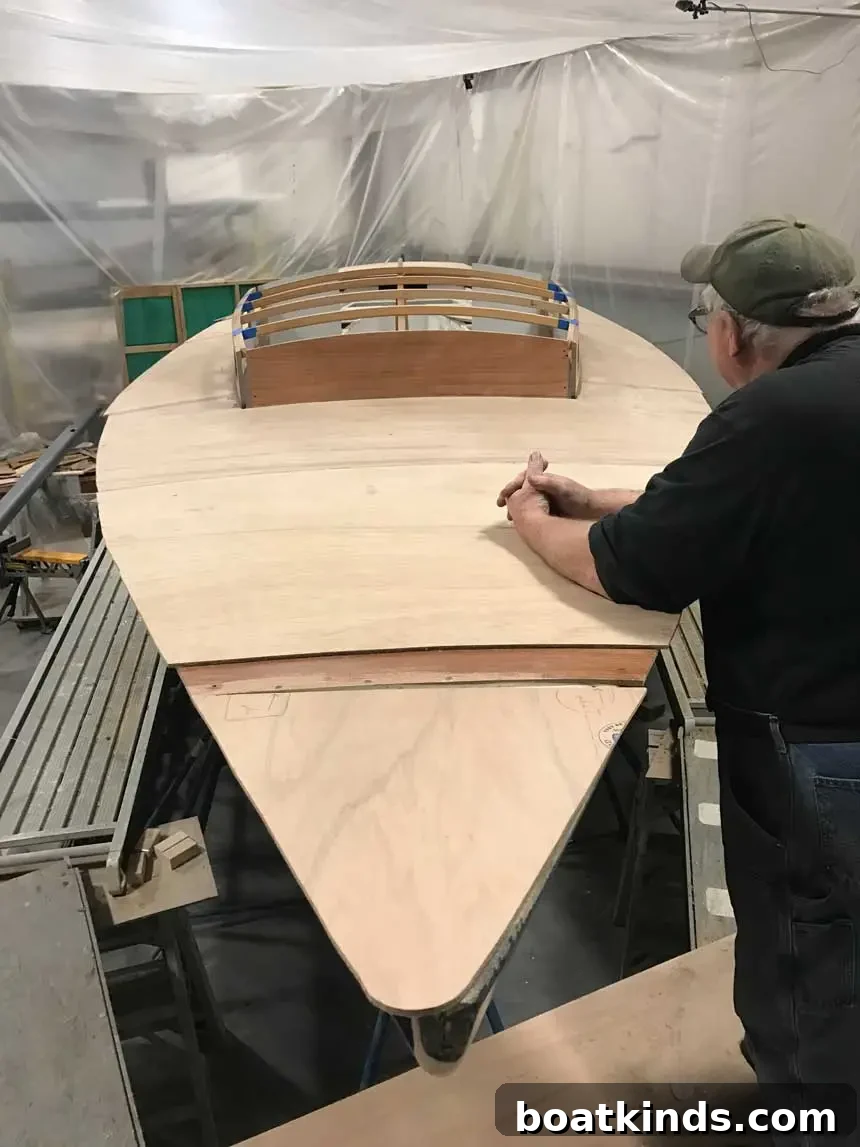
Shea replaced the original deck structure with two layers of marine plywood, bolting and epoxying them to an inner flange to restore stiffness. The plywood was then sheathed with fiberglass in epoxy, with the fabric extended over the deck edge and onto the hull to form a secure, sealed joint. All new deck beams were laminated, and plywood knees were installed to connect key fittings and chainplates into the hull structure.
Almost all materials for Vela’s refit came from TotalBoat, a boatbuilding-supply brand local to the project, with the exception of the topside paint and antifouling. The project was completed in a specialized shop because Vela was too large for Shea’s facility, and using consistent, high-quality materials helped ensure longevity and performance of the refit.
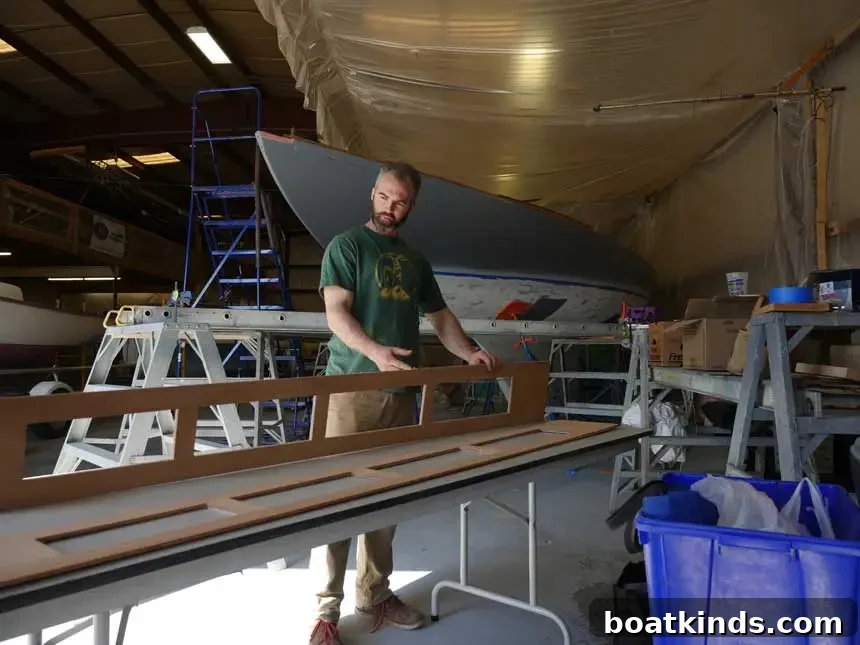
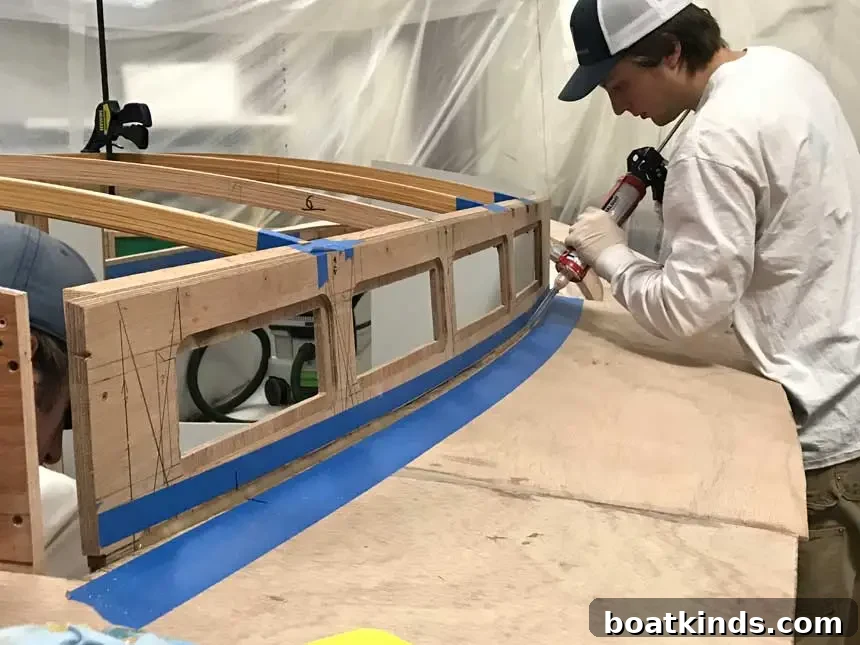
One of the key aims of the rebuild was to make the cockpit fit four crew comfortably. That required redesigning and shortening the cabin trunk by about two feet to create more cockpit seating. To keep the trunk visually balanced, Ezra Smith lowered the trunk profile and added rectangular, varnished-mahogany windows in a Herreshoff tradition—an aesthetic detail that blends classic looks with modern function.
Internally, the Constellation originally provided basic accommodations for four: a V-berth forward, settee berths in the main cabin, a head and a small galley under the companionway. Shortening the trunk tightened the cabin, so the team removed the main bulkhead and replaced the structural support with a carbon-fiber deck beam engineered by Matt Smith. Shea laminated the beam from carbon fiber and tied it into the hull with plywood knees and bonded glass, creating a ring frame that transfers compression loads safely around the cabin space.
The refit also moved the chainplates nine inches inboard to improve headsail sheeting angles. That change increased compression on the mast and required recalculation of loads, a larger mast section and new support structure. Zani found a used mast section compatible with the new loads, modified it to fit, and outfitted the boat with roller furling and modern sail technology: North Sails 3Di Nordac polyester sails and a loose-footed mainsail that simplified handling and improved sail shape.
Deck hardware, rigging and the boat’s bottom were all renewed. The spinnaker can now be launched and retrieved through a new round foredeck hatch using a simple string drop and a roller placed just aft of the hatch, so crew never need to leave the cockpit during maneuvers. Lower sheeting angles improve pointing and speed, though the change required a small racing rating adjustment; in practice, Vela sails faster than her rating, according to Zani.
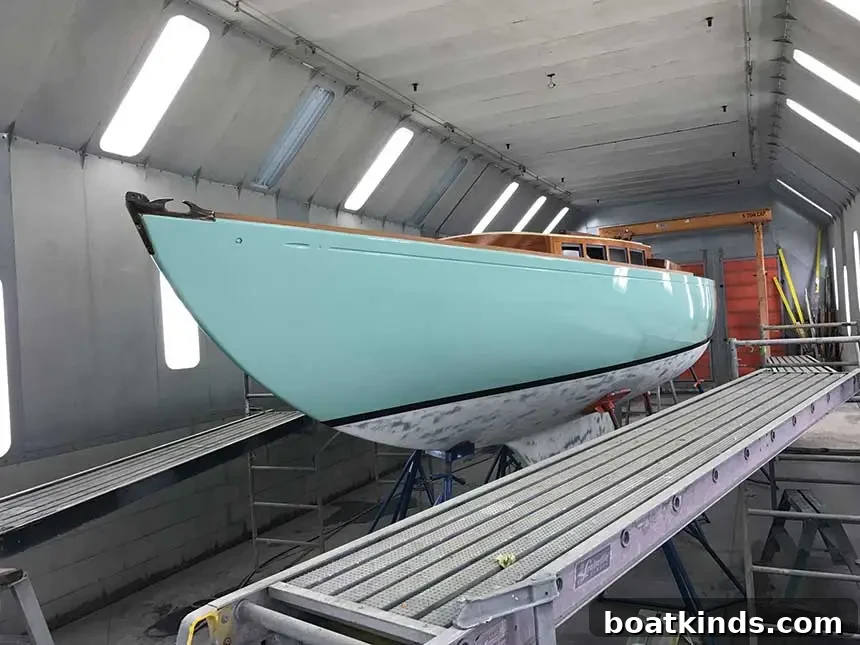
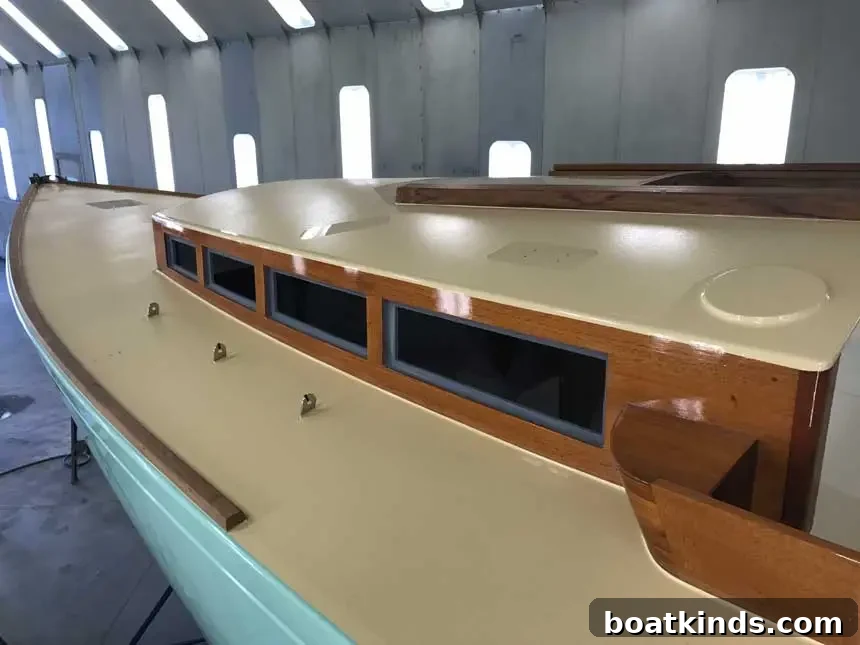
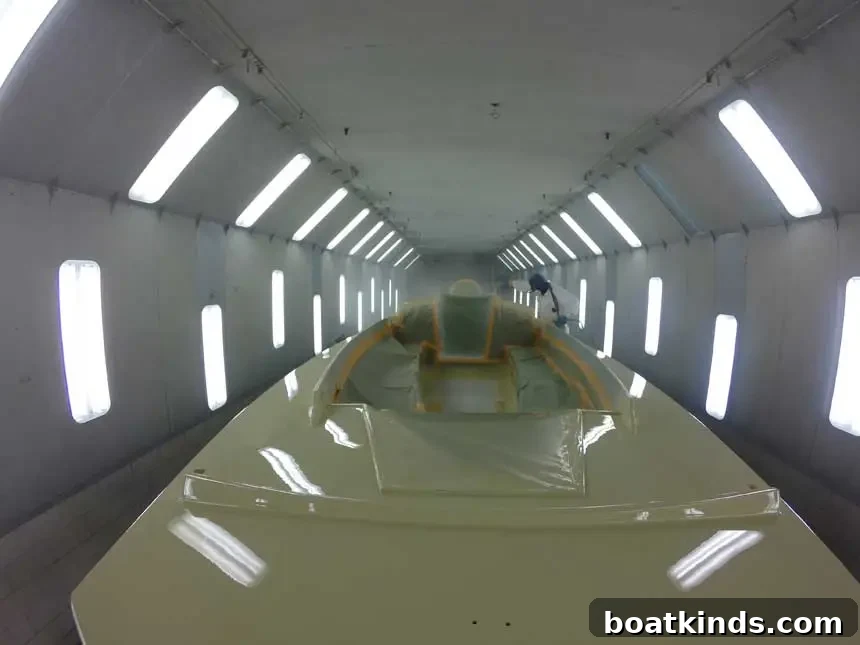
The rebuilt cabin, despite being smaller, feels brighter and more usable. Removing the bulkhead and adding windows improved circulation and light; the V-berth gained modest space and moving fore and aft aboard is easier. Zani removed the original galley (it was already absent when he bought the boat) and now relies on a cooler for casual cruising with his family, prioritizing sailing and racing over onboard meal prep.
For Zani, the project was successful enough that Vela now serves multiple roles: comfortable daysailer for two, competitive racer for four, and family cruiser for short trips. He’s unlikely to start another full restoration unless a boat better than Vela presents itself, though he’s considered molding the redesigned deck so others could replicate the upgrade.
This article originally appeared in the February 2019 issue.