
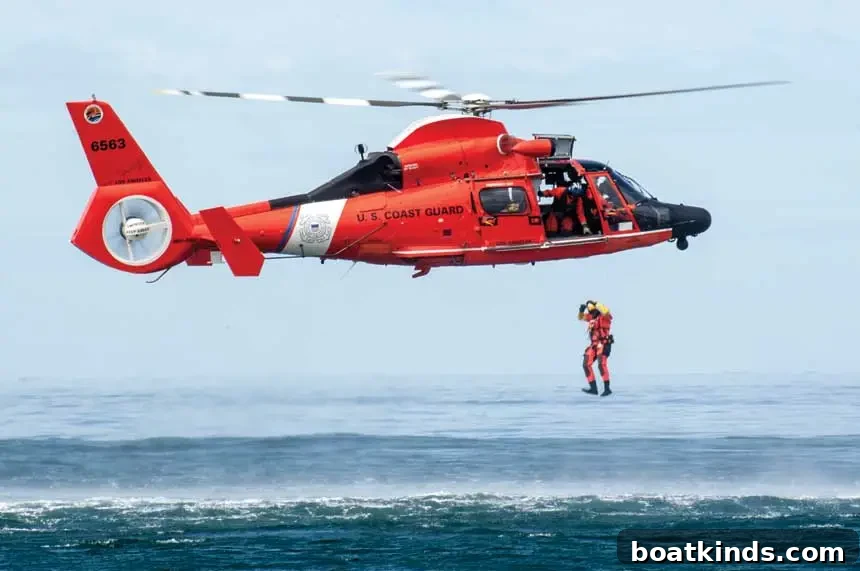
What drives someone to become a helicopter rescue swimmer varies from person to person. For me, the answer was surprisingly simple: I liked the idea of an uncomplicated, meaningful day. When someone asked, “What did you do today?” I could say, “I went out with my team and brought people home.” That immediate, tangible reward—helping people in their worst moments—became its own powerful motivation.
Becoming a helicopter rescue swimmer is often much harder than the job itself. The selection and training process weeds out many applicants, but those who make it through carry a profound responsibility. When a swimmer leaves a helicopter to recover someone from the sea, the outcome can depend largely on that individual. With success comes praise; with failure can come lifelong guilt. That weight is the real cost of the profession.
If you ever rely on a rescue swimmer, it helps to understand the training and preparation behind the person shouting instructions over wind, waves and rotor noise. In the U.S. Coast Guard, anyone who meets the qualifications can apply for the specialty they want, but first they must enlist and graduate from basic training.
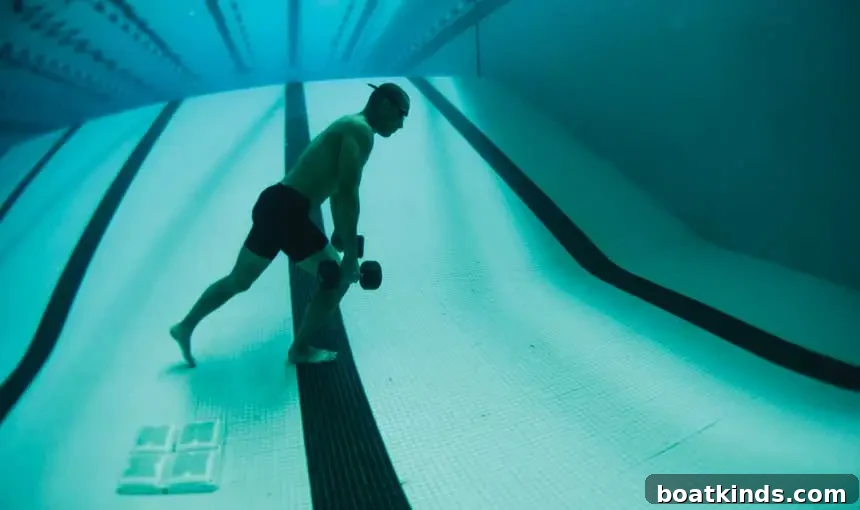
Typically, a candidate spends months at their first duty station waiting for orders to A-School, where job-specific training begins. For enlisted members who pursue Aviation Survival Technician training—commonly called rescue swimmer school—A School is located in Elizabeth City, North Carolina. The course lasts months (it has varied in length over the years), and it’s an exacting combination of physical and mental challenge. It isn’t Navy SEAL training, and comparisons are misleading, but it is one of the most demanding programs that doesn’t aim to cause permanent injury.
Beyond teaching tactics and procedures, the training forces students to discover their own limits. Most search and rescue missions won’t require extreme exertion, but some will demand endurance in uncomfortable, dangerous conditions. The program is structured not just to train technique but to push students until they find where they break, so they know the boundary between manageable risk and true danger.
One of the most valuable lessons I gained was how my body reacts when deprived of oxygen underwater. During school I learned that the first violent lung contractions are not an immediate sign of doom—they’re a warning, and there’s usually more time than panic suggests. That lesson paid off in a later mission where I stayed underwater longer than I wanted. What would previously have caused immediate panic instead became a calm assessment: I had time and could act.
That mental steadiness is priceless on difficult cases. Many candidates discover that their comfort threshold falls short of what the job demands and either quit or fail; I had to fight the urge to quit multiple times in a single day. Those who stay develop a resilience that keeps them effective when lives are on the line.
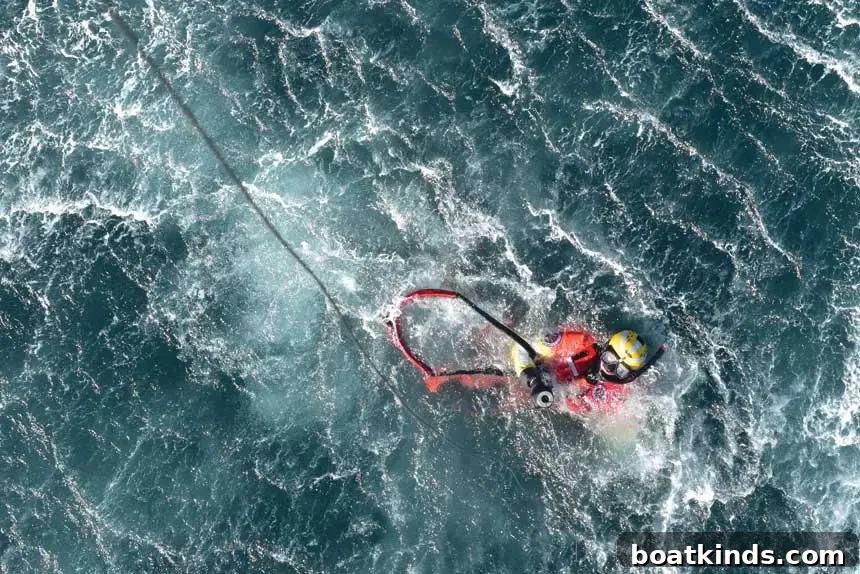
Six months of school is only the beginning. After A-School, new technicians join a unit for further on-the-job training, earn flight qualifications as air crew on helicopters such as the H-60 or H-65, and learn every system and emergency procedure. They must demonstrate those procedures from memory to prove they belong on operational crews.
At the same time, swimmers maintain and repair survival equipment and attend additional training. New swimmers also complete seven weeks of Emergency Medical Technician (EMT) school to handle the medical aspects of rescue missions. By the time someone qualifies as a full-duty rescue swimmer, they’ve usually been in nearly continuous training for more than a year.
Qualification isn’t the end. Advanced Helicopter Rescue School (AHRS) teaches specific techniques like cliff and cave rescues and prepares crews to handle extremely rough water—often practicing in places like the Columbia River Bar to train free-swimming in 10-foot breaking waves. Crews frequently return to AHRS throughout their careers to maintain and refine those advanced skills.
There is no single profile of an ideal rescue swimmer. I’ve worked with athletes who were massive and powerful, and with smaller, leaner swimmers who moved with precision and calm. The job is not about a macho image; it’s about mental control, technical skill and adaptability. The ocean is stronger than any individual, and humility and discipline matter more than brute strength.
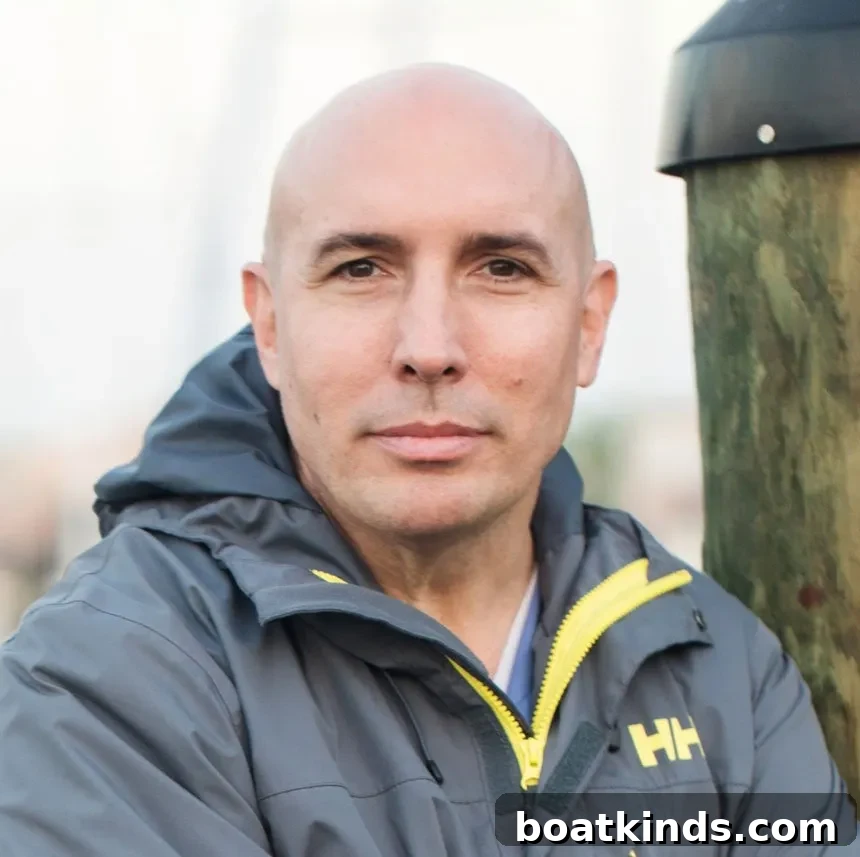
Mental toughness often trumps physical prowess. I remember my colleague Sara Faulkner—not the first woman to train as a rescue swimmer, but the first to make a full, long career in the role. Her composure under pressure made her someone I would trust implicitly if I needed rescuing. It’s that calm judgment, not a show of strength, that keeps people alive.
If you ever find yourself in need of a rescue swimmer, follow their directions closely. They’ve spent years training, pushing limits and learning techniques that exist to get you out of danger. You may be experiencing the worst day of your life, but rescue swimmers thrive in those conditions because they are trained and steady. When they appear calm, it’s because they are prepared and focused on one goal: getting you home safely.
This article originally appeared in the January 2019 issue.