
Lord Thomas Cochrane: The Sea Wolf of the Napoleonic Wars
Thomas Cochrane was celebrated by the public and feared by Napoleon, yet he proved a persistent irritant to the British naval establishment. By the spring of 1805 his extraordinary successes had become the talk of Plymouth: captured enemy merchantmen streamed into the busy harbor, each prize crewed by jubilant British sailors. Every vessel carried more riches than the last, and all had been taken by the same man — the flamboyant and controversial Captain Thomas Cochrane.
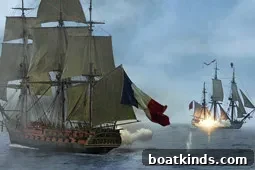
When Cochrane himself sailed Pallas into Plymouth in late March, the scene was unforgettable: a gold candlestick tied to each masthead broadcast the spoils of his cruise and the crowd went wild. One of his actions even caught Napoleon’s attention. Facing a squadron of French corvettes that outnumbered him three to one, Cochrane used bluff and daring to chase and destroy the enemy force — a feat that earned Napoleon’s grudging epithet, “le Loup de Mer,” the Sea Wolf.
Half a century after his death, Lord Thomas Cochrane, 10th Earl of Dundonald, remains one of the most striking and contradictory figures of the Age of Sail. Historians have praised his tactical brilliance; he inspired fiction as well, notably serving as a model for Patrick O’Brian’s Captain Jack Aubrey. Yet Cochrane’s career was marked as much by controversy as by courage: outspoken and politically radical, he repeatedly clashed with conservative superiors and the Admiralty.
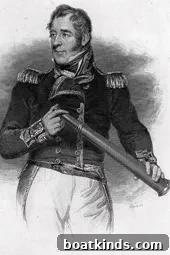
Captain of the Speedy
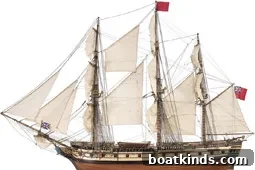
The capture of the Spanish frigate El Gamo made Cochrane a household name when he was only 26, but it also began his long struggle with naval authorities. In 1800 he took command of the diminutive 14-gun brig Speedy, which he dismissed as a “burlesque on a vessel of war.” The ship’s tiny 4-pounders seemed almost useless, yet under Cochrane’s leadership Speedy achieved astonishing results.
In May 1802 Speedy encountered El Gamo in the western Mediterranean. The Spanish ship carried 32 guns and a crew of 319 against Speedy’s 54. Rather than evade, Cochrane closed, exploiting the height of El Gamo’s guns and loading his small pieces innovatively. He boxed the Spanish ship’s rigging, boarded with a small party that used surprise and ferocity, and forced surrender in about an hour. British casualties were light; the Spanish lost more men, including their captain.
The victory thrilled the public, but the Admiralty reacted coolly. A promotion that would normally have been immediate was delayed, and a recommendation for one of his officers was refused. Cochrane’s sharp reply to the first lord of the Admiralty did little to make friends. From then on, resentment from powerful figures in the navy began to shadow each of his successes.
Victory and controversy

Cochrane’s exploits continued aboard the frigate Imperieuse around 1806–07. Cruising in the western Mediterranean, he pioneered amphibious operations and commando-style raids along the Spanish coast. He captured scores of vessels and repeatedly filled ports with prizes — yet he also argued bitterly with prize courts that he said shortchanged his crews. Those disputes fed a growing pattern: brilliant action at sea followed by acrimony on land.
Perhaps the most controversial episode came at the Battle of Basque Roads in 1809. Cochrane’s daring night attack with fire ships sent the French fleet into chaos and left many enemy vessels grounded and vulnerable. When dawn broke, Cochrane signaled Admiral Lord Gambier to press the advantage, but Gambier hesitated. Frustrated, Cochrane attacked with Imperieuse against much larger ships and, with eventual support from frigates, helped finish off several prizes. Still, Gambier ordered his fleet back the following morning, allowing some French ships to be refloated.
Cochrane viewed the outcome as a missed opportunity and publicly refused to be part of a parliamentary vote of thanks that celebrated Gambier’s conduct. The episode left Cochrane politically isolated and effectively ended his active role in the remainder of the Napoleonic conflict.
Dishonored
By 1814 the Admiralty had had enough. Cochrane was convicted of involvement in a scheme to manipulate stock prices by spreading a false rumor of Napoleon’s death. He always insisted he was framed, and historians continue to debate the case. The court sentenced him to a humiliating punishment, initially ordering him to the pillory — a sentence later rescinded amid public outcry, including sympathy from unexpected quarters.
Still, Cochrane was expelled from Parliament, stripped of his knighthood, and removed from the navy list. Though later reinstated, he would not command a British ship again for decades while he waited to have his honors restored.
Service abroad and final rehabilitation
Exiled from British service, Cochrane offered his talents to the navies of emerging nations. Between 1818 and 1828 he commanded naval forces for Brazil, Chile, Peru and Greece, securing key victories that helped those countries win or consolidate independence. His capture of Valdivia and a string of successful raids and blockades stand out in these campaigns — particularly in Chile, where he is still remembered as a national hero.
In 1828 Cochrane returned to England for good. Under King William IV he was reinstated and made a rear admiral; in 1847 his knighthood was restored. The following year he was appointed commander-in-chief of the North American and West Indian stations and again sailed under the British flag.
Legacy
Cochrane married young and remained devoted to his wife for nearly fifty years; they had five children. He died embittered by long years of perceived injustices, yet his tactical innovations and fearless leadership left an enduring mark on naval history. Buried in Westminster Abbey, Cochrane stands among Britain’s most remarkable sea captains: a brilliant commander, a relentless reformer, and a man whose life combined triumph and controversy in equal measure.
This article originally appeared in the December 2009 issue.