
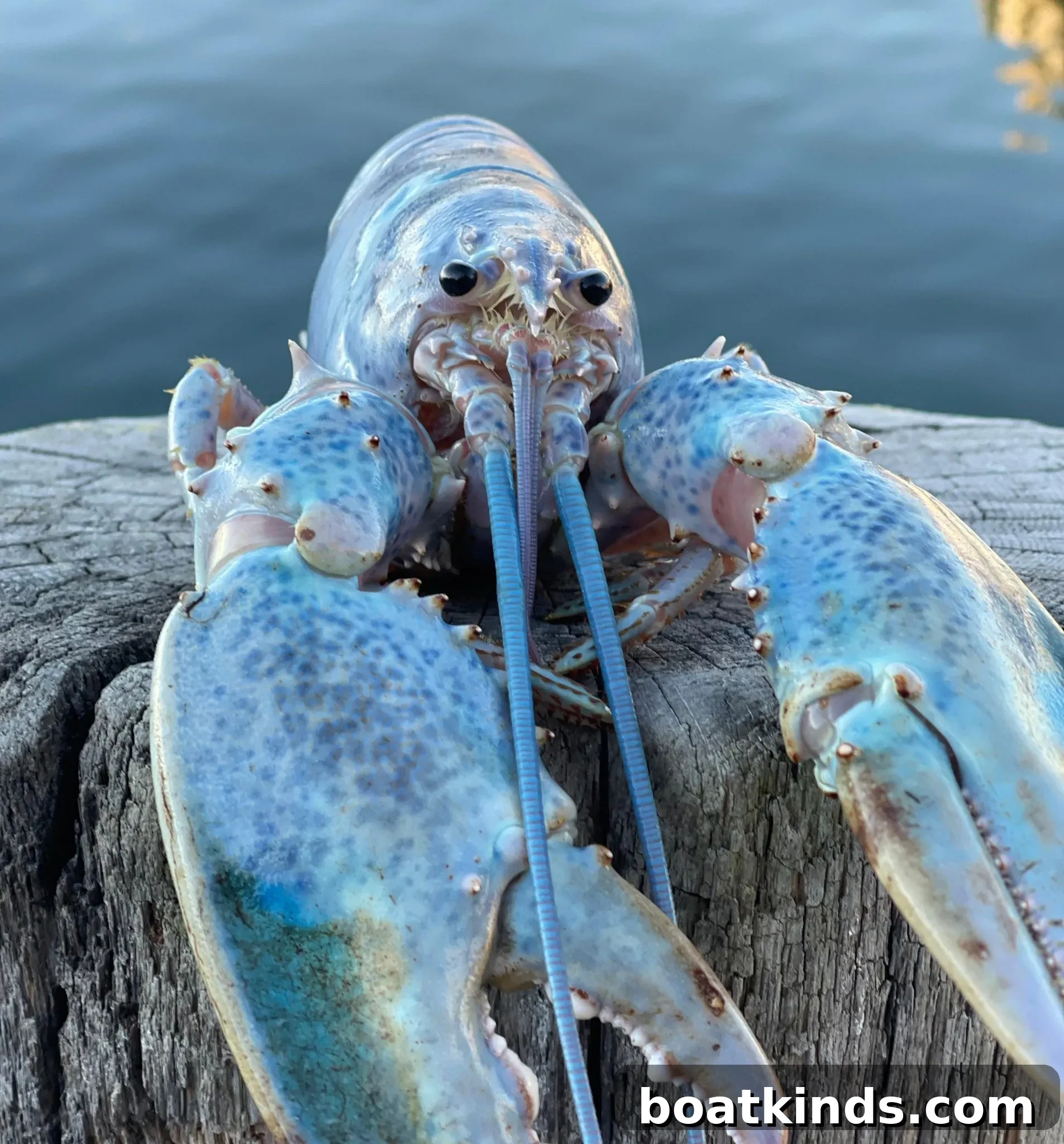
Cotton Candy Lobster Found in Casco Bay: Rare Opalescent Specimen Named “Haddie” Finds New Home
Last Friday, veteran lobsterman Bill Coppersmith made an extraordinary discovery while hauling traps in Casco Bay, Maine. Inside his hull he found an iridescent, opal-like lobster with a delicate, pastel sheen—an especially rare coloration commonly referred to as a “cotton candy” lobster. Such specimens are estimated to occur at odds of about one in 100 million, making this encounter a remarkable event for a fisherman who has worked the waters for four decades.
A Surprising Catch and a Thoughtful Response
Coppersmith, who has been fishing in Maine for 40 years, immediately recognized the rarity of the catch. Rather than treat the lobster as another marketable haul, he decided it deserved special care. He named the lobster “Haddie” after his granddaughter and contacted Mark Murrell, the CEO of Portland-based seafood company Get Maine Lobster, to report the find and ask for guidance.
Get Maine Lobster responded by housing Haddie in one of their holding tanks while Coppersmith searched for an appropriate aquarium to provide a permanent home. Coppersmith made clear he had no intention of selling or cooking the lobster, and his swift action ensured the delicate animal was kept safe during the short-term transition.
Permanent Home at Seacoast Science Center
On Wednesday, Get Maine Lobster confirmed that Haddie would be moving to a new permanent home at the Seacoast Science Center in Rye, New Hampshire. The center is known for its educational exhibits and for caring for unusual marine specimens, and it already houses other rare lobsters. Haddie’s arrival will give visitors an opportunity to observe and learn about this uncommon coloration in person.
Why This Sighting Matters
Beyond the novelty of the discovery, Haddie’s story highlights how coastal communities and organizations can work together to protect and showcase rare marine life. When unusual animals are found, responsible handling—promptly contacting knowledgeable professionals and finding an appropriate facility—helps ensure the animals receive proper care and can contribute to public education and scientific interest without being exploited.
For families, educators, and nature enthusiasts, a specimen like Haddie offers a tangible way to engage with marine biodiversity. Seeing an opalescent lobster up close invites questions about coloration, genetics, and the variety of life in local waters. Institutions such as the Seacoast Science Center typically use such opportunities to teach visitors about conservation, the local marine ecosystem, and the work of lobstermen who help sustain coastal communities.
A Community’s Shared Stewardship
Coppersmith’s decision to take responsible action rather than pursue a sale underscores a respect for the animal and for the public value of rare finds. The collaboration between an experienced lobsterman, a regional seafood company, and a science center demonstrates a model of community stewardship: protect the animal, involve appropriate institutions, and provide a chance for the public to learn.
Haddie’s transfer to the Seacoast Science Center also aligns with the region’s broader appreciation for marine life and its role in local culture and economy. Maine’s lobstering tradition is a defining part of coastal life, and moments like this—uncommon and visually striking—capture public imagination while reinforcing connections between fishers, businesses, and educational organizations.
What Visitors Can Expect
Visitors to the Seacoast Science Center can expect to see Haddie among other marine exhibits. The center typically interprets rare finds in ways that balance display with welfare and education. Haddie’s presence will likely be accompanied by information about her unusual appearance, the rarity of such colorations, and the cooperative effort that brought her from Casco Bay to a protected exhibit.
The discovery of Haddie is a reminder that even in well-traveled waters, nature can still surprise us. Thanks to thoughtful actions taken by Bill Coppersmith and the involvement of Get Maine Lobster and the Seacoast Science Center, this one-in-100-million lobster now has a safe place where people can appreciate and learn from her unique beauty.