
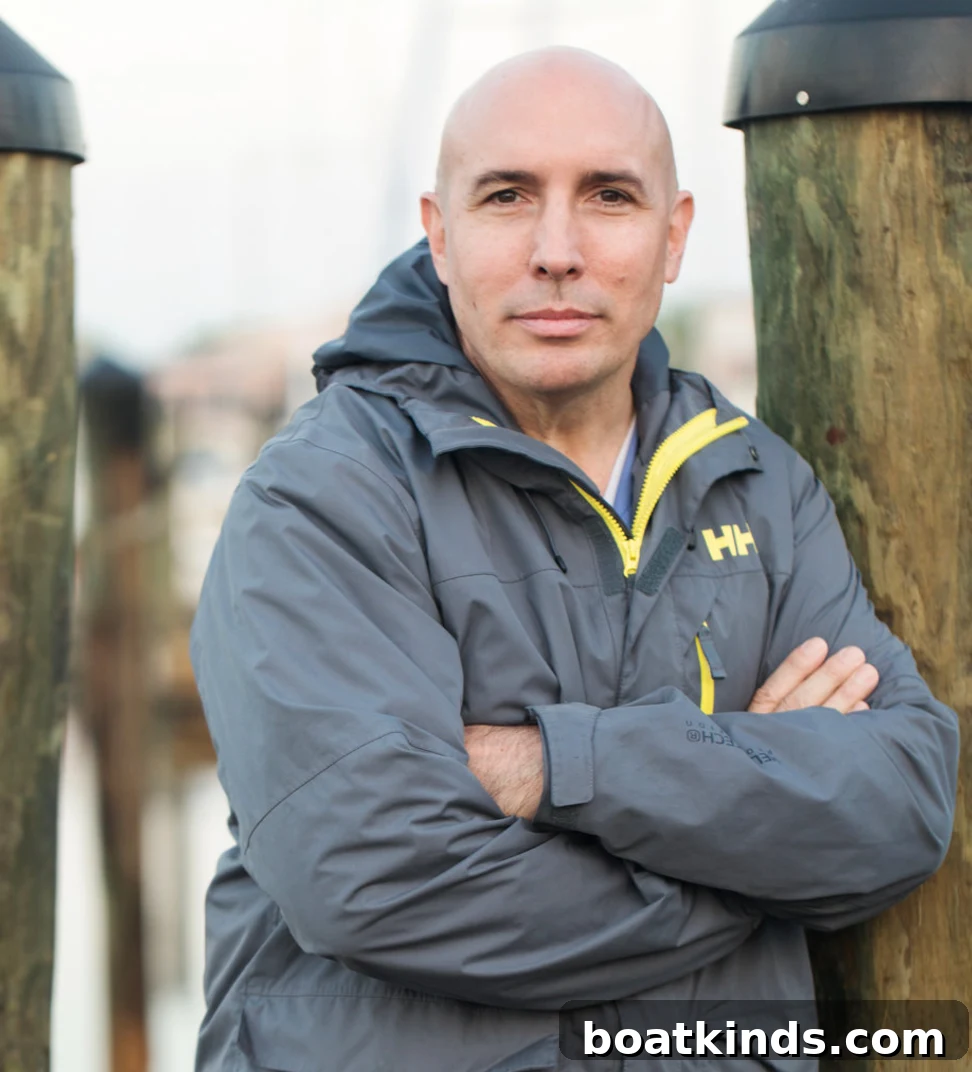
Lifelines: A Return to Boating Safety and Rescue at Sea
When I retired from the U.S. Coast Guard, all I wanted was a quiet anchorage for my 32-foot Wellcraft St. Tropez and a desk to write from. I was exhausted, recently divorced, and more than a little grumpy. After a lifetime of responding to emergencies and enforcing maritime safety, I imagined a slow life with far-flung deadlines: sleep late, knock out a few hundred words before lunch, pretend I was writing a book, and spend the afternoons drifting or doing very little. Going anywhere or firing up the engines suddenly felt optional.
But reality has a way of interrupting tidy dreams. When I did the math on fuel consumption for my twin 454 Mercruisers—cruising from my dock in Virginia to my favorite anchorage in Saint Augustine—I realized the dream might be unaffordable. The St. Tropez was a gas hog, and the idea of living aboard it while trying to be a writer suddenly looked impractical. I sold the boat, a decision I still regard as one of the tougher calls I made, and went back to work in the civilian world.
Fortune smiled in a way that kept me close to what I love: search and rescue. I took a position managing Lifesaving Systems, a well-known name in professional rescue equipment. The role returned me to the world of maritime safety—without the late-night ocean swims—and it felt right. Not long after, my friend Mary South, then editor-in-chief at Soundings, invited me to write an online column. For ten months, while still working full time, I produced forty-two columns under the title Lifelines, all focused on boating safety.
Those columns explored a single, simple philosophy: be prepared. We dug into practical topics that matter to anyone who spends time on the water—float plans and checklists, understanding the environment and the water itself, common causes of emergencies, and the people and situations to avoid. I wrote about communication gear and what to carry, and about the lifesaving equipment many boaters don’t think they need until it’s too late. Training, drills, and the small, easy-to-overlook items that can prevent disasters were regular themes.
My goal was to combine lessons learned responding to emergencies with the preventative side of maritime safety: how to reduce the odds that something will go wrong in the first place, and how to respond if it does. The material that didn’t fit into columns became part of a course I developed for Boater’s University. Teaching and writing about safety felt meaningful and worthwhile, but keeping up a weekly column on top of a full-time job nearly broke me.
Eventually I stopped writing the column seven years ago to concentrate on my job. That, too, had its costs—another story for another time—but it allowed me to build financial stability. Last year I retired again, this time with fewer obligations and more freedom. With no pressing deadlines, I’ve settled into a disciplined but relaxed routine: I write roughly 300 words every morning and chip away at a book I’ve always meant to write.
Then Jeanne Craig, the current editor-in-chief at Soundings, asked me to bring Lifelines back. The schedule she proposed fits my new life perfectly: it gives me the space to enjoy the slow parts of retirement while returning to the work I care about. So here we are—Lifelines returns.
Going forward, we’ll cover the essentials that help you stay safe and happy on the water. Expect practical gear reviews, clear guidance on drills and training, and honest accounts of incidents that went right or wrong—so you can learn from them. We’ll focus on avoidable accidents and the simple, proven steps that reduce risk: good planning, sound equipment choices, routine checks, and realistic training.
Boating will always carry risks. There will always be accidents. But many of those mishaps are preventable. My aim is to highlight what can go wrong and show how reasonable preparation can keep it from happening to you. Whether you’re a weekend cruiser, a liveaboard, or someone just getting comfortable behind the helm, Lifelines is back to help you think ahead, train smart, and return safely from every trip.