
Amateur Boatbuilder Spends Three Years Building 16-Foot Dinghy — Then Realizes It Won’t Fit Through His Door
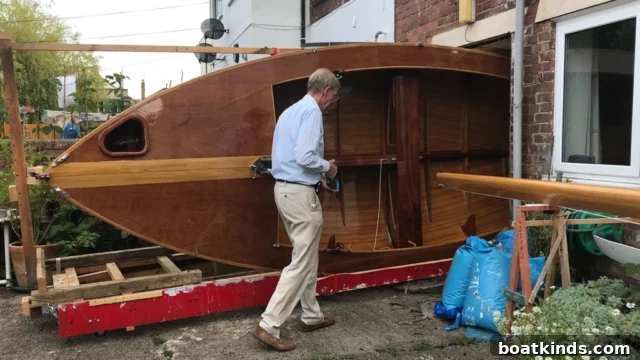
A retired land surveyor in England, Steve Goodchild, devoted three years to building a 16-foot dinghy inside his home. The painstaking project, completed with careful craftsmanship and a love of traditional boatbuilding, hit an unexpected snag at the final stage: when it came time to take the boat outside for its first sail, the dinghy would not pass through the house door.
The build: patient, traditional and personal
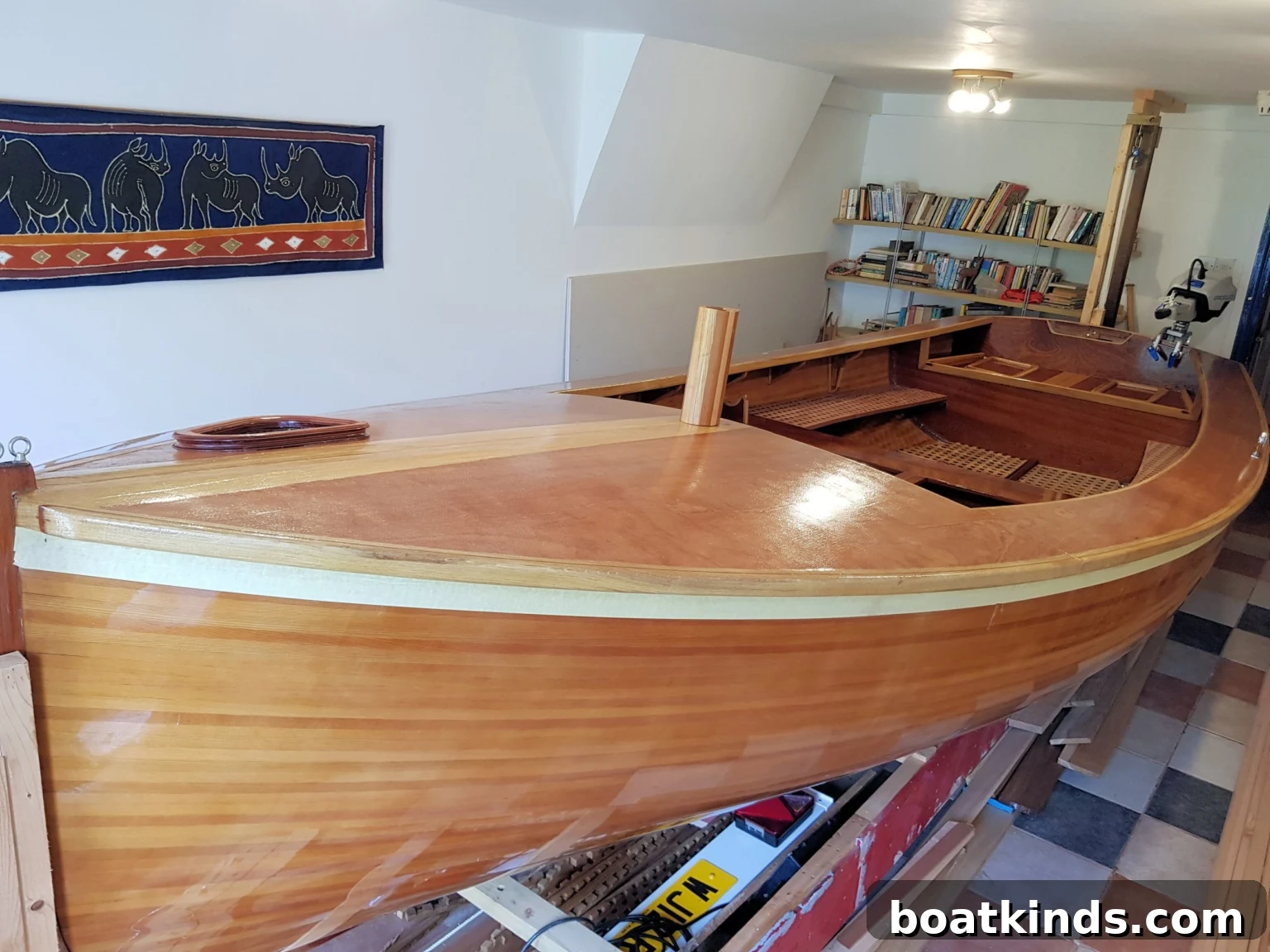
Goodchild chose a cedar-hulled version of a Stornoway dinghy, working methodically over several seasons to shape the frames, fair the planking and finish the exterior. As a retired land surveyor, he brought precision and patience to the project, tackling the many small tasks that accumulate when building a boat by hand. Over three years he assembled the structure, applied the cedar planking and completed the finish work inside the confines of his brick house.
A design change with unintended consequences
During the build he made an intentional design alteration: he added a deck to the dinghy. That modification improved shelter and aesthetics, but it also increased the boat’s overall girth. The additional height and beam made the hull too “fat” to pass through the patio door of his house. What began as a personal improvement to the design turned into a logistical challenge when Goodchild discovered that the completed boat could not be removed through the doorway he had planned to use.
Creative problem solving — removing the doorframe
Rather than dismantling or damaging the hull, Goodchild took a pragmatic approach. He removed the doorframe from his brick house so the boat could be eased out. Because he handled the extractions carefully, none of the surrounding brickwork had to be destroyed. The solution required planning, steady hands and an acceptance that even the best-laid DIY plans sometimes require on-the-spot adjustments.
First outing: Paignton harbour and a brisk wind
Once the boat was safely outside, Goodchild transported the cedar-hulled Stornoway to Paignton harbour for her maiden voyage. On the day he launched, winds were reported at 20 knots or more — a lively breeze for a small dinghy. Despite describing himself as a fair-weather sailor, Goodchild took the boat out and found the handling impressive. His simple assessment was that she “went like a bird,” a concise testament to the dinghy’s performance and to the success of his long-term project.
Lessons from a home boatbuilding project
This story highlights several lessons for amateur boatbuilders and DIY enthusiasts. First, careful measurement and consideration of extraction and transport routes are essential when building large items indoors. Second, thoughtful modifications—such as adding a deck—can improve function and appearance but may introduce new constraints. Third, practical problem-solving, like removing a doorframe rather than forcing structural changes to the boat, can preserve the integrity of a project and surrounding property.
A celebration of traditional craft and determination
Goodchild’s experience is a reminder of the rewards and occasional frustrations of handbuilding a boat. The combination of traditional cedar planking, the classic Stornoway dinghy lines and the personal satisfaction of sailing a vessel you made yourself resonated in his remark after the first trip: that the boat performed beautifully. For those who take on similar ventures, his story underscores the value of planning for the entire lifecycle of a project—from workspace limitations and extraction to transport and first sail.
Whether you are a seasoned builder or a curious beginner, Goodchild’s three-year project exemplifies the devotion and practical ingenuity that define successful DIY boatbuilding. The result was not only a well-made cedar dinghy but also an instructive tale about adapting plans and solving unexpected problems without sacrificing workmanship.