
Marshall Islands: 1,430 Pounds of Cocaine Found on Abandoned Boat
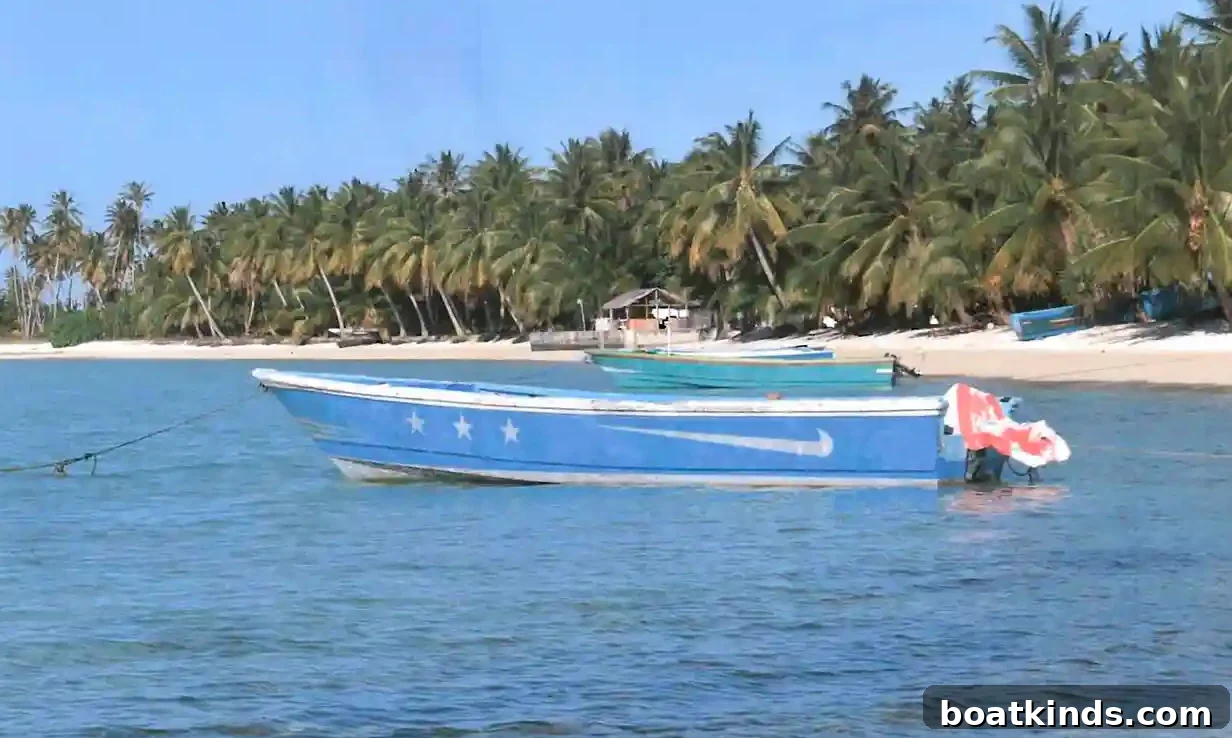
Last week, authorities in the Marshall Islands discovered an abandoned 18-foot boat washed ashore on a remote atoll containing 1,430 pounds of cocaine. Packed into a compartment beneath the deck, the substantial shipment represents the largest cocaine seizure ever recorded by the Pacific nation. Officials say the drugs may have been stowed away for years before the vessel finally drifted into the atoll.
How the Boat Likely Reached the Marshall Islands
Attorney General Richard Hickson has indicated that the small vessel most likely drifted across the Pacific from Central or South America, a journey that could easily take one to two years depending on currents, winds, and storms. Research from the University of Hawaii supports this possibility: their studies of ocean drift patterns show that debris and small craft leaving the coast of Mexico and surrounding regions often follow paths that can carry them into the central Pacific, including the Marshall Islands.
Such long drift times mean a boat abandoned in the eastern Pacific can stay afloat and travel thousands of miles before coming ashore. Over months or years, accumulated marine growth, changing weather, and shifting currents can alter a hull’s buoyancy and course, ultimately delivering cargoes to remote atolls that are rarely visited by larger ships.
Investigators Consider Multiple Scenarios
Law enforcement officials have not confirmed the origin of the cocaine and are continuing their investigation. Authorities are exploring several plausible explanations: the load may have been intentionally abandoned by smugglers who feared interception, or the crew could have been lost or incapacitated during a storm and left the vessel adrift. Investigators are also considering whether the boat was used as a temporary storage or transfer platform before being cast off.
The condition of the craft and the way the narcotics were concealed—in a secure compartment beneath the deck—suggest the shipment was intended to evade detection. That concealment also means the drugs might have remained inside the hull for a long time, protected from seawater and the elements until the boat ran aground.
Response and Next Steps
Local authorities removed and destroyed most of the recovered narcotics; officers incinerated all but two packages. Those two remaining packages were handed over to the U.S. Drug Enforcement Administration for forensic analysis, which will help determine the drugs’ chemical profile and potentially offer leads about origin or trafficking routes.
Beyond immediate forensic work, the seizure raises broader questions about maritime drug trafficking in the Pacific and the vulnerabilities of remote island communities. The Marshall Islands government and regional partners may use this incident to assess coastal monitoring, debris reporting systems, and cooperation on transnational crime investigations that cross vast ocean areas.
Regional and Environmental Considerations
When vessels and illicit cargo wash ashore, they can create environmental hazards as well as law enforcement challenges. Boats left to decay can release fuel, plastics, and other contaminants into fragile atoll ecosystems. Removing and safely disposing of hazardous materials requires coordination between local authorities and environmental agencies to protect marine life and shorelines.
Community awareness and prompt reporting of unusual debris or vessels remain important. Residents and local leaders on remote atolls often play a key role in discovering and securing drifting craft before they cause harm or are further dispersed by tides and weather.
Summary
The discovery of an 18-foot abandoned boat carrying 1,430 pounds of cocaine on a Marshall Islands atoll is one of the most significant narcotics finds in the country’s history. While investigators work with U.S. partners to analyze evidence and trace the shipment’s origins, the incident underscores how Pacific drift patterns can carry illicit cargoes across vast distances and highlights the ongoing need for regional cooperation on maritime security and environmental protection.