
Coast Guard Cutter Tiger Shark Passes Brooklyn Bridge Waterfall Installation
Art installation on the East River aims to boost summer tourism in New York Harbor
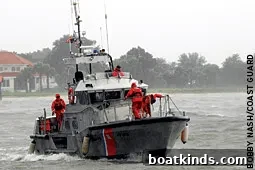
On July 3, the U.S. Coast Guard cutter Tiger Shark transited the East River, passing close to one of four large man-made waterfalls installed at the Brooklyn Bridge in New York Harbor. The temporary waterfall project, commissioned and funded by the Public Art Fund of New York, is intended as a high-profile public art installation and a draw for summer and early fall visitors to the city.
The waterfall exhibit is scheduled to remain in place through mid-October. Organizers have presented the installation as both an artistic intervention in the urban waterfront landscape and a tourism initiative, with the stated goal of attracting up to 1.5 million additional visitors during the three months it is active. By creating a striking visual focal point along one of the city’s most iconic crossings, the project aims to encourage residents and tourists alike to explore the waterfront, take photographs, and engage with public art outside traditional gallery settings.
Located near the Brooklyn Bridge, the four waterfalls are visible to those on nearby piers, bridges, and boats navigating New York Harbor. The effect of cascading water against the bridge’s silhouette produces a dramatic, temporary reimagining of a familiar skyline, inviting renewed attention to the junction of river, infrastructure, and city life. For maritime traffic such as ferries and Coast Guard vessels, careful coordination has been necessary to maintain safe passage adjacent to the installation. The sight of the Tiger Shark moving past the falling water underlines how the project intersects with the everyday operations of a busy port.
Beyond its immediate visual impact, the installation raises common questions about public art on large scales: how such works are funded, how they affect local residents and businesses, and how they fit into the broader cultural and economic strategies of the city. Funding from the Public Art Fund enabled a public-facing project that situates art in an accessible outdoor setting, while the tourism focus highlights the relationship between cultural programming and local economic objectives.
Visitors who encounter the waterfalls can expect a mix of sensory experiences: the sound of rushing water, the cool spray carried by river breezes, and unique photo opportunities framed by the bridge and skyline. City officials and organizers have promoted the project as family-friendly and free to experience from multiple vantage points, including waterfront promenades and adjacent parks. At the same time, visitors are encouraged to respect safety barriers and follow signs or instructions from onsite staff to ensure a safe visit near the water.
Critics of large, temporary public art projects sometimes point to potential disruptions or question the allocation of resources; supporters emphasize the value of bringing art into public spaces where it can reach broad and diverse audiences. The waterfall project sits within this ongoing dialogue, offering both aesthetic appeal and a deliberate effort to stimulate tourism during a defined seasonal window.
As the installation continues through mid-October, its presence will provide a case study in how high-visibility art can influence pedestrian patterns, waterfront activity, and visitor interest in urban environments. Whether or not the project meets its target of attracting an additional 1.5 million visitors, it has already created memorable scenes along the East River and prompted conversations about the role of temporary public art in a city as dynamic as New York.
For those planning to visit, the waterfalls offer a distinctive way to experience the Brooklyn Bridge area and New York Harbor. Observers are encouraged to plan their visits with reasonable expectations for crowds during peak times, and to take advantage of multiple viewing points along the waterfront to fully appreciate the installation’s scale and setting.