
One constant when you head offshore in a small boat is that the seemingly empty ocean is anything but empty. The night sky is fuller with stars and planets than you’ll usually see on land. Creatures surface unexpectedly, birds appear far from shore, and the clouds and sea present an endless variety of moods. Offshore weather and sea state can shift from calm and benign to violent and dangerous in a matter of hours.
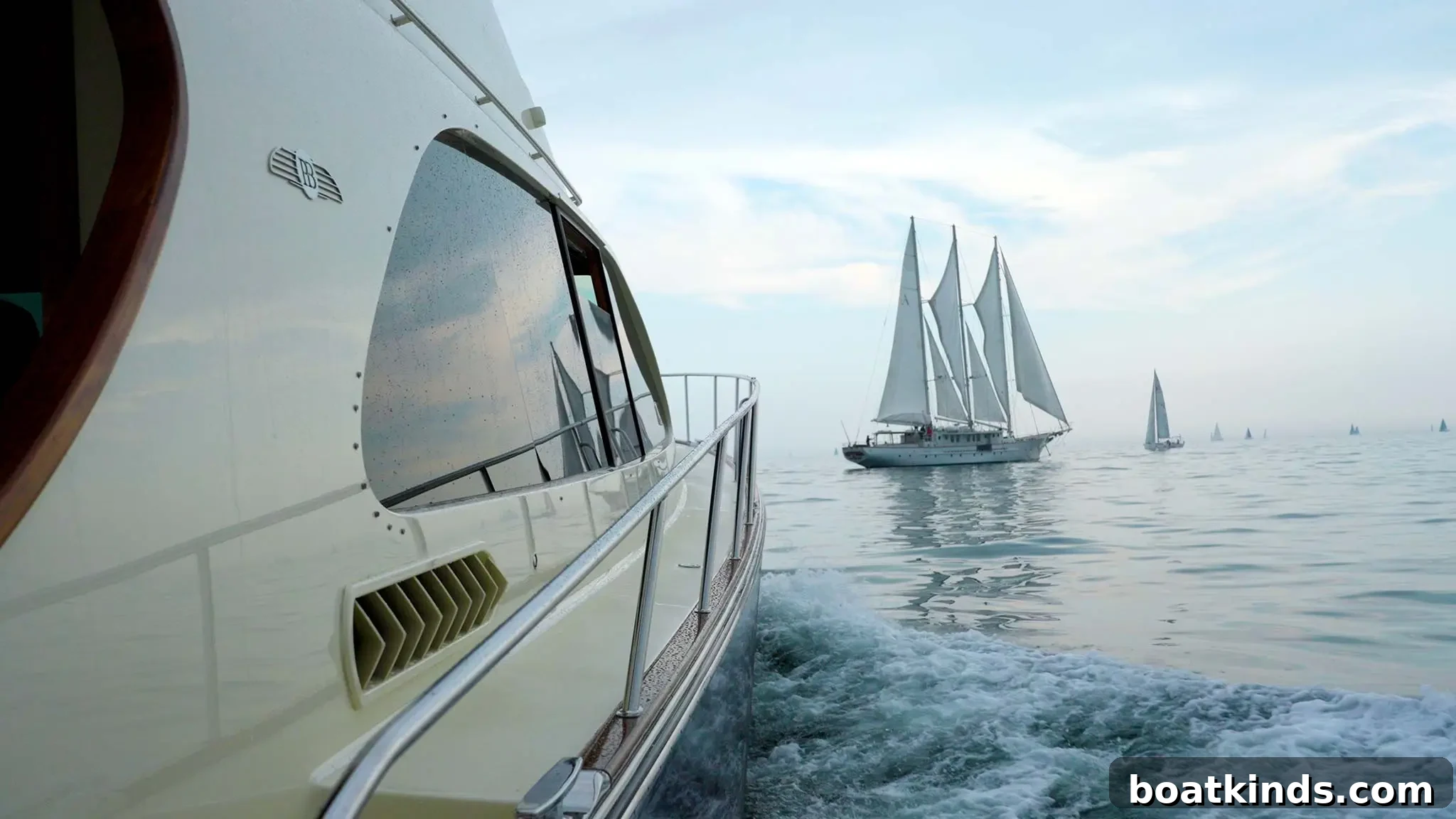
I’ve made three passages from New England to Bermuda over the years. Each crossing reflected the gear and electronics available at the time as well as my own evolution as a boater. The first two felt like camping at sea—deliberately roughing it to chase the experience—while the most recent was more like “glamping.” Every trip was different and memorable for its own reasons.
My first voyage to the “Onion Patch” was in October 1980 aboard a stout 56-foot, home-built ferrocement ketch. The boat was seaworthy and comfortably fitted below, but technologically primitive by modern standards. We left Scituate, Massachusetts, for Bermuda, roughly 700 nautical miles away, with a minimal electronics suite: VHF, single-sideband radio and a Loran unit one crewmember had bought for peace of mind. There was ice on deck that morning despite the sun.
We navigated the old-fashioned way: compass, sextant, chronometer, reduction tables, paper charts and dead reckoning. A taffrail spinner required frequent clearing of sargassum in the Gulf Stream. Weather reports came over the SSB from uncertain sources. Even so, with pre-GPS navigation tools we managed to find Bermuda on our first try. The heavy ferrocement hull was seakindly in many conditions but rolled heavily downwind. Every roll sent pots, pans and unsecured gear clattering, making off-watch sleep fitful.
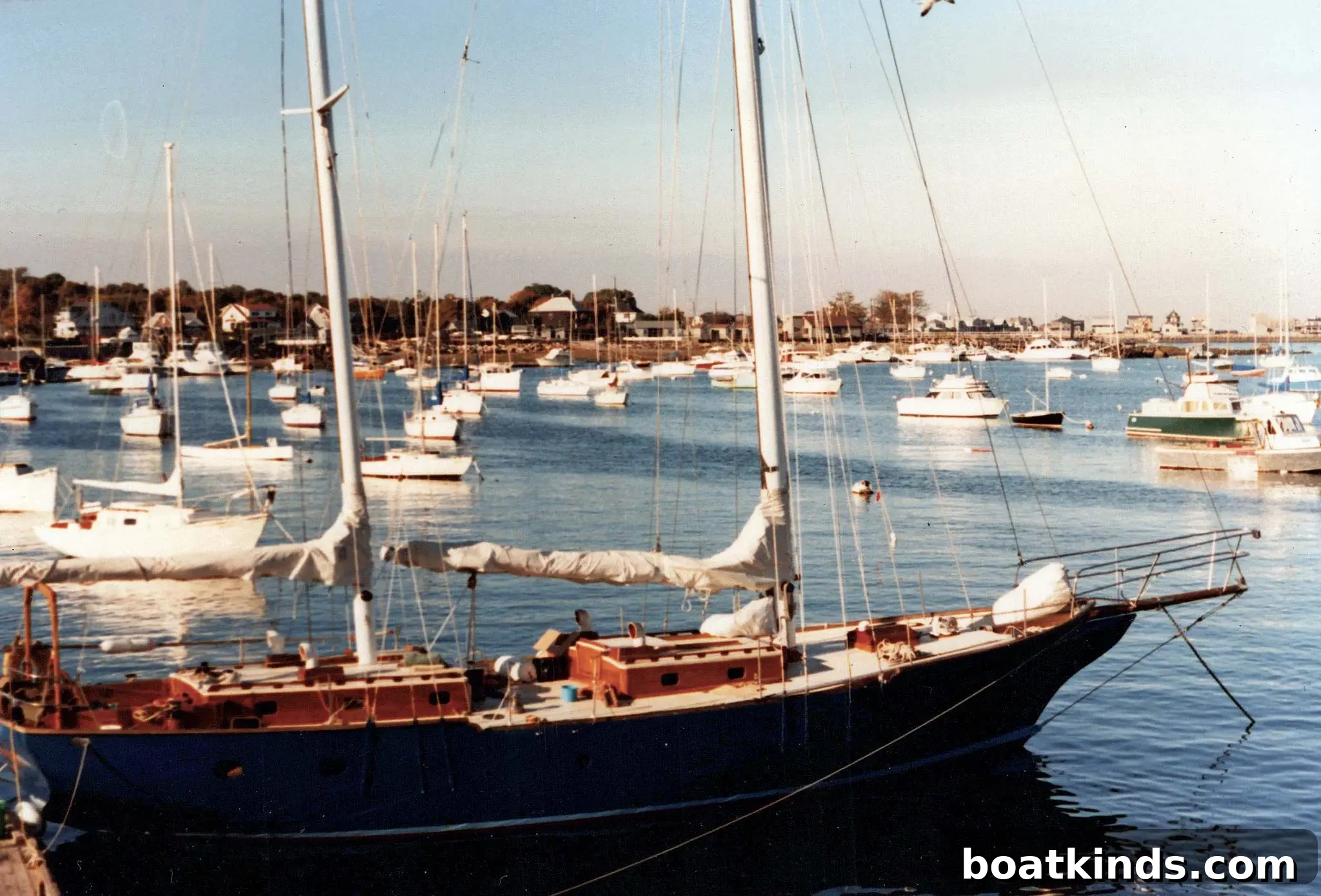
Without modern sensors, we knew we’d entered the Gulf Stream the old way—by seeing a horizon-to-horizon cloud bank and noting a marked rise in water temperature after dunking a thermometer in a pot of seawater. Below, the lack of conveniences was notable. I remember my one shower in six days: an improvised rinse from a metal fire extinguisher filled with water and heated on the galley stove. Primitive, but luxurious under the circumstances.
The voyage yielded vivid memories. On a breezy day I came topside to find the sea’s surface, once deep blue, gone white as far as the eye could see. On a spectacular night I lay on the foredeck and watched the masthead trace stars as the mast swayed. I also steered that concrete leviathan down the faces of 8-foot seas on the verge of broaching—heavy wheel, but thrilling momentum—and felt a rare state of sailing bliss when nothing catastrophic occurred. Nearing Bermuda, after dousing sails and firing the diesel, a black shape broke the surface a few hundred yards off our starboard beam: a nuclear submarine finishing its own passage.
My second crossing was aboard the 1988 Newport Bermuda Race as journalist and crew on the famous racing sloop War Baby. The 61-foot Sparkman & Stephens aluminum sloop had started life as Dora IV, later became Ted Turner’s Tenacious, and then War Baby. Tenacious had won notoriety for her corrected win in the disastrous 1979 Fastnet Race.
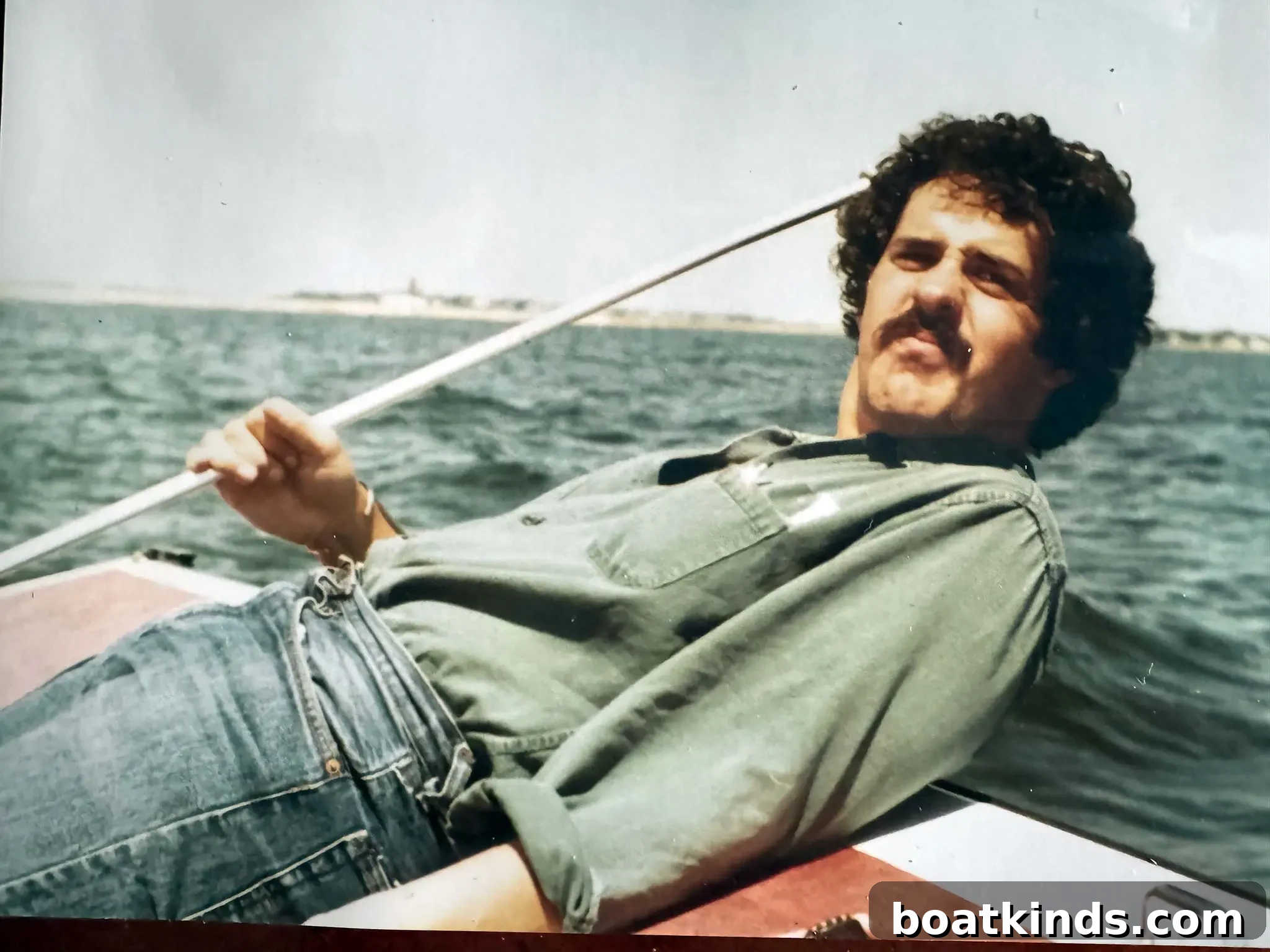
Of 303 starters in the ’79 Fastnet, only 85 finished; 194 retired and 24 were abandoned. By contrast, the 1988 race offered mixed conditions that ranged from light airs to stronger puffs. On War Baby we spent three nights in race mode, which meant frequent, rough foredeck work swapping sails as conditions shifted. Comforts were few: off-watch naps on sail bags in the salon, no improvised showers. I was younger then and perfectly content—thrilled to be part of a high-adrenaline ocean race.
One still-vivid stretch of the race was a windless, oily day when the sea took on a purple glow at sunset, backlighting the inflated bodies of thousands of Portuguese Man-of-War. Another odd, funny moment came on a breezy night when a flying fish slammed into my cheek while I sat on the weather rail. Years later I named my Boston Whaler Flying Fish in honor of that airborne crewmate.
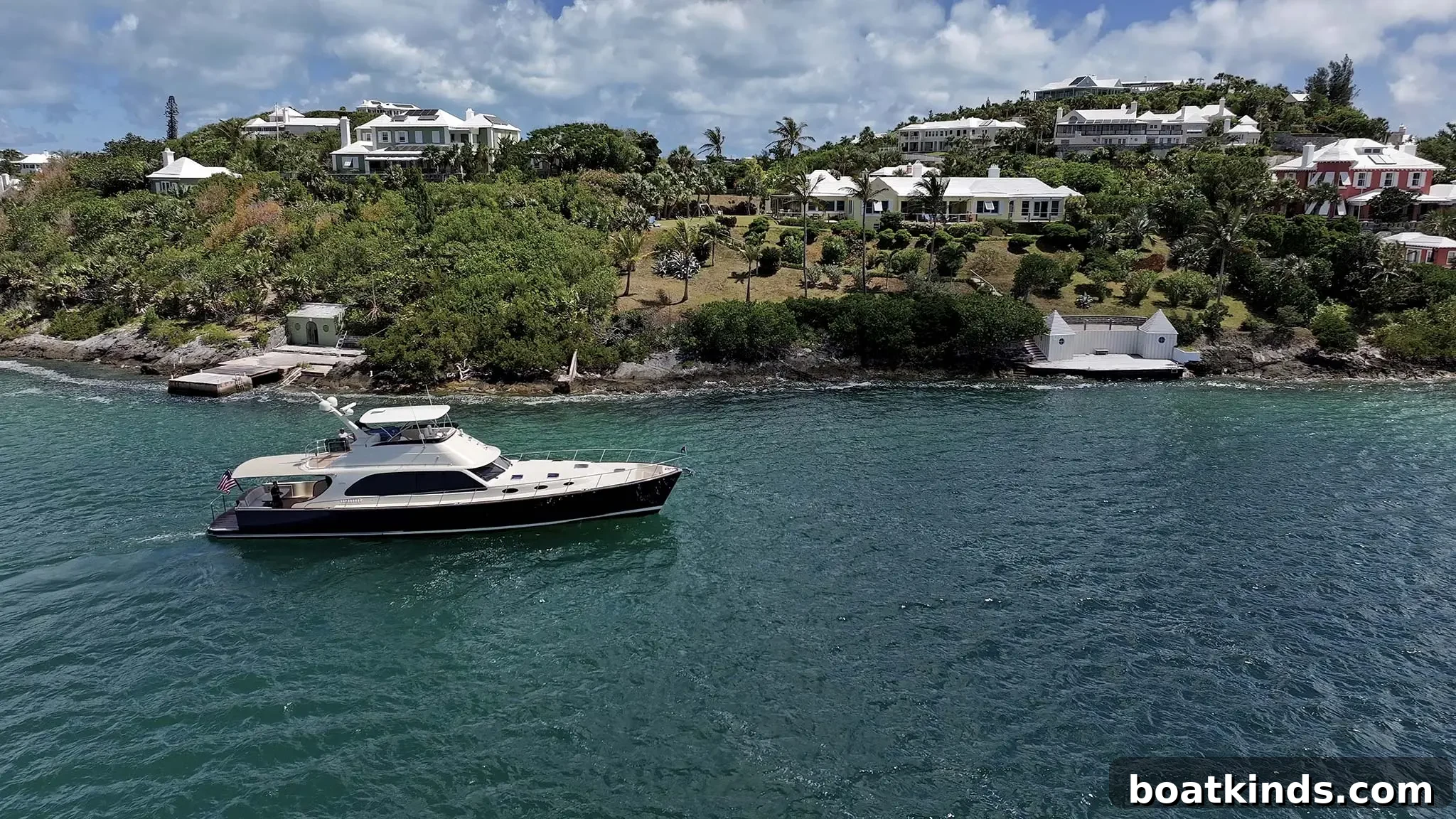
Most recently, in June, Palm Beach Motor Yachts invited me to make the run south aboard one of their 70-foot lightweight Down East–style cruisers. Rather than move at displacement speed and drift with the Gulf Stream, we powered straight down the rhumb line at 19 knots. After a ceremonial start in Newport, we covered the roughly 635 nautical miles to Bermuda in about 30 hours. The passage was mostly a smooth, fast powerboat ride with only a few hours of gentle lumpiness.
Standing watch on a fast motoryacht is different from sailboat watches. With no sails to trim, my duties were primarily monitoring the displays and keeping a lookout. Conversation became central—trading sea stories with Palm Beach founder and CEO Mark Richards, Grand Banks New England manager Simon Davidson, and Palm Beach salesman David Sampson was as rewarding as any navigation challenge. Richards, who began as a shipwright and borrows high-tech sailing concepts in powerboat design, explained the boat’s tight composite construction and proprietary V-Warp hull form that deliver a slippery, comfortable ride and competitive fuel efficiency. Depending on engines, the PB70 can cruise in the mid-20s and reach low-30s at top end.
The PB70 offered modern comforts: air conditioning, gyro stabilization, proper showers, reliable heads and a high-end electronics suite including Starlink. Off-watch I streamed a science-fiction series and resisted checking my inbox. The yacht’s pantry made simple choices easy—yogurt and granola for breakfast, sandwiches at lunch, store-bought casseroles for dinner—keeping the focus on rest, hydration and savoring the passage.
Our only real hiccup came 15 minutes after leaving Newport when the crew realized we’d left the hot-sandwich press behind at the office. Retrieving it didn’t affect our passage time, and the small delay became an amusing anecdote rather than a crisis.
The pace of the PB70 run and its comforts edged the trip toward glamping, but the sea still offered its rewards: dramatic sunrises and sunsets, and the annual strawberry moon rising plump and crimson over the ocean as it tracked across the night and set before dawn. We reached the Royal Bermuda Yacht Club roughly 14 hours ahead of the earliest race finishers.
I wouldn’t trade those early, camping-like sailings for anything—their dependence on wind and weather suits my spirit—but the fast, comfortable motoryacht crossing was undeniably tempting. Each passage—to Bermuda under sail or power—has its own character: challenge, camaraderie and a profound reminder that, offshore, the ocean always has the final say.
January 2025