
“I grew up as a farmer,” says Jose “Joe” DaPonte, the Azorean-born president and owner of C&C Marine, builder of recreational fishing boats and the maker of NorthCoast Boats. At first light, we’re trolling daisy chains for bluefin tuna south of Block Island aboard Hull No. 1 of the NorthCoast 415HT.
“My hometown sat high above the ocean,” Joe recalls. “Every time I was on the farm I’d watch those boats go by. It gave me a feeling. When I came to this country, I thought I had to try something with boats.”
Joe’s journey from immigrant to boatbuilder has been steady and deliberate. He learned the trade in local yards — including C.E. Ryder in the 1970s and Albin Marine in the 1980s — before taking the helm at C&C Marine. The company built hulls for others, and in 2000 Joe bought the NorthCoast Boats brand and a few hull molds. In the 1990s C&C had also been the behind-the-scenes builder for center-console designer Dick Lema.
His initial investment included turnkey molds for 18- and 19-foot skiffs, which he promoted under the Lema name. When that label failed to gain traction beyond the Northeast, he revived the NorthCoast name, banking on its reputation to relaunch the line. He continued producing the smaller skiffs and designed his first original model, the 235 — a 23-foot center console that became NorthCoast’s core model.
Over time the boats and the brand grew, and Joe’s sons Cesar and Craig joined the business. The family now celebrates the first entry into the 41-foot class: the NorthCoast 415HT, which made its debut last spring. The 415HT marks a major step up in length of overall (LOA) for a company known for smaller Downeast-style fishing boats.
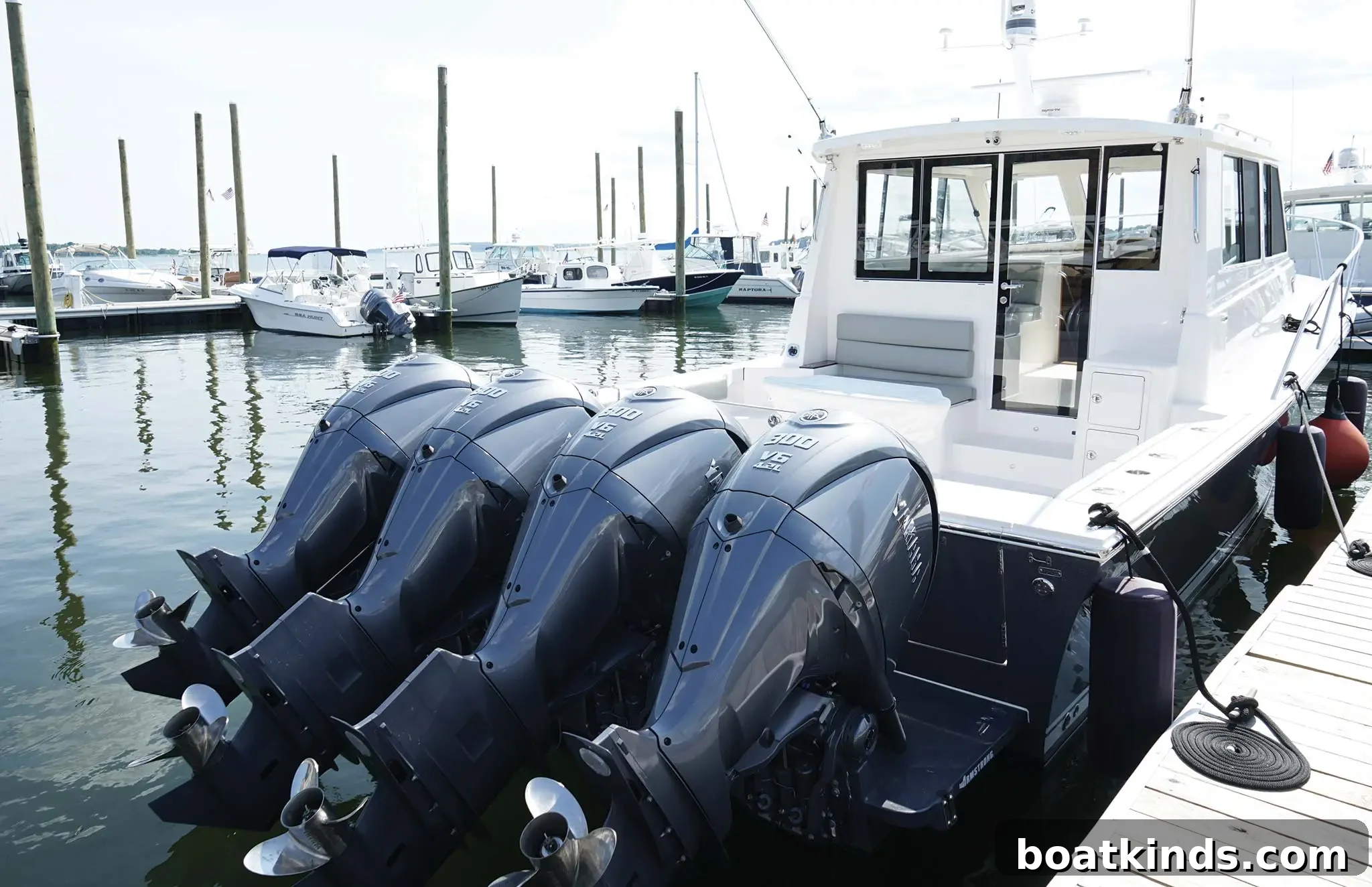
With a full complement aboard and seven hands on deck for our sea trial, the 415HT proved highly fishable. We ran a six-line daisy chain comfortably for much of the day. At cruising speed she provides a civilized, picnic-boat–like ride, yet with the athletic performance expected of a sporty offshore center console thanks to quad Yamaha 300-hp outboards.
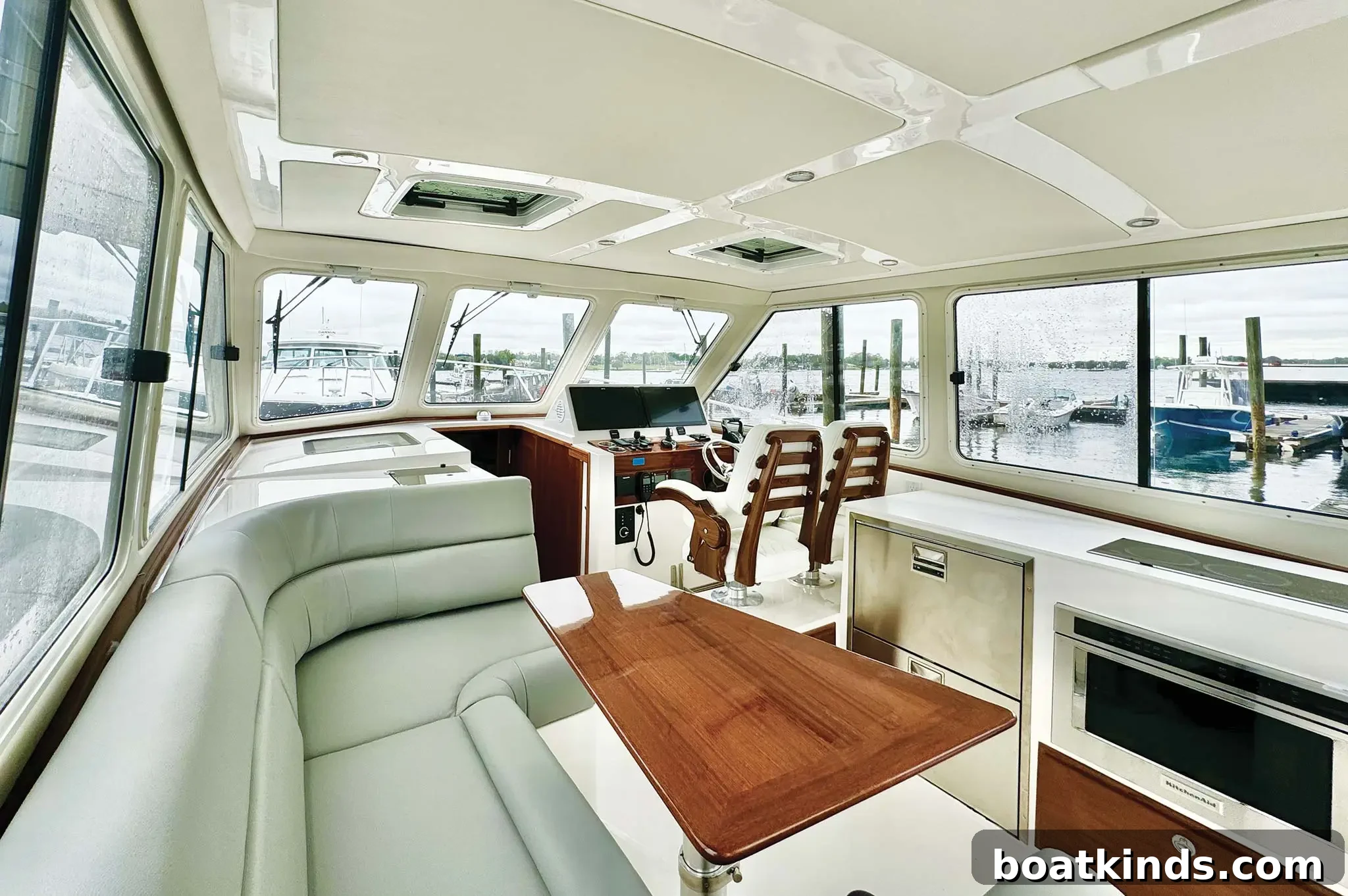
Joe, his wife Rosa (also a company employee), and his sons had evaluated other NorthCoast cabin models — the 235, 255, 285 and 315 — but the 415HT is a meaningful increase in LOA and capability. It’s a Downeast-style fishing boat with softened lines and a modern sensibility, positioned as a more economical, family-friendly alternative in the crowded 40-foot outboard sportfishing market. At about $1.08 million, the 415HT can cost as little as two-thirds of some competing boats with comparable power.
What sets the 415HT apart is its enclosed, air-conditioned cabin that sleeps six when you convert the galley settee — a comfort feature many buyers want in this segment. As with any first hull, there are details to refine. On Hull No. 1 the mezzanine bench is well-placed for watching the spread, but the aft bulkhead’s swing-out folding window blocks part of the seat when open; a retractable design would be more practical. The starboard galley is logically located, though upgraded appliances and a sturdier countertop would be welcome adjustments. These are the sorts of refinements the builder is likely to address on subsequent builds.
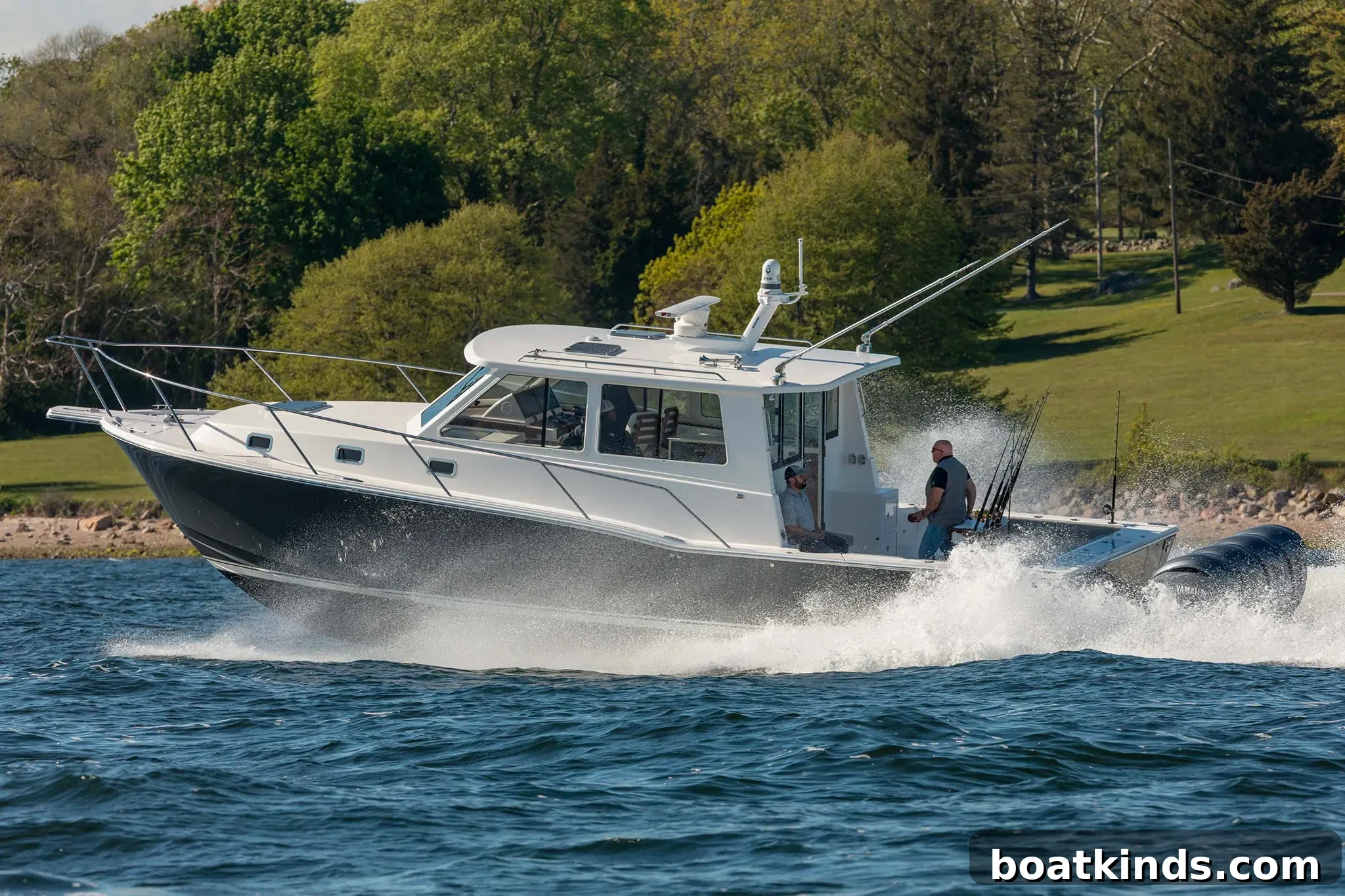
Measured performance is solid: the 415HT cruises at about 31 knots while burning roughly 40 gallons per hour. During our night run with a seven-person crew we reached 48 knots on a 40-mile run across a flat ocean — just shy of the boat’s claimed top speed — demonstrating the power and efficiency of the quartet of Yamaha 300s.
Electronics aboard included two 19-inch Raymarine Axiom 2XL MFDs: one running standard chartplotter functions and the other displaying AR200 Stabilization Augmented Reality. While not cutting-edge novelty, the augmented-reality overlay is useful when navigating busy harbors at night, dotted with unlit vessels, lobster pots and traps. The Seakeeper 4 gyro, which comes standard, quiets chop and improves ride comfort in confused waters.
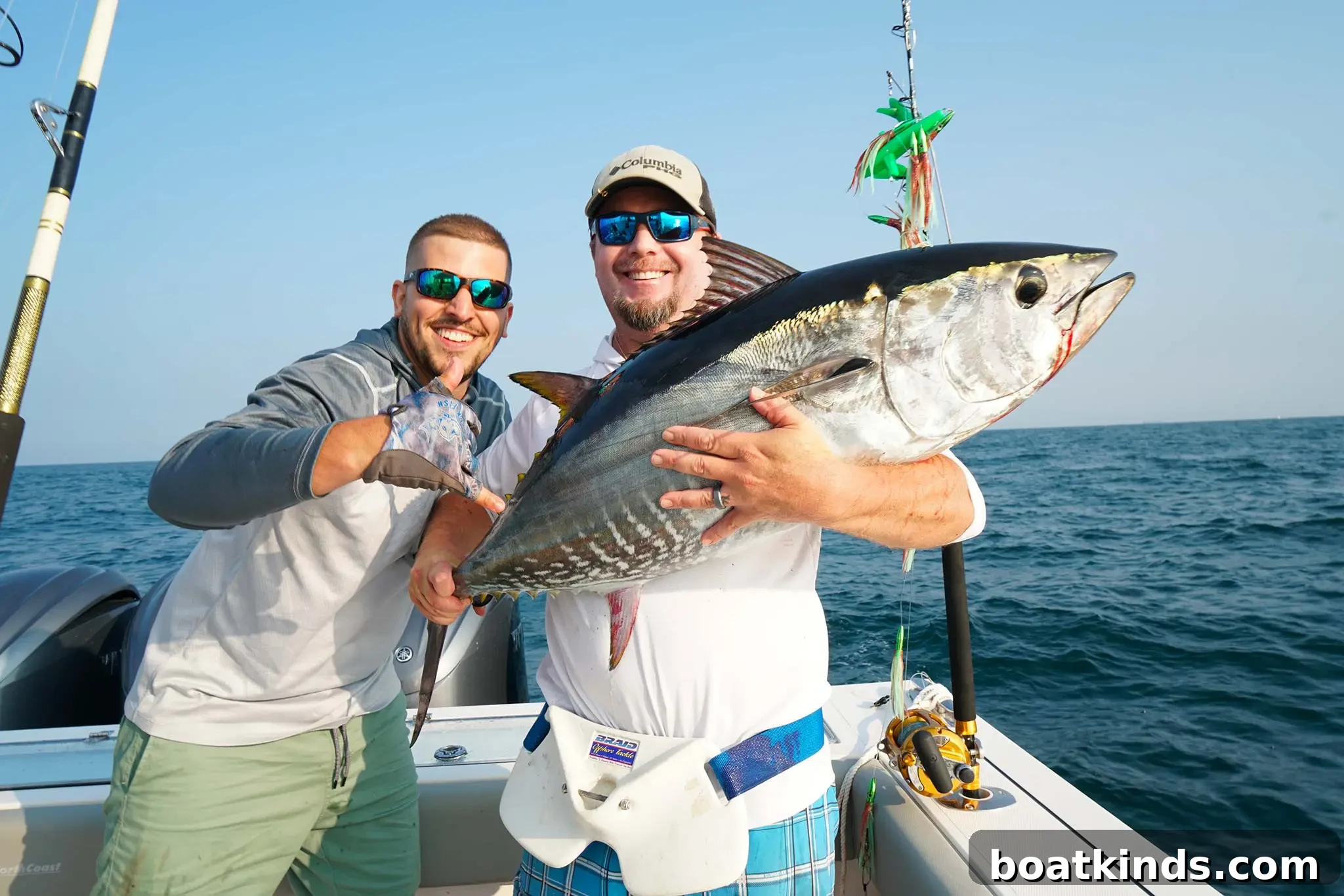
At first light Craig DaPonte eased off the throttle and our daisy-chain lines hit the water. The tuna grounds south of Block Island were busy, alive with boat wash, and within minutes of setting the spread we were hooked up. I landed a small bluefin — the first aboard the new boat — and spirits on deck relaxed for a moment. Bluefin often bite early and then shut down, so Gregg Weatherby, NorthCoast’s director of sales and marketing, was vindicated for rallying everyone for a 3 a.m. roll call.
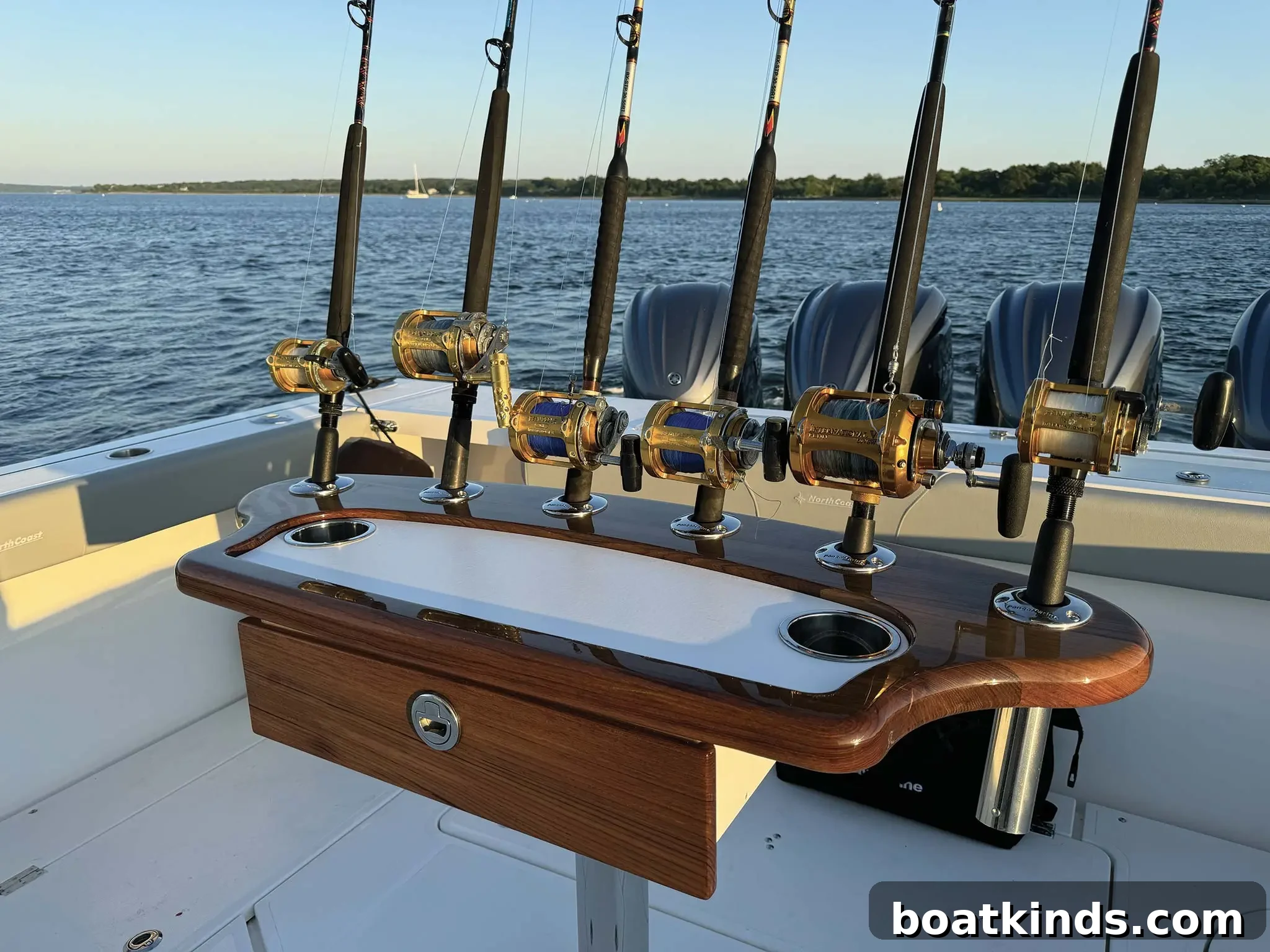
Not long after my fish hit the deck, another Penn International 50 began to scream and Joe joined the action. Despite building tuna-focused boats for decades, Joe admitted it had been more than 10 years since he’d caught a bluefin. He prefers inshore catches — sea bass, fluke, striped bass, tautog and scup — and enjoys the variety they provide on the table. His sons, however, have definitely caught the tuna bug and are already talking about even larger boats.
The bite eased as we tried jigging, but the grin on Joe’s face when his tuna came aboard the new flagship was unforgettable. There’s a special satisfaction in seeing a lifetime of work realized: the pride of a builder watching a boat perform as intended, and the thrill of a fisherman hauling in a prized fish.
LOA: 46’1”
Beam: 12’11”
Draft: 3’5”
Displacement: 24,701 lbs.
Fuel: 612 gals.
Water: 100 gals.
Power: (4) 300-hp Yamahas
February 2025