
Boating Accidents Drop in 2021: U.S. Coast Guard Reports Fewer Injuries and Fatalities
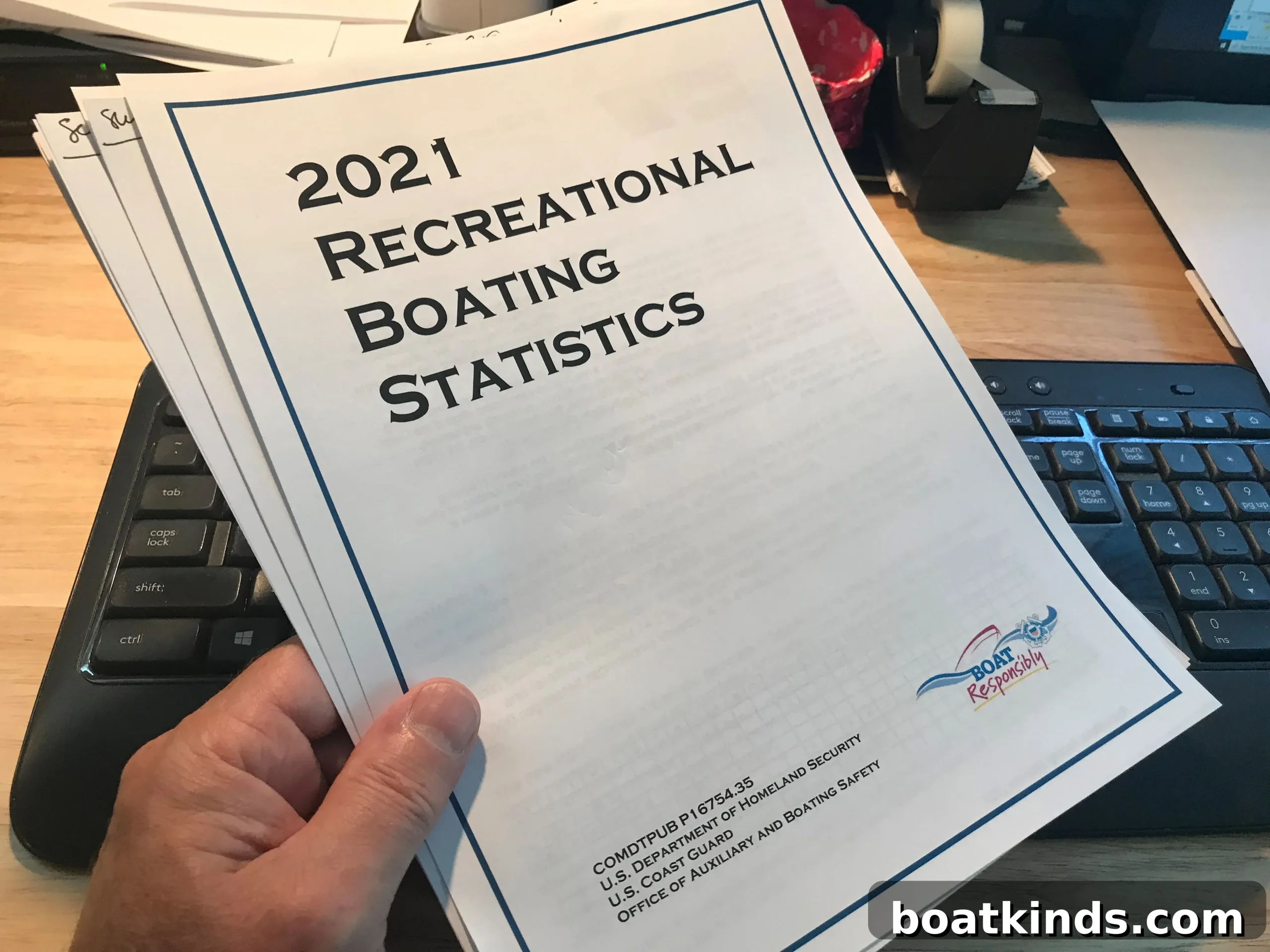
The surge in recreational boating during the pandemic led to more new boaters on the water and, with that, a rise in accidents and fatalities. Recent data from the U.S. Coast Guard’s 2021 Recreational Boating Statistics, however, offers encouraging news: overall boating accidents declined in 2021, along with injuries and fatalities.
Key 2021 Recreational Boating Statistics
According to the U.S. Coast Guard’s 2021 report, boating accidents decreased by 15.7 percent compared with the prior year. Injuries from recreational boating went down by 17.2 percent, and boating-related fatalities declined by 14.2 percent. The fatality rate improved as well, falling from 6.5 deaths per 100,000 people in 2020 to 5.5 deaths per 100,000 in 2021. These shifts represent a meaningful reversal of the earlier pandemic-era trend.
What Experts Are Saying
Chris Edmonston, president of the BoatUS Foundation, called the numbers “dramatic,” noting the substantial decrease in both injuries and fatalities. While optimistic about the direction of these statistics, Edmonston cautions that the underlying risk factors that contribute to accidents have not disappeared. He highlights operator inexperience as one of the leading causes of recreational boating incidents.
Top Risk Factors to Watch
Beyond inexperience, the report and boating safety experts identify several recurring contributors to accidents: operator inattention, failing to maintain a proper lookout, machinery or equipment failure, and excessive speed. These factors frequently interact—an inexperienced operator distracted at high speed with a mechanical problem and no clear lookout increases the chance of a serious incident. Addressing each of these areas remains central to improving safety on the water.
Education and Regulation: A Likely Factor in Improved Safety
One plausible explanation for the improved 2021 outcomes is the expanding number of states that now require boating safety education for operators. When boaters complete safety courses, they learn essential skills—navigation, collision avoidance, proper use of life jackets, and basic emergency procedures—that reduce accident risk. While not the only explanation, increased safety education appears correlated with fewer accidents and better overall safety statistics.
Paddlecraft and Kayak Safety Concerns
Paddlecraft operators, including kayakers and canoeists, typically face fewer formal education requirements than powerboat operators. The 2021 report shows that roughly 15 percent of boating deaths involved kayaks, a figure that remained consistent with the previous year. This highlights a continuing concern: while many jurisdictions focus on motorboat operator education, paddlecraft safety and training deserve additional attention to reduce preventable fatalities.
What Boaters Can Do to Stay Safe
Reducing boating accidents requires a combination of education, preparation, and responsible behavior on the water. Key actions for recreational boaters include:
- Complete a recognized boating safety course to build knowledge and confidence.
- Wear life jackets and ensure all passengers do the same, especially in small craft and paddlecraft.
- Maintain a proper lookout and avoid distractions while underway.
- Follow speed limits and reduce speed in congested or unfamiliar waters.
- Perform regular maintenance checks to prevent machinery failure and equipment issues.
- Understand local regulations and weather conditions before heading out.
Looking Ahead
While the 2021 U.S. Coast Guard data show a promising reduction in boating accidents, injuries, and fatalities, it is too early to know whether this marks a long-term trend. Continued focus on operator education, stronger safety practices, and attention to the specific needs of paddlecraft users can help maintain and improve these gains. For anyone who spends time on the water, staying informed and prepared remains the best way to protect lives and enjoy recreational boating safely.