
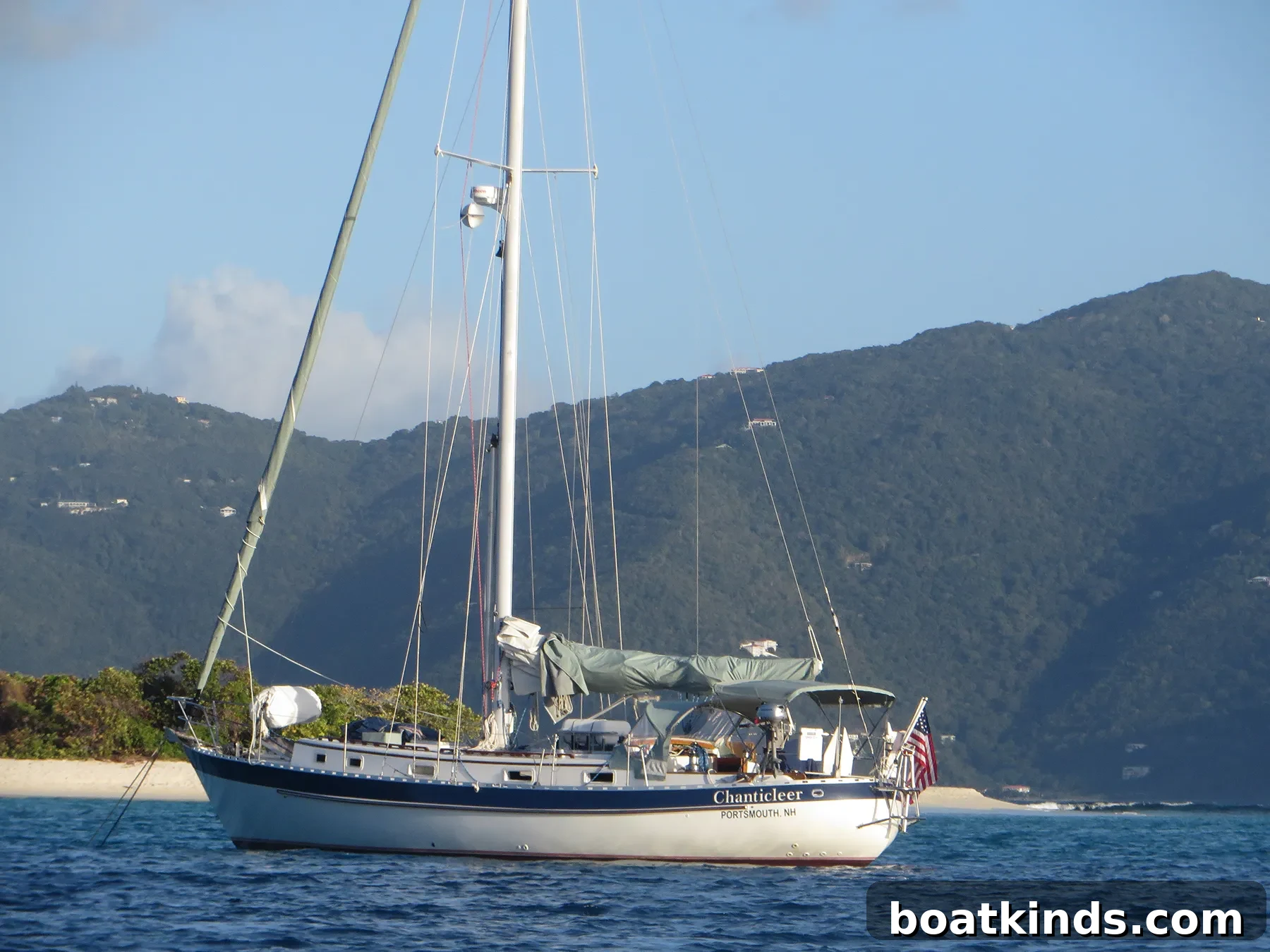
Setting out from Portsmouth, New Hampshire, in 2018, Jeff Bolster and his wife, Molly, hoped to circumnavigate on their Valiant 40. After port calls in the Caribbean, Panama, the Galapagos, French Polynesia, the Cook Islands and the Kingdom of Tonga, they were in New Zealand waiting for South Pacific cyclone season to end when COVID-19 broke out, interrupting their voyage. Dealt lemons, they made lemonade, cruising New Zealand’s northern coast for 19 months, until leaving their boat and flying back to the States. Jeff and Molly planned to return to the boat in November 2022. Jeff’s reflections on executing the voyage will appear in several installments; this is the first.
When we slipped our snow-dusted dock lines in November 2018 and pointed south, it felt like the moment we had been waiting for. For two decades we had balanced careers, parenting, mortgages and aging parents with summers aboard two different boats—weekend cruises, a delivery up the East Coast, and short Caribbean escapes. Enjoyable, yes, but not the life we had long imagined: living barefoot aboard, mornings and evenings shaped by the sea, and arriving at landfalls where volcanic islands rise raw out of the ocean. By late 2018 it was clear: it was now or never.
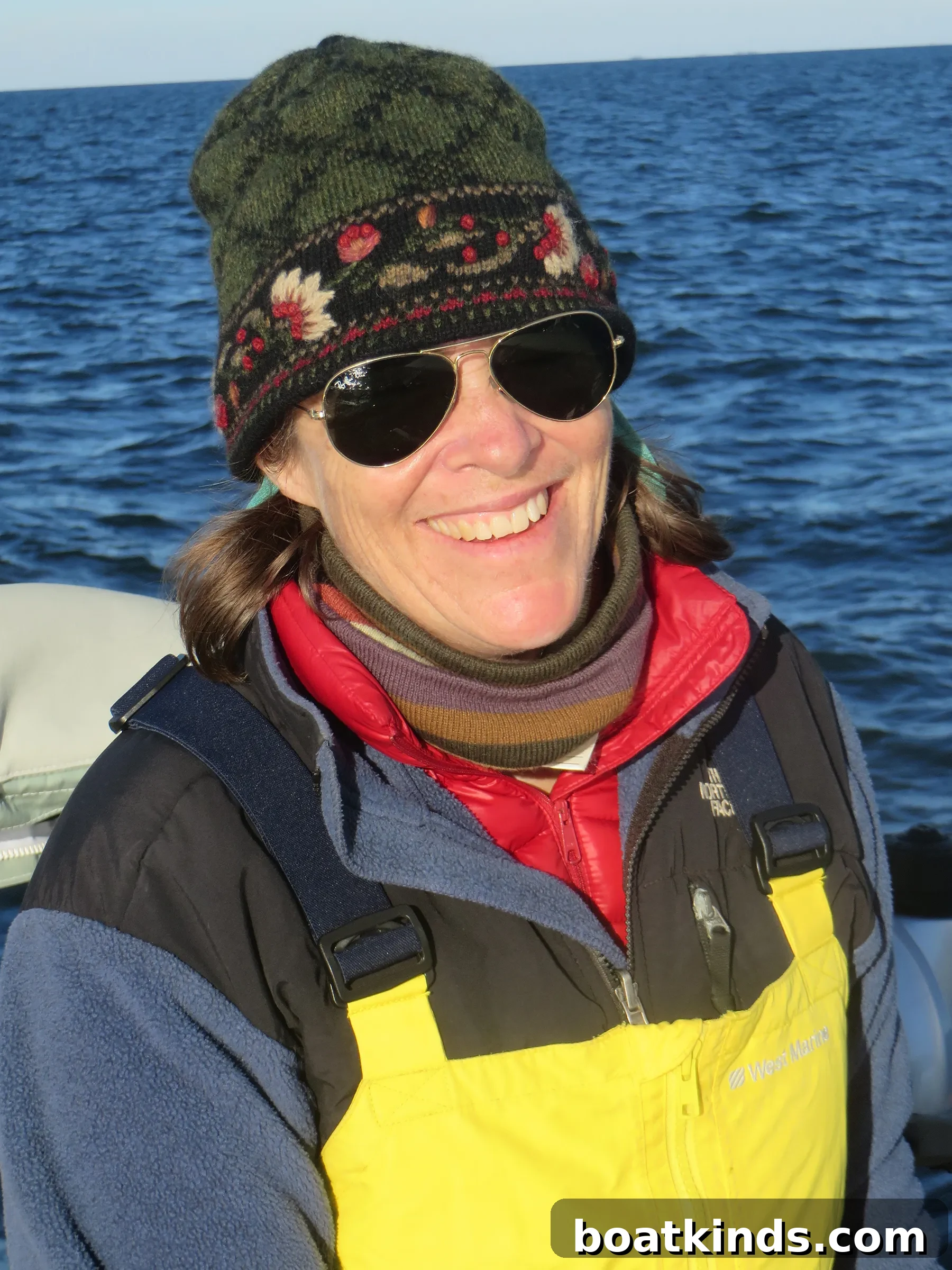
We left as a husband-and-wife team—me 64, Molly 57—determined to see the world under sail. We prepared the Valiant 40 carefully, set aside the careers, and shoved off while we still had the fitness to handle demanding passages. We expected beauty, quiet, and deep satisfaction—and we found all of that, plus more. Long-distance voyaging rewards with extraordinary highs, but it also tests your stamina and seamanship. On a small boat with just two people, every watch matters. If you’re serious about a global voyage, don’t postpone it indefinitely.
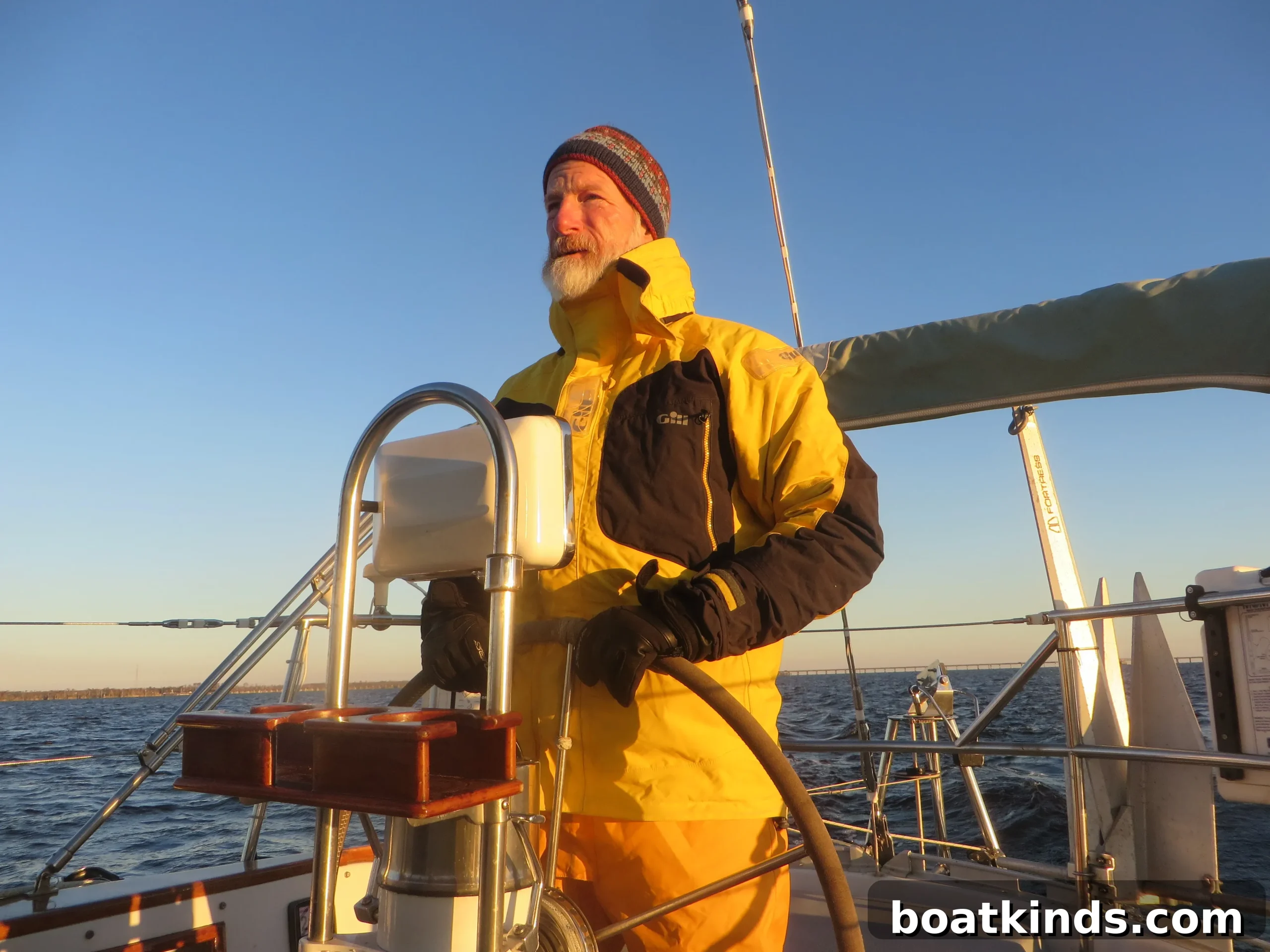
Our vision of circumnavigating included grand images—sailing through Bora Bora’s pass, dropping anchor in pristine lagoons, and following in the wake of explorers like Captain Cook. We imagined both wild nights where we’d hove to with the helm lashed and calm days feasting on mangos ashore. What we learned is that successful blue-water cruising requires a flexible, go-with-the-flow mindset. The highs—watching Waved Albatrosses in the Galapagos or catching a Green Flash at sunset—stand in sharp contrast to mundane but pressing problems: a stalled engine, a broken head, or the lack of a mechanic for a thousand miles. The magic is real, but so is the everyday maintenance of a self-reliant life at sea.
At key Pacific crossroads like the Galapagos and Tahiti we met a wide cross-section of cruisers. Their motives varied as widely as their nationalities. Some had built or extensively refitted their boats and derived satisfaction from systems and self-sufficiency. Others were driven purely by wanderlust, refugees from corporate life, or people determined to have one grand adventure later in life. Many of us were inspired originally by voyage narratives; reading accounts by others frequently precedes actually casting off your own dock lines.
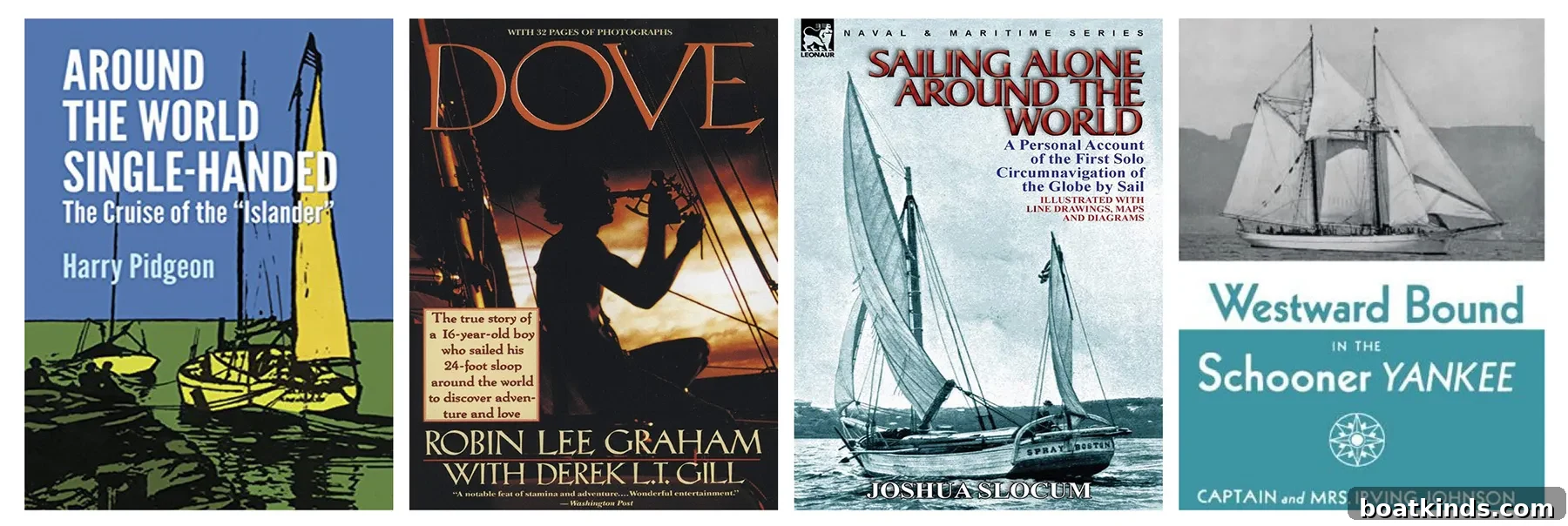
Molly and I grew up on these kinds of stories. She remembers poring over her grandfather’s shelf of circumnavigators; I was captivated by Joshua Slocum’s Sailing Alone Around the World and David Putnam’s David Goes to Greenland. Those books planted seeds that coastal cruises and offshore passages later nurtured. Years before crossing the Pacific we had already piloted historic vessels and logged many miles; the ocean had been calling for decades.
We also observed the range of boats people use to cross oceans. Most voyagers rely on sail, but capable powerboats are present as well. Eye-catching FPBs by Steve and Linda Dashew impressed us with long range, strong seakeeping and comforts unavailable on small sailboats. In New Zealand we spent time with the owner of a Nordhavn 52 who had crossed from Panama, a reminder that powerboaters must trust their propulsion as sailors trust rigs. In remote ocean stretches, search-and-rescue support is limited; self-reliance becomes essential for long-distance crews.
Cost is a practical reality. A well-equipped sailing yacht generally costs far less than a comparable long-range powerboat, even before factoring in fuel. Voyaging is costly; it is literally a pay-to-play pursuit. Yet the cruising community runs the socioeconomic gamut. Some live luxuriously afloat; others travel on tight budgets and are astonishingly resourceful. We met people who had traded promising careers for simple boats, extreme thrift, and hard-won freedom—eating rice and beans, refitting themselves and embracing a simpler life.
Not everyone we encountered was adequately prepared. A few boats and skippers were clearly out of their depth; a near-accident involving a young skipper falling overboard served as a sobering reminder of complacency’s consequences. On another occasion in Tonga a Kiwi couple admitted they had sailed 1,600 miles after buying a large catamaran without knowing whether a broken rope from mast to boom mattered. They had contacted the broker rather than a rigger. Such stories are cautionary, and while rare, they underline why training, systems knowledge, and sensible preparation matter.
With the right boat, prudent preparation, and experience built through coastal trips, long ocean passages are achievable. Spend time talking to seasoned cruisers, study technical manuals, and expect the unexpected—problems will arise, and being ready is part of the bargain. Equally important, keep feeding the imagination with classic and contemporary voyage accounts. Those stories spark dreams that can become the voyage of a lifetime.
This article was originally published in the October 2022 issue.