
In the wake of Superstorm Sandy, choosing a financially stable insurer and a well-prepared marina has become more important than ever. Changing weather patterns and stronger storms are increasing the risk to boats, so owners need to know how marinas prepare, what insurance actually covers, and how to minimize damage before a storm hits.
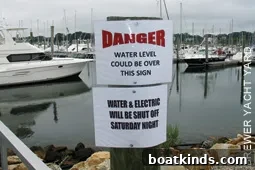
Global shifts in weather—more frequent tornadoes, higher tidal surges and extended droughts—are driving higher claims and rising insurance costs. Drought, for example, has contributed to a marked rise in groundings in the Great Lakes. Economic stress can also increase opportunistic losses, such as unexplained sinkings or fires, which ultimately drive premiums higher for everyone.
Choose the right marina

Not all marinas are equal when it comes to storm resilience. Larger operators with solid capital and centralized expertise can invest in sturdier docks, upgraded pilings, backup communications and more robust repair facilities. Brewer Yacht Yard Group, which manages multiple yards from Maine to New York, is an example of how scale and planning can benefit customers: coordinated resources, cross-yard repair capacity and centralized training help minimize downtime and speed recovery.
Well-run marinas prepare in several practical ways: hauling boats ahead of a storm when appropriate, securing slips and pilings, notifying customers with clear preparation instructions, restricting yard access for safety, and maintaining backup communication systems and generators. Experienced yard managers can often assess which boats in a mooring field are likely to survive a gale and which are at risk—checking cleats, chocks, mooring line condition, anchor scope and chafe protection.
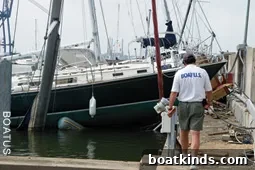
Investment in staff training also matters. Technicians certified to American Boat and Yacht Council (ABYC) standards and yards with a deep bench of certified mechanics can respond faster and perform higher-quality repairs. Marinas that work regularly with independent surveyors also help owners when insurance issues arise.
How marinas upgrade infrastructure
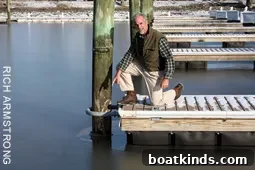
Modern marina upgrades focus on stronger pilings, more resilient dock hardware and wave attenuation. In many northeast locations, pilings have been lengthened and strengthened to handle greater tidal ranges and surge. Greenheart hardwood pilings, for example, are far more durable than treated domestic wood and resist rot and marine boring without chemical treatment. Batter piles—driven at opposing angles and bolted together—add structural redundancy and rarely fail when properly installed.
Hardware matters: replacing corroding chains and shackles with heavy galvanized pipe hoops that cradle pilings reduces slack and movement, cutting surge forces at the base. Wave attenuators—built of timber, concrete or steel and designed to extend deep enough to absorb energy—also reduce wave height and surge within mooring fields. In exposed locations, larger, heavier concrete floats on stronger pilings and strategically placed face piers can serve as both docking and wave-attenuation systems.
Proper boat hauling and blocking are essential. Yards in freezing climates use wide, sturdy blocking timbers, chain-secured stands and frequent checks to prevent stands from working loose during freezing-and-thaw cycles. When masts remain upright on land, crews must account for increased wind leverage on stands and secure boats accordingly.
Read and understand your insurance policy
Insurance underwriting considers operator experience, boat type, location and loss history. Discounts may be available for certified training, Coast Guard credentials or advanced courses. Insurers also examine whether an owner’s experience matches the vessel size and type; applicants moving from small boats to much larger cruisers may be declined without appropriate experience or qualifications.
Policyholders must read exclusions carefully. Many marina and boat policies exclude flood damage, and floating docks are often not covered under standard plans. Storm surges from events like Sandy produced extraordinary water levels that left many docks and shore-side boats with catastrophic electrical and structural damage that was not covered by standard policies.
Some insurers offer proactive haulout provisions: for instance, coverage that contributes to hauling costs if a hurricane watch or warning is issued. Deductibles can also vary by region and by the risk-mitigation steps owners take. In hurricane-prone areas deductibles are often higher unless owners haul their boats, lash them to ground anchors, remove canvas and otherwise reduce exposure. How a boat is moored and secured can directly affect coverage and out-of-pocket costs after a claim.
Lessons from Sandy: docks and totals
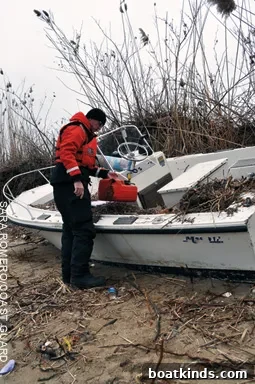
One primary lesson from Superstorm Sandy was that floating docks that break free from pilings were a leading cause of damage. In many cases, boats stored on land floated off their blocks during unprecedented surge, sometimes suffering worse damage than boats left in the water. Owners who took exceptional precautions—such as chaining boats to ground augers—demonstrated how proactive measures reduce loss risk.
Sandy damaged tens of thousands of boats, and a significant percentage were declared totals when repair costs approached or exceeded policy values. Salvage firms and yards responded rapidly, and the post-storm market saw increased demand from buyers and reconditioners. This surge in salvage activity can slow repairs for insured owners, push some older boats into total-loss pools, and tighten availability of repair resources.
Economics also impacts salvage and repair choices: when repair capacity is constrained, insurers may choose to total boats rather than fund lengthy, uncertain repairs. That dynamic can accelerate the culling of older vessels from the fleet, which may benefit newer boatbuilders and stabilize used-boat pricing over time.
Final takeaway: with storms becoming more severe and unpredictable, boat owners should be proactive—choose a marina with proven storm procedures and resilient infrastructure, read policies carefully so you know what’s covered, follow recommended preparation steps, and invest in sensible prevention. Thoughtful preparation and careful choices can significantly reduce exposure and improve recovery after extreme weather events.
March 2013 issue