
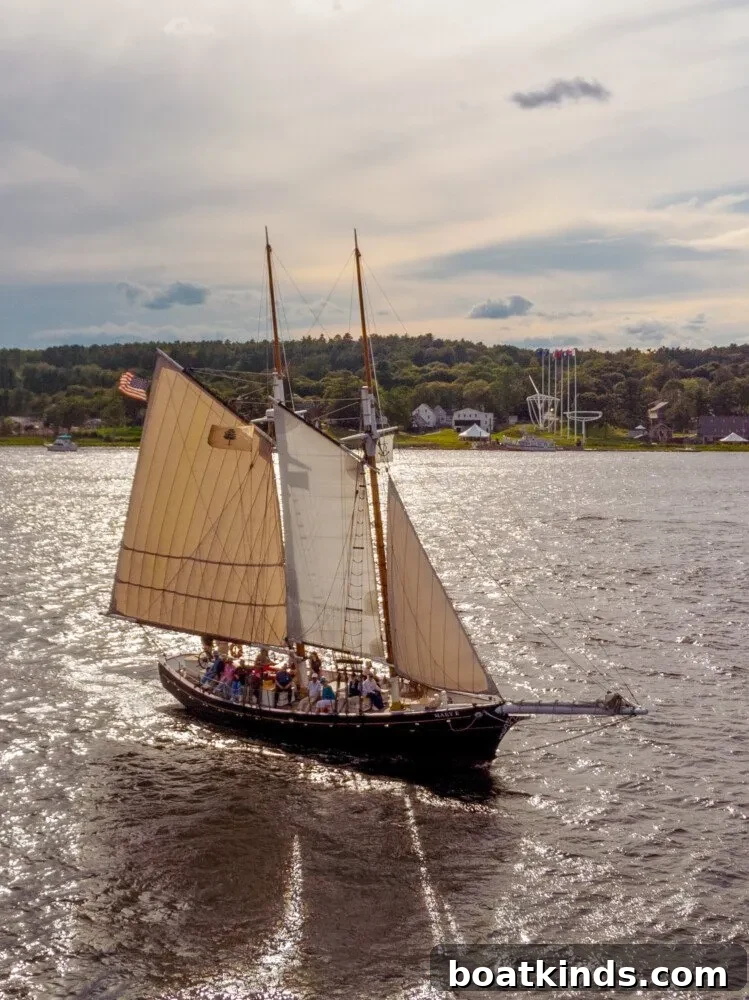
Rescue of Maine Maritime Museum Schooner Mary E After Capsize on Kennebec River
First responders and SeaTow crews are being credited with rescuing all passengers and crew after the 115-year-old Maine Maritime Museum schooner Mary E capsized in the Kennebec River near Bath on Friday. The incident sent some people into the water and prompted a coordinated emergency response from local and federal agencies.
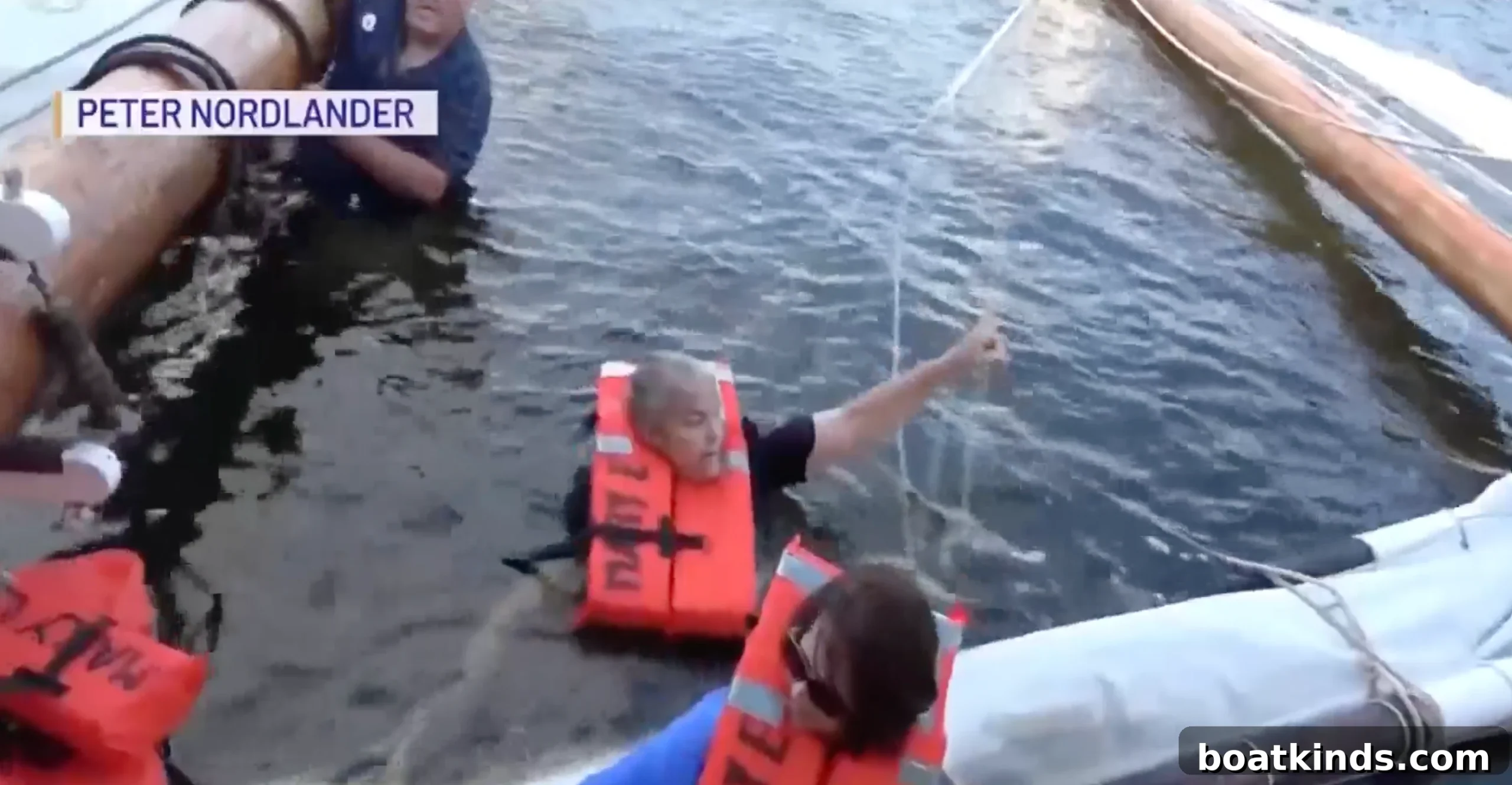
According to an eyewitness passenger, Dr. Peter Nordlander of Houston, Texas, conditions changed rapidly aboard the historic vessel. He said the wind rose suddenly and dramatically, and within moments he was handing out life jackets to people who were clinging to the ship’s masts in the water. Nordlander’s account highlights how quickly a recreational or educational sailing trip can turn dangerous when weather conditions shift.
Coordinated Response and Rescue
Responders from Bath police, fire and harbor patrol worked alongside SeaTow and the Coast Guard to bring everyone on board to safety. In total, all 18 occupants were rescued from the water or the vessel. Emergency crews provided immediate on-scene care, and three people were transported to area medical facilities for evaluation and treatment.
The rapid arrival and coordinated actions of multiple agencies were instrumental in preventing further harm. Local harbor patrol and fire units often have specialized training for marine incidents, and SeaTow’s towing and on-water support capabilities can be critical in stabilizing vessels and assisting people in the water. The Coast Guard provides additional search-and-rescue coordination and resources for incidents on navigable waters.
What Happened to the Schooner
After the rescue, crews worked to right the schooner. The Mary E was eventually returned to the dock at the Maine Maritime Museum. Bringing a vessel upright and back to a dock after a capsize requires careful handling to avoid further damage and to ensure the safety of recovery personnel. The museum and responding agencies will assess the schooner’s condition as part of the follow-up process.
Investigation Underway
The cause of the capsize is the subject of an investigation by the U.S. Coast Guard and the National Transportation Safety Board (NTSB). Both agencies typically examine factors such as weather conditions, vessel loading, sail configuration, crew actions, and equipment condition when determining the sequence of events that led to a maritime accident. Their findings will inform any recommendations to improve safety and help prevent similar incidents in the future.
Safety Considerations and Community Response
Incidents like this underscore the importance of weather awareness, proper safety equipment, and emergency preparedness on all types of vessels, especially historic and educational craft that carry passengers. Life jackets, emergency training for crew, and clear passenger briefings are essential elements of a safe outing on the water. The prompt actions by crew members, SeaTow personnel, and municipal and federal responders helped minimize injuries and ensured everyone on board was accounted for.
Local authorities, museum staff, and the maritime community are reviewing the event and supporting those affected. The museum is likely to coordinate with investigators and restoration specialists to determine next steps for the schooner and to communicate with the public about safety measures and timelines for any repairs or future operations.
Coverage and Eyewitness Accounts
Local media crews and bystanders captured footage of the capsize and the subsequent rescue, and interviews with passengers and responders have provided firsthand perspectives on the suddenness of the event and the rescue efforts. Eyewitness reports emphasize how quickly conditions changed and how essential the coordinated response was in bringing everyone to safety.
Officials have asked anyone with additional information or relevant video to share it with investigators to assist in determining the cause. The Coast Guard and NTSB will release findings when their work is complete, and those results will help guide any recommended changes for vessel operations, safety protocols, and public education around maritime activities.