
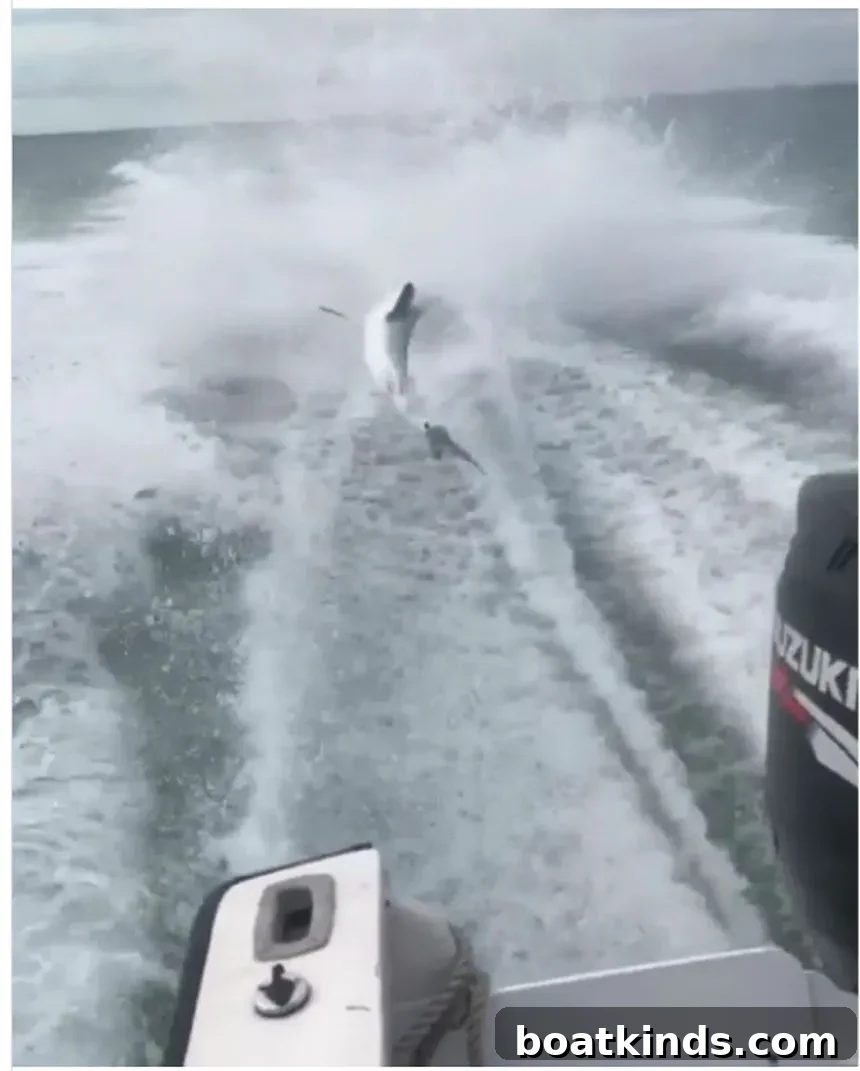
If viral videos could carry a scent, this one would have smelled like an out-of-control party at 3 a.m. When the footage circulated widely in July 2017, millions of viewers reacted with disgust and outrage. The video showed a group of men dragging a live shark by its tail behind a powerboat off the coast of Florida, and the public response was immediate and fierce.
What began as a viral clip of apparent shark cruelty escalated into a criminal case that prosecutors and animal protection advocates describe as extraordinary. Don Anthony, communications director for the Animal Rights Foundation of Florida, called the extent of the charges “unusual,” noting that authorities treated the incident far more seriously than typical marine-wildlife violations.
Local and national news outlets—from morning shows to major newspapers—used words like “horrifying,” “abuse,” and “torture” to describe the footage. In the video, the men laugh and smile while the shark twists and thrashes behind the boat until it dies. A public petition decried the behavior as “sociopathic” and drew roughly a quarter-million signatures, prompting officials to open a formal investigation.
Over the subsequent four months, investigators combed through social media and other records. According to reporting by the Tampa Bay Times, investigators reviewed more than 60,000 pages of material, including posts and messages from platforms such as Snapchat. The Florida Fish and Wildlife Conservation Commission (FWC), working with the Hillsborough County State Attorney’s Office, ultimately filed charges against three of the four men identified in the video.
In December, state prosecutors charged Floridians Michael Wenzel, 21; Robert Lee Benac, 28; and Spencer Heintz, 23, each with two counts of aggravated animal cruelty. Wenzel and Benac also face separate misdemeanor counts for using an illegal method to take wildlife. Under Florida law, the misdemeanor illegal-method-of-take counts carry a maximum penalty of 60 days in jail and a $500 fine. The aggravated animal cruelty charges are third-degree felonies, each carrying up to five years in prison and fines as high as $10,000—penalties comparable in severity to those for possession of controlled substances or aggravated assault on a person.
Andrew H. Warren, the state attorney for Florida’s 13th Circuit, condemned the conduct in a public statement when announcing the charges, calling it “the torture of our marine wildlife” and pledging to hold those responsible accountable. The case attracted statewide attention, with then-Governor Rick Scott describing the actions as “sickening.”
According to news reports, the men had been fishing out of Palmetto on June 26 with a spear gun and a .38-caliber revolver. Reporters say Benac first speared a blacknose shark—an act that violated Florida law—and later caught the six-foot blacktip shark shown in the video. Wenzel reportedly shot the blacktip in the head; after the shark continued to struggle and was entangled, Wenzel shot it three more times. Even so, the animal was still alive when the men tied its tail behind the boat and accelerated to see whether the vessel would plane while dragging the dying shark.
Florida wildlife officials told reporters they had rarely, if ever, seen this level of intentional cruelty inflicted on a marine animal. The severity of the conduct and the vividness of the video helped drive aggressive investigative and prosecutorial action, officials said.
The personal backgrounds of the men drew attention as well. Local reporting in the Bradenton Herald noted that Wenzel holds a commercial-fishing license. That coverage also reported prior minor offenses attributed to the men, such as underage drinking and nonviolent infractions. Benac, whose mother serves as a Manatee County commissioner, reportedly holds a recreational saltwater fishing license. Heintz is said to have a lifetime recreational fishing license and a record that includes minor boating violations.
This incident was not isolated: similar episodes in recent years prompted public outrage and regulatory scrutiny. In 2014, two men in Fort Lauderdale posed with an endangered hammerhead they had dragged ashore. In 2016, a man in Palm Beach hauled a thrashing shark onto the beach to pose for photos. In 2017 the FWC investigated a separate video that appeared to show beer being poured into a shark’s gills as it struggled to breathe. Those cases, together with the widely shared video in Tampa Bay, contributed to growing concern over deliberate mistreatment of sharks and other marine wildlife.
Advocates say the felony charges in the shark-dragging case should do more than punish the accused; they could serve as a deterrent and signal that such cruelty will be taken seriously. Don Anthony expressed hope that the public reaction marks a shift in attitudes toward sharks, from fear and hostility to recognition that these animals deserve protection. “This got so much publicity, and so many people were disgusted by it,” he said, noting that the response suggests broader public support for stronger protections for marine animals.
The case remains a notable example of how social media exposure, sustained public outrage, and persistent investigation can lead to serious legal consequences for animal cruelty. Authorities and advocates alike say they hope the attention will discourage future abuses and encourage greater respect for wildlife in Florida waters.
This article originally appeared in the March 2018 issue.